CRISPR: The Future of Gene Editing and Its Clinical Implications

In a groundbreaking development, CRISPR technology has become the frontrunner in genome editing, surpassing earlier methods like zinc finger nucleases and transcription activator-like effector nucleases. The recent approval by the FDA of the CRISPR-Cas9 drug, exa-cel, marks a significant milestone in clinical applications, particularly for treating sickle cell disease and transfusion-dependent beta thalassemia.
Advancements in CRISPR Technology CRISPR technology is diverse, with various methods tailored for specific applications. CRISPR-Cas9, derived from the immune system of Streptococcus pyogenes, acts as molecular scissors to cut DNA at precise locations. Other variants, such as CRISPR-Cas12 and CRISPR-Cas3, offer unique advantages, including shorter guide RNA requirements and extensive DNA removal capabilities, respectively. Meanwhile, CRISPR-Cas13 targets RNA, opening avenues for treating viral infections like influenza and SARS-CoV-2.
Clinical Trials and Therapeutic Potential The approval of exa-cel, developed by Vertex Pharmaceuticals and CRISPR Therapeutics, is based on promising phase 3 trial data, where a majority of patients with sickle cell disease and beta thalassemia showed significant improvement. Other companies, such as Editas Medicine and Beam Therapeutics, are also exploring CRISPR’s potential in treating these blood disorders through innovative approaches like base editing.
Beyond blood diseases, CRISPR is being trialed for urinary tract infections, hereditary transthyretin amyloidosis, and hereditary angioedema. For instance, Locus Biosciences is conducting trials using CRISPR-Cas3 to tackle antibiotic-resistant UTIs, while Intellia Therapeutics is pioneering therapies for genetic diseases using lipid nanoparticles for systemic delivery.
Expanding Horizons: Cardiovascular and Metabolic Diseases CRISPR’s application extends to cardiovascular diseases, with Verve Therapeutics testing gene editing treatments for familial hypercholesterolemia. In type 1 diabetes, CRISPR Therapeutics is exploring gene-edited pancreatic cells to potentially eliminate the need for lifelong immunosuppression.
Challenges and Ethical Considerations Despite these advancements, challenges remain, particularly concerning the high costs of CRISPR therapies and the regulatory frameworks required to ensure safety and efficacy. Ethical considerations, especially those involving heritable genetic changes, necessitate careful oversight.
As the landscape of gene editing evolves, the focus will be on making these transformative therapies accessible and affordable. The original article from Endocrinology Advisor provides a comprehensive overview of these developments, highlighting the potential of CRISPR to revolutionize medical treatments and improve human health outcomes.

More Articles

Getting licensed or staying ahead in your career can be a journey—but it doesn’t have to be overwhelming. Grab your favorite coffee or tea, take a moment to relax, and browse through our articles. Whether you’re just starting out or renewing your expertise, we’ve got tips, insights, and advice to keep you moving forward. Here’s to your success—one sip and one step at a time!

Revolutionizing Radiology: AI’s Impact on Diagnostics

AI-powered tools are enhancing the speed and accuracy of diagnoses, significantly benefiting patient outcomes, especially in resource-constrained environments.

By |November 26, 2024|Categories: Article, Artificial Intelligence, Healthcare|Tags: |0 Comments

Exploring the Shifting Landscape of Real Estate in 2024

The real estate market is undergoing significant transformations as we step into 2024, with several trends reshaping the industry. This analysis delves into the top nine trends that are expected to impact the real estate sector this year.

By |November 26, 2024|Categories: Article, Market Trends, Real Estate|Tags: , |0 Comments

AI Revolutionizing Clinical and Molecular Diagnostics

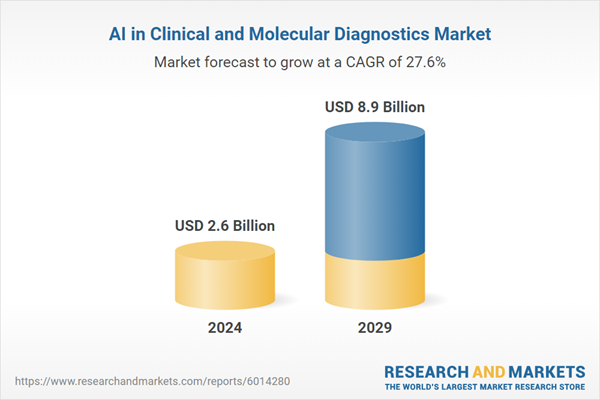
In a groundbreaking development, the market for AI in clinical and molecular diagnostics is set to experience a phenomenal growth trajectory, projected to skyrocket from USD 2.6 billion in 2024 to USD 8.9 billion by 2029 with a robust CAGR of 27.6%.

2025 Banking and Capital Markets Outlook: Navigating Low-Growth Challenges

The overarching goal for banks will be to adapt adeptly to macroeconomic shifts and regulatory implementations such as the Basel III Endgame re-proposal, which calls for strategic recalibration to ensure compliance without sacrificing growth.

CRISPR Technology Market Poised for Remarkable Growth to USD 12,461 Million by 2031

The CRISPR technology market, valued at USD 3,642.1 million in 2024, is anticipated to soar to USD 12,461 million by 2031, marking a robust CAGR of 19.2%.

By |November 25, 2024|Categories: Article, Biotechnology, Healthcare|Tags: , |0 Comments

Mortgage Rates Rise: A Window for Buyers Amid a Cloudy Future

Mortgage rates are climbing, with the 30-year fixed mortgage rate now at 6.64% and the 15-year fixed rate at 5.98%. This increase suggests a challenging landscape for potential refinancing, but a possible opportunity for homebuyers as competition wanes during the holiday season.


By |November 24, 2024|Categories: Article, Finance, Real Estate|Tags: , |0 Comments