In the unfolding saga of cryptocurrency regulation, 2025 marks a pivotal year as the United States grapples with the challenges of integrating digital assets into its legal framework. The National Law Review’s recent article, “Crypto in the Courts: Five Cases Reshaping Digital Asset Regulation in 2025,” highlights five landmark cases that could redefine the landscape of digital asset regulation.

The legal battles are centered around the application of the Howey test, a longstanding legal precedent used to determine whether certain transactions qualify as investment contracts. This test is at the heart of the SEC v. Ripple Labs, Inc. case, where the SEC has accused Ripple of conducting unregistered securities offerings through the sale of XRP tokens. The district court’s decision to distinguish between institutional and programmatic sales of XRP could significantly impact the SEC’s enforcement strategy.

In a parallel development, the SEC v. Coinbase, Inc. case challenges the SEC’s authority over digital asset exchanges. The court’s certification for interlocutory appeal allows the Second Circuit to address the application of the Howey test to secondary market transactions, a critical issue that could reshape the regulatory obligations of trading platforms.

Meanwhile, the blockchain industry is pushing back against new IRS regulations through the Blockchain Association v. IRS case. The plaintiffs argue that the Treasury’s expanded definition of “broker” exceeds statutory authority, posing existential threats to DeFi participants who may find compliance impractical or impossible.

Adding to the complexity, Bitnomial Exchange, LLC v. SEC represents a direct challenge to the SEC’s oversight of cryptoasset security futures. The outcome of this case could determine the jurisdictional boundaries between the SEC and the CFTC, affecting how digital asset futures are traded in the U.S.

Lastly, the collective lawsuit Kentucky et al. v. SEC brings together 18 states in a challenge against the SEC’s regulatory reach over digital asset trading platforms. This case underscores the tension between federal and state regulatory frameworks, with states arguing that the SEC’s approach undermines their tailored crypto regulations.

These cases are unfolding against a backdrop of anticipated regulatory shifts under the Trump administration, which has signaled a more pro-crypto stance. President Donald Trump’s nomination of Paul Atkins as the next SEC chairperson reflects a strategic pivot towards innovation-friendly policies. As these legal battles progress, they promise to define the future of digital asset regulation in the United States.

For more detailed insights, you can read the full article on the National Law Review website.

More Articles

Getting licensed or staying ahead in your career can be a journey—but it doesn’t have to be overwhelming. Grab your favorite coffee or tea, take a moment to relax, and browse through our articles. Whether you’re just starting out or renewing your expertise, we’ve got tips, insights, and advice to keep you moving forward. Here’s to your success—one sip and one step at a time!

The Digital Healthcare Revolution: Transforming Patient Care with Technology

The global digital health market is set to skyrocket, with projections estimating it will reach $551.09 billion by 2027. This growth is fueled by innovations that are setting new benchmarks in healthcare delivery.

By |November 28, 2024|Categories: Article, Healthcare, Technology|Tags: , |0 Comments

University of Pennsylvania Pioneers the Planetary Health Curriculum

This innovative program equips medical students with the knowledge to understand and mitigate the effects of climate change on human health.

The Deep-Learning Triple Threat Transforming Medical Imaging

AI is being hailed as a "triple threat" in radiology, impacting planning, scanning, and diagnosis. As detailed in a recent column by Kelly Londy of GE HealthCare, these intelligent imaging systems are ushering in seismic changes reminiscent of the transformative impact of computer-assisted tomography in the late 20th century.

Federal Reserve’s Interest Rate Cut: Implications for the Housing Market

In a significant move that has captured the attention of economists and homebuyers alike, the Federal Reserve recently announced a half-percentage-point cut in interest rates. This decision is poised to bring about notable changes in the housing market, though not all effects may be beneficial for prospective homeowners.

By |November 27, 2024|Categories: Article, Economics, Real Estate|Tags: , |0 Comments

Public Perceptions of AI in Healthcare: A Balancing Act Between Innovation and Ethics

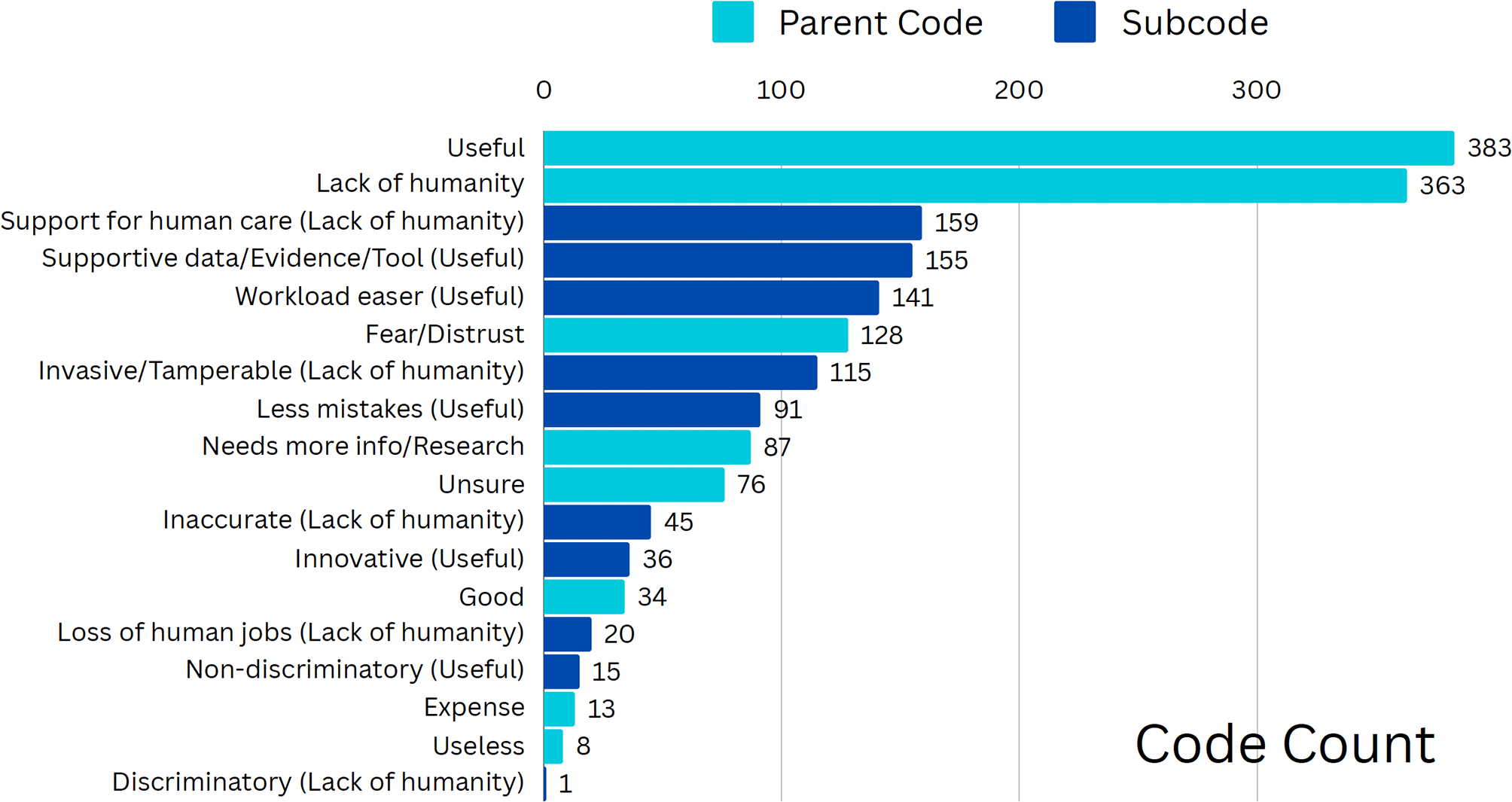
In the rapidly evolving landscape of healthcare, the integration of artificial intelligence (AI) stands as a beacon of both promise and concern. The research underscores a significant tension: while AI has the capability to enhance healthcare delivery, there is palpable unease about its impact on the traditional physician-patient relationship.

By |November 27, 2024|Categories: Article, Ethics, Healthcare|Tags: , |0 Comments

The Ethical Dilemmas of AI: A Modern Conundrum

As artificial intelligence (AI) technology advances, it presents a myriad of ethical dilemmas and challenges that demand urgent attention. The USC Annenberg School for Communication and Journalism recently explored these pressing issues, highlighting the complexities involved in AI's deployment.

By |November 27, 2024|Categories: Article, Ethics, Technology|Tags: , |0 Comments