Cryptocurrencies: A New Era in Finance

In a little over a decade, cryptocurrencies have evolved from digital curiosities to trillion-dollar technologies with the potential to transform the global financial landscape. These digital assets, like Bitcoin and Ethereum, are not just reshaping how we perceive money but are also challenging traditional financial institutions.
Proponents argue that cryptocurrencies democratize finance by decentralizing money creation and control, taking power away from central banks and Wall Street. Yet, critics warn that these digital currencies can empower criminal organizations and rogue states, exacerbate inequality, and consume vast amounts of electricity. The debate is intense, with 130 countries, including the United States, considering their own central bank digital currencies (CBDCs) to counter the cryptocurrency boom.

Understanding Cryptocurrencies

Cryptocurrencies are digital or virtual currencies that use cryptography for security. They operate on decentralized networks based on blockchain technology—a distributed ledger enforced by a network of computers. Bitcoin, launched in 2009 by the enigmatic Satoshi Nakamoto, is the most well-known, with a market capitalization once exceeding $1 trillion.
Transactions are recorded on a blockchain, providing transparency and security. This system eliminates the need for intermediaries like banks, offering a degree of anonymity. However, if a wallet owner’s identity is revealed, their transactions can be traced.

The Popularity Surge

Once a niche interest, cryptocurrencies have captured mainstream attention. Their appeal lies in their decentralized nature, allowing for quick and anonymous transfers without bank fees. In countries with unstable currencies, like El Salvador, Bitcoin has even become legal tender.
Despite their potential, cryptocurrencies are volatile. Their value can fluctuate wildly, limiting their use as a stable means of transaction. Stablecoins, pegged to traditional currencies, offer more stability but have faced their own challenges.

Challenges and Controversies

Cryptocurrencies pose significant challenges, including concerns about illicit activities, environmental impact, and regulatory uncertainties. Cybercriminals often demand ransom payments in cryptocurrency, and the energy-intensive process of Bitcoin mining raises environmental concerns.
Regulatory responses vary globally. While some countries embrace digital currencies, others, like China, have imposed bans. The U.S. is cautiously crafting rules, with the SEC likening the sector to a “Wild West” and calling for stronger regulations.

The Future with CBDCs

In response to the rise of cryptocurrencies, many central banks are exploring CBDCs. These digital currencies promise the benefits of cryptocurrencies without the associated risks. However, their implementation could centralize power and data, raising privacy and cybersecurity concerns.
As the world navigates this financial evolution, the balance between innovation and regulation will be crucial. The journey of cryptocurrencies and digital currencies continues to unfold, reshaping the future of money.

More Articles

Getting licensed or staying ahead in your career can be a journey—but it doesn’t have to be overwhelming. Grab your favorite coffee or tea, take a moment to relax, and browse through our articles. Whether you’re just starting out or renewing your expertise, we’ve got tips, insights, and advice to keep you moving forward. Here’s to your success—one sip and one step at a time!

Judge Blocks Class Status in Major Commission Lawsuit, Shaking Up the Real Estate Industry

A federal judge has denied class‑certification in the high‑stakes Batton commission lawsuit, delivering a temporary win for NAR and major brokerages while leaving the door open for plaintiffs to try again. With as much as $3.6 billion in potential damages on the line and nearly 80% of the proposed class now disqualified due to conflicts with earlier settlements, the case stands at a pivotal moment. Real estate professionals nationwide — especially in Florida — should watch closely, as the ruling could shape the future of buyer‑agent compensation.

Florida Homeowners Hit Hard by Skyrocketing Insurance Rates as Lawmakers Race Toward Reform

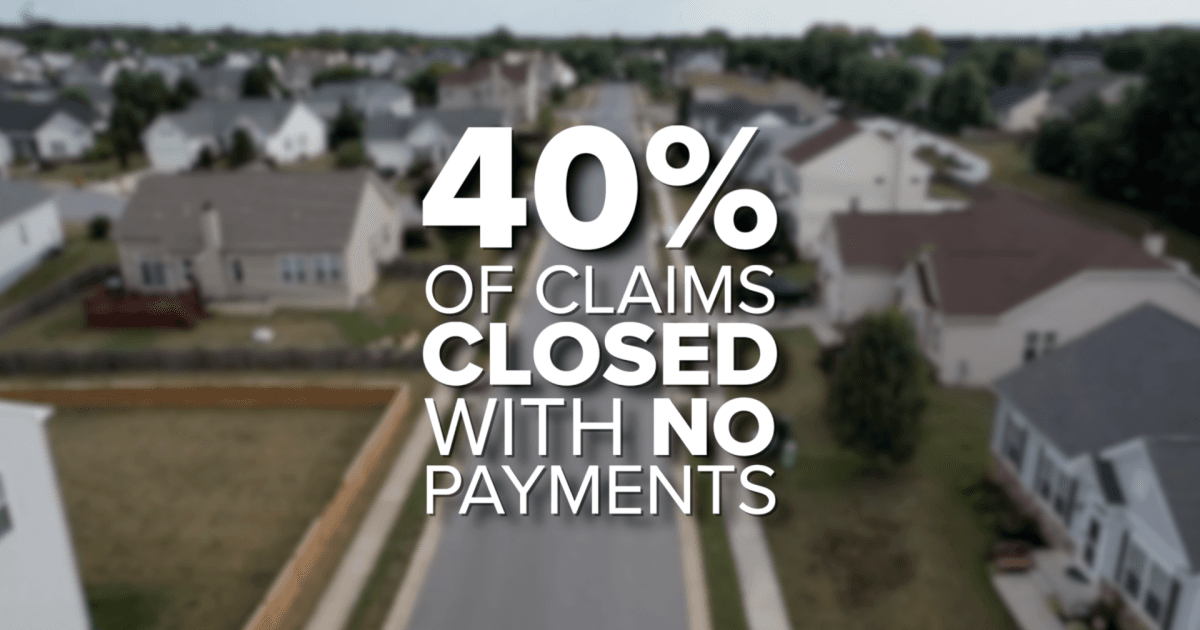
Florida homeowners are paying nearly double the national average for insurance, with premiums now reaching $5,838 a year and denied claims topping 40 percent. Residents report tripled rates, underpaid claims, and mounting financial strain, pushing lawmakers in Tallahassee to propose caps on rate hikes, tax breaks for storm‑proof upgrades, and tighter oversight of insurers. These developments are reshaping real estate and insurance conversations across the state as professionals brace for major industry shifts.

Inside Berkshire County’s Surging 2025 Real Estate Market: Q3 Deep Dive

Berkshire County closed Q3 2025 with strong momentum as sales, dollar volume, and buyer competition all climbed year‑over‑year. Inventory showed slight improvement but remains far below demand, keeping the market tilted toward sellers. Single‑family homes and condos led the surge, while multifamily, land, and commercial sectors showed mixed performance. The region continues to stand out as one of New England’s most resilient real estate markets heading into 2026.

Florida Homeowners Are Reaching a Breaking Point as Insurance Costs Skyrocket

Florida homeowners now face the highest insurance burdens in the nation, with average premiums topping $5,800 per year—roughly $3,000 above the national average. As rates triple for some residents, more Floridians are skipping coverage altogether, while denied claims and slow payouts add to the frustration. With over 40 percent of claims closing with no payment and lawmakers battling over reform in Tallahassee, the crisis is reshaping budgets, homebuying decisions, and the real estate industry statewide.

How Global Investors Are Rewriting the Real Estate Playbook for 2026

Global capital is surging back into real estate—and this time, investors want more control. Colliers’ 2026 Global Investor Outlook reveals a major shift toward direct investments, joint ventures, and hands‑on strategies as money moves across North America, Europe, and the booming Asia‑Pacific markets. Data centers are now the top‑funded asset class, offices are staging a comeback, and adaptive reuse is reshaping cities worldwide. For real estate and finance professionals, the message is clear: opportunity is accelerating, and those with the right education and licensing will be at the center of the action.

Why Lower Interest Rates Still Aren’t Saving Commercial Real Estate

The Fed’s recent rate cuts should have offered relief to commercial real estate—but long-term borrowing costs haven’t budged. While short‑term rates are falling, stubborn long‑term yields, broken deal math, and a trillion‑dollar refinancing wave are keeping the market frozen. For investors and professionals across Florida and the nation, understanding this disconnect is key to navigating the opportunities and risks emerging in today’s shifting CRE landscape.