Cryptocurrencies have emerged as a groundbreaking innovation in the financial landscape, offering a decentralized alternative to traditional currencies. These digital or virtual currencies are secured by cryptography, which makes them resistant to fraud and double-spending. They operate on decentralized networks using blockchain technology, a distributed ledger enforced by a network of computers. This system provides both advantages and challenges, as detailed in a recent Investopedia article.
Understanding the Basics
At the core of cryptocurrencies is the concept of decentralization. Unlike traditional currencies, they are not issued by any central authority, making them theoretically immune to government interference. This decentralized structure allows for faster and cheaper transactions, as it eliminates the need for third-party intermediaries like banks.
Blockchain technology is central to the functionality of cryptocurrencies. It consists of a series of connected blocks of information, each containing a set of transactions that are independently verified by a network of validators. This makes it nearly impossible to forge transaction histories, as the contents must be agreed upon by a network of computers.
Types of Cryptocurrency
There are various types of cryptocurrencies, each serving different purposes. For example, Ethereum’s ether is used for validating transactions on its blockchain. Other types include transactional tokens like Bitcoin, governance tokens like Uniswap, and security tokens representing ownership of assets.
Investing in Cryptocurrency
Investing in cryptocurrencies requires careful consideration due to their inherent risks. While they offer potential for high returns, they are also known for their volatility and regulatory ambiguity. Investors can purchase cryptocurrencies through exchanges or invest in crypto ETFs, which provide exposure to the asset class without the need for a digital wallet.
The legal status of cryptocurrencies varies worldwide. In the United States, they are considered securities when purchased by institutional buyers but not by retail investors. In Asia, countries like Japan recognize Bitcoin as legal property, while China has banned cryptocurrency exchanges and transactions.
Advantages and Disadvantages
Cryptocurrencies offer several advantages, including the removal of single points of failure, easier fund transfers, and the elimination of third-party intermediaries. However, they also pose challenges such as pseudonymous transactions, which can be used for criminal activities, and high energy consumption for mining.
Despite these challenges, cryptocurrencies continue to gain popularity, with a total market capitalization reaching trillions of dollars. As digital assets, they appeal to those interested in speculative investments, but they require a cautious approach due to the risks involved.
The Bottom Line Cryptocurrencies represent a new financial paradigm, offering both opportunities and challenges. While they have the potential to disrupt various industries, they also require investors to understand the risks involved. As highlighted in the original article, it is crucial for investors to approach this innovative technology with caution and awareness of its potential and limitations.
More Articles
Getting licensed or staying ahead in your career can be a journey—but it doesn’t have to be overwhelming. Grab your favorite coffee or tea, take a moment to relax, and browse through our articles. Whether you’re just starting out or renewing your expertise, we’ve got tips, insights, and advice to keep you moving forward. Here’s to your success—one sip and one step at a time!
In the fast-evolving world of insurance, a transformative shift is underway, driven by the development of customer-centric ecosystems. As highlighted in a comprehensive study by EY, insurance ecosystems are reshaping the industry by focusing on customer engagement, trust, and operational excellence.
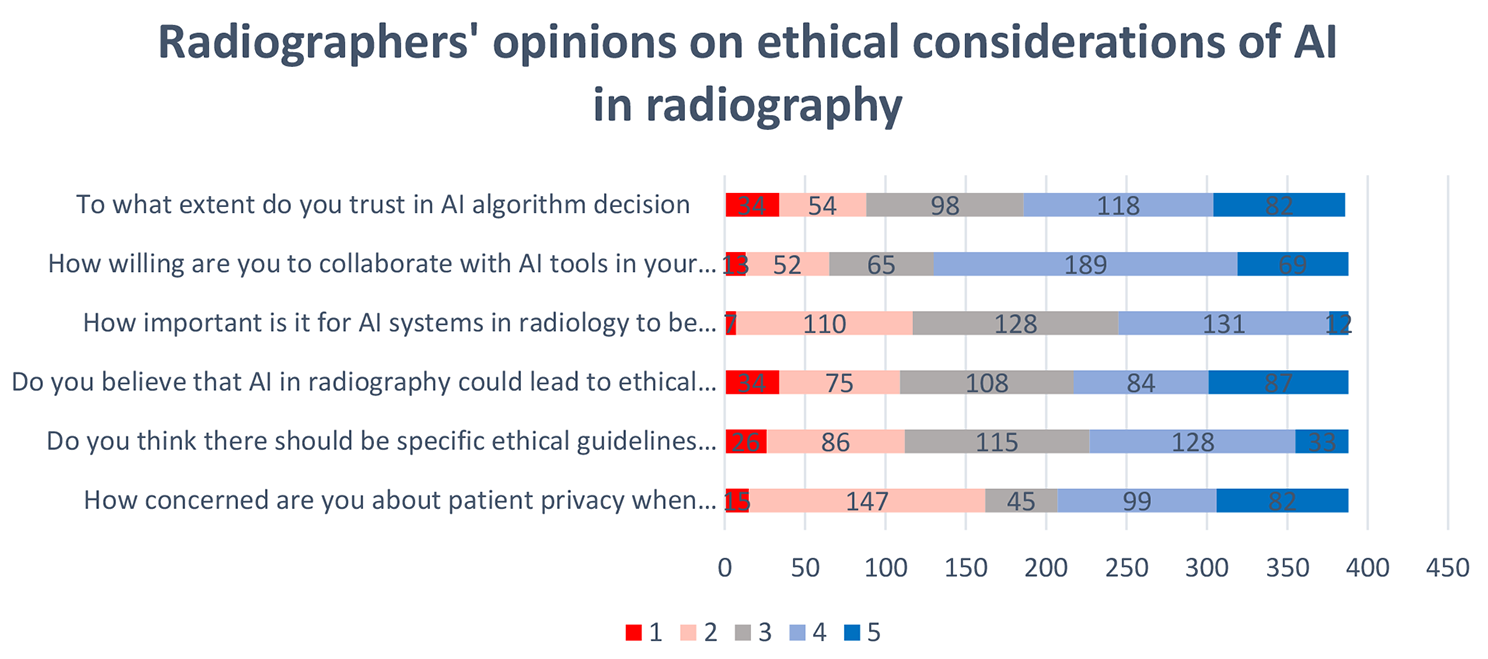
The integration of artificial intelligence in radiography brings a host of ethical challenges that demand careful consideration. A recent study highlights the diverse perspectives of radiographers, revealing significant knowledge gaps and varying trust levels in AI-driven decisions. Concerns over patient privacy and the need for dedicated ethical guidelines are pivotal as healthcare embraces AI.
AI tools are already delivering significant value and are poised to further transform healthcare. Embracing these changes today will position organizations and individuals to capture the long-term benefits of a more effective, efficient, and personalized healthcare system.
AI in pathology is revolutionizing the field by enhancing the analysis of clinical data, genomic information, and disease progression. These advancements are not only streamlining personalized treatment plans but also optimizing healthcare resource allocation.
In an era where data reigns supreme, the integration of artificial intelligence (AI) and machine learning (ML) into the realm of precision medicine is not just a possibility but a burgeoning reality.

:max_bytes(150000):strip_icc()/TermDefinitions_crypto_final-940e93a6cb5341999a5d735fbf04fbfe.png "Cryptocurrency: A New Financial Frontier 2")