Cryptocurrencies have emerged as a groundbreaking innovation in the financial landscape, offering a decentralized alternative to traditional currencies. These digital or virtual currencies are secured by cryptography, which makes them resistant to fraud and double-spending. They operate on decentralized networks using blockchain technology, a distributed ledger enforced by a network of computers. This system provides both advantages and challenges, as detailed in a recent Investopedia article.
Understanding the Basics
At the core of cryptocurrencies is the concept of decentralization. Unlike traditional currencies, they are not issued by any central authority, making them theoretically immune to government interference. This decentralized structure allows for faster and cheaper transactions, as it eliminates the need for third-party intermediaries like banks.
Blockchain technology is central to the functionality of cryptocurrencies. It consists of a series of connected blocks of information, each containing a set of transactions that are independently verified by a network of validators. This makes it nearly impossible to forge transaction histories, as the contents must be agreed upon by a network of computers.
Types of Cryptocurrency
There are various types of cryptocurrencies, each serving different purposes. For example, Ethereum’s ether is used for validating transactions on its blockchain. Other types include transactional tokens like Bitcoin, governance tokens like Uniswap, and security tokens representing ownership of assets.
Investing in Cryptocurrency
Investing in cryptocurrencies requires careful consideration due to their inherent risks. While they offer potential for high returns, they are also known for their volatility and regulatory ambiguity. Investors can purchase cryptocurrencies through exchanges or invest in crypto ETFs, which provide exposure to the asset class without the need for a digital wallet.
The legal status of cryptocurrencies varies worldwide. In the United States, they are considered securities when purchased by institutional buyers but not by retail investors. In Asia, countries like Japan recognize Bitcoin as legal property, while China has banned cryptocurrency exchanges and transactions.
Advantages and Disadvantages
Cryptocurrencies offer several advantages, including the removal of single points of failure, easier fund transfers, and the elimination of third-party intermediaries. However, they also pose challenges such as pseudonymous transactions, which can be used for criminal activities, and high energy consumption for mining.
Despite these challenges, cryptocurrencies continue to gain popularity, with a total market capitalization reaching trillions of dollars. As digital assets, they appeal to those interested in speculative investments, but they require a cautious approach due to the risks involved.
The Bottom Line Cryptocurrencies represent a new financial paradigm, offering both opportunities and challenges. While they have the potential to disrupt various industries, they also require investors to understand the risks involved. As highlighted in the original article, it is crucial for investors to approach this innovative technology with caution and awareness of its potential and limitations.
More Articles
Getting licensed or staying ahead in your career can be a journey—but it doesn’t have to be overwhelming. Grab your favorite coffee or tea, take a moment to relax, and browse through our articles. Whether you’re just starting out or renewing your expertise, we’ve got tips, insights, and advice to keep you moving forward. Here’s to your success—one sip and one step at a time!
The title insurance industry is entering 2026 with a renewed focus on technology, operational efficiency, and stronger agent support after years of volatility. Leaders from major underwriters report rising transaction activity, improved affordability, and a surge in automation and fraud‑prevention tools—signs that smarter systems and better training will define the next wave of growth.
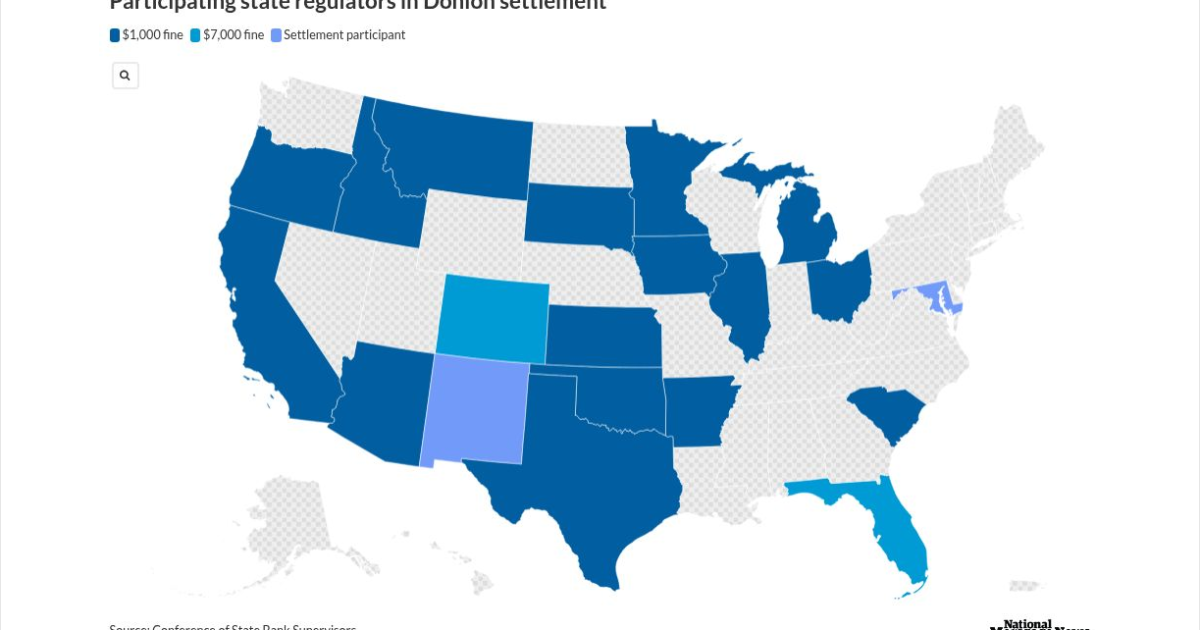
A multistate crackdown has sent shockwaves through the mortgage industry as Patrick Terrance Donlon, CEO of Trusted American Mortgage, accepted a sweeping settlement that bans him from working as a mortgage loan originator in 21 states—19 of them permanently. Regulators say Donlon had another individual complete his mandatory licensing and continuing‑education courses, a violation that triggered a coordinated investigation and a $31,000 penalty. The case underscores regulators’ growing intolerance for education fraud and serves as a sharp reminder to industry professionals: cutting corners on licensing can end careers.
Florida’s once‑booming housing market is cooling fast as rising insurance premiums, increasing foreclosures, and expanding flood zones push buyers to back out of deals and force sellers to cut prices. With insurance now adding thousands to annual housing costs, professionals across real estate, mortgage, and insurance are navigating a dramatically shifting landscape that’s redefining affordability in the Sunshine State.
Florida begins 2026 with a wave of more than 250 new laws now in effect, impacting healthcare, insurance, real estate, and consumer protections statewide. From free breast cancer screenings for state employees to tighter pet insurance regulations, mandatory healthcare refund rules, enhanced animal‑cruelty penalties, and new condo‑management requirements, these updates carry major implications for professionals navigating Florida’s evolving regulatory landscape.
Florida’s barrier islands may offer postcard-perfect beaches and soaring real estate demand, but they’re also some of the most fragile and costly places to build in the United States. With 765,000 residents living on land that shifts, sinks, and takes the brunt of every major hurricane, the financial and insurance risks are accelerating fast. From billion‑dollar beach rebuilds to towers settling into the sand, today’s coastal development challenges are reshaping conversations around property values, disclosure, and long‑term resilience. For real estate professionals, understanding these risks isn’t just smart — it’s becoming essential.
A Cedar City development is turning heads with its fresh approach to affordability. The team behind Temple View Commons is delivering luxury‑inspired twin homes at prices below the local median by using a small, hands‑on staff and cutting traditional costs like realtor commissions. In a tight Utah housing market where inventory is scarce and prices remain high, their strategy offers a realistic path to homeownership without sacrificing high‑end finishes.

:max_bytes(150000):strip_icc()/TermDefinitions_crypto_final-940e93a6cb5341999a5d735fbf04fbfe.png "Cryptocurrency: A New Financial Frontier 2")
 Title Insurance Leaders Double Down on Tech and Efficiency to Drive 2026 Market Momentum Gallery