Unveiled during the highly anticipated Fall Meeting in Las Vegas, the “Emerging Trends in Real Estate®” report positions Dallas-Fort Worth as the top market to watch in 2025.


In a pivotal moment for the real estate industry, PwC and the Urban Land Institute (ULI) Americas have released the 46th edition of their influential report, Emerging Trends in Real Estate® 2025. During the Fall Meeting in Las Vegas, the report highlighted Dallas-Fort Worth as the leading market to watch in the coming year, driven by signals of recovery in capital markets and anticipated reductions in interest rates poised to boost real estate transactions.


Angela Cain, ULI Global CEO, commented, “In 2025, we expect lower interest rates will reduce borrowing costs, aid in price discovery, and ultimately encourage an uptick in CRE transactions.” This cautious optimism is buoyed by early signs of capital markets recovery, indicating a positive trend for the industry.


Andrew Alperstein from PwC’s US real estate practice noted the growing optimism within the industry. He emphasized the importance of firms focusing on managing short-term risks and adjusting their growth strategies to leverage the ongoing recovery.


Emerging Trends in Real Estate® 2025 Top Markets

The report annually lists the top 10 real estate markets to watch. For 2025, these include:

  1. Dallas-Fort Worth
  2. Miami
  3. Houston
  4. Tampa – St. Petersburg
  5. Nashville
  6. Orlando
  7. Atlanta
  8. Boston
  9. Salt Lake City
  10. Phoenix

Notable Trends in the 2025 Report

Industry leaders are more confident than a year ago but remain cautious. Stability has returned to property markets, and investors are addressing cyclical issues like oversupply. The demand for data centers is soaring due to the growth of artificial intelligence and other emerging technologies.


Multifamily housing may face a supply glut in high-growth areas, but demand is expected to remain strong due to job growth and favorable demographics. The multifamily market will need to address the increasing number of cost-burdened renters.


Climate change poses a significant challenge, with higher insurance costs affecting CRE and housing markets. Real estate firms are incorporating climate risk into their decision-making processes.


Data centers continue to dominate the real estate market, driven by increasing demand for cloud storage and AI. This demand is leading to rapid growth and rising rents in major data center markets.


Explore the full Emerging Trends in Real Estate® 2025 report via a new, interactive experience.


For more information, visit PwC’s official release. Related articles include PwC’s recognition as a top company on LinkedIn and TIME Magazine’s list of best companies for future leaders.

More Articles

Getting licensed or staying ahead in your career can be a journey—but it doesn’t have to be overwhelming. Grab your favorite coffee or tea, take a moment to relax, and browse through our articles. Whether you’re just starting out or renewing your expertise, we’ve got tips, insights, and advice to keep you moving forward. Here’s to your success—one sip and one step at a time!

Free Money in 2026? The Truth About the DOGE Dividend Stimulus Check

The DOGE Dividend: What You Need to Know About the Proposed 2026 Stimulus Check Hey there! If you’ve been wondering #ReadMore

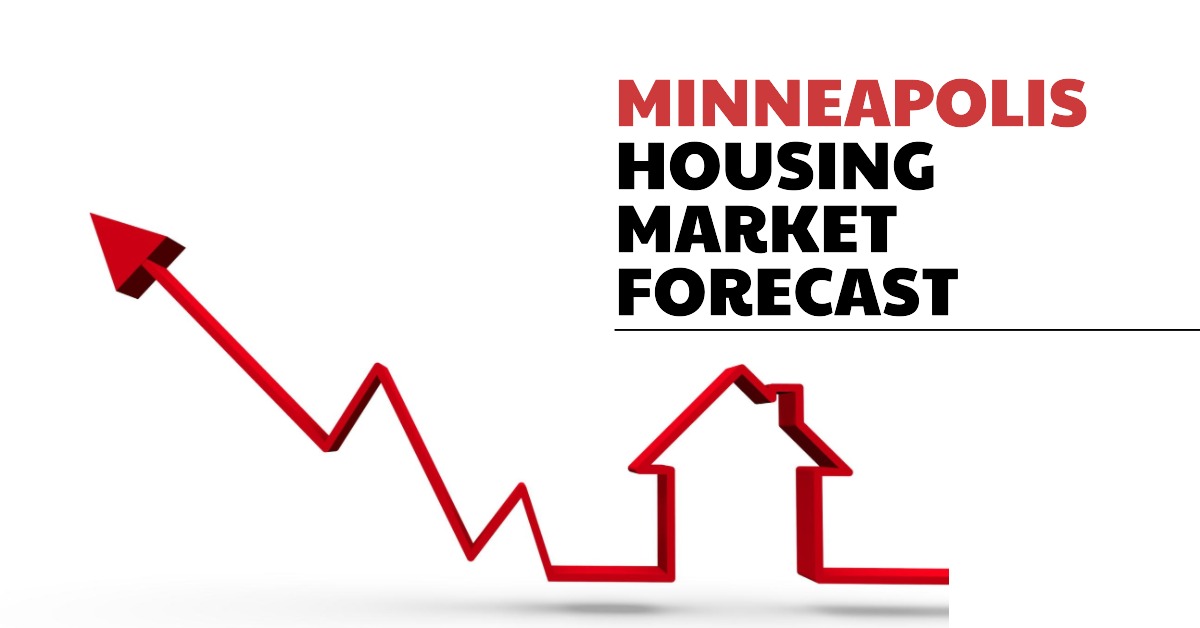
Navigating Seller’s Market: Twin Cities Housing Trends and Predictions for 2024

The Minneapolis housing market is currently navigating a complex terrain, marked by a curious blend of optimism and caution. In 2024, home sales in the Twin Cities area experienced a modest uptick of 1.8%.

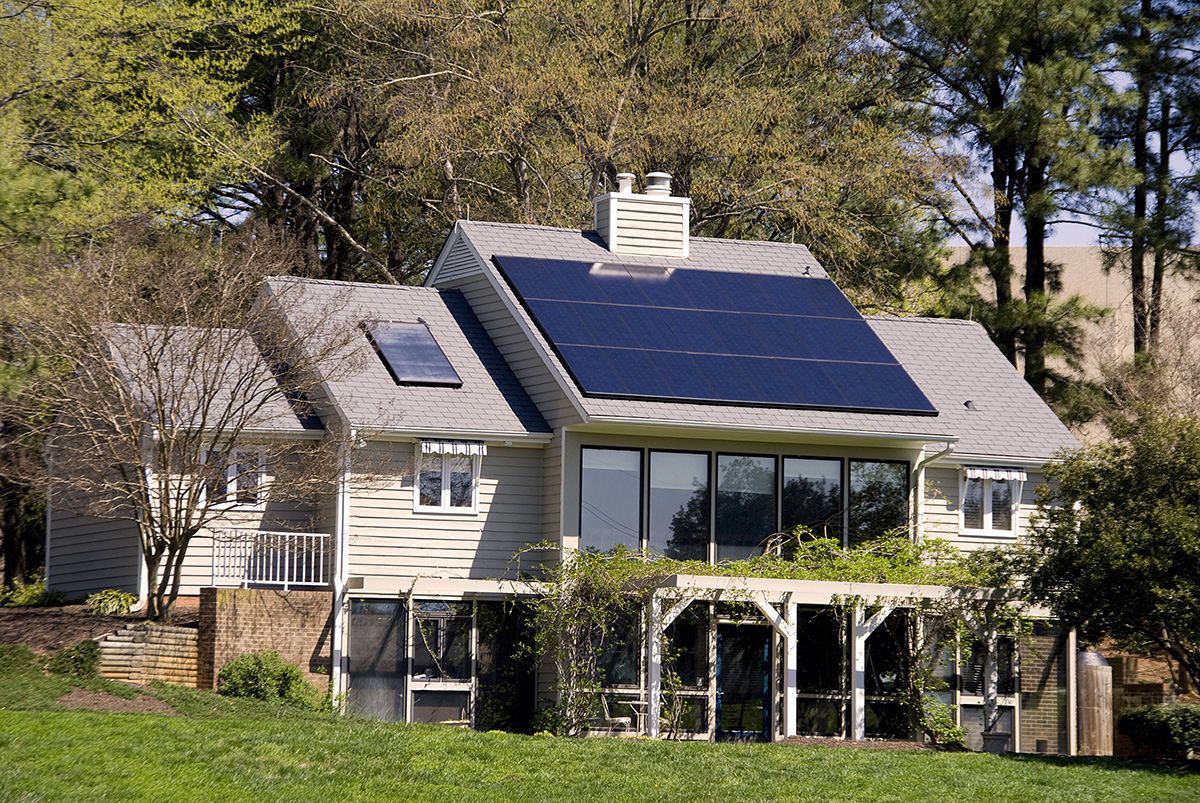
Future Homes: Sustainability and Smart Technology Shaping Real Estate

In the ever-evolving landscape of real estate, two groundbreaking trends are shaping the homes of tomorrow: sustainability and smart home technology. As consumers become increasingly aware of their environmental impact and as technology continues to advance at lightning speed, these trends are significantly influencing buying decisions in the residential real estate market.

By |February 25, 2025|Categories: Article, Real Estate, Technology|Tags: , |0 Comments

Harvard Study Projects Dramatic Slowdown in U.S. Household Growth

In a comprehensive analysis by Harvard's Joint Center for Housing Studies, there is a projected increase of 8.6 million households in the United States from 2025 to 2035. This equates to approximately 860,000 new households per year, marking a significant deceleration compared to the post-Great Recession era, which saw a sluggish yet larger gain of 10.1 million households.

By |February 24, 2025|Categories: Article, Demographics, Housing|Tags: , |0 Comments

AI Revolutionizing Real Estate: Predicting Trends and Values

The real estate industry, often seen as conservative, is gradually embracing technological advancements with AI leading the charge. Generative AI is already revolutionizing real estate marketing by enhancing customer experiences and optimizing content creation.

By |February 24, 2025|Categories: Article, Real Estate, Technology/AI|Tags: , |0 Comments

In-Person Work Policies: A Beacon of Hope for Commercial Real Estate

With office occupancy plummeting by 90% from February to March 2020, the impact of remote work was palpable. However, the researchers found that hybrid mandates and adding more in-office days could mitigate some of these challenges.