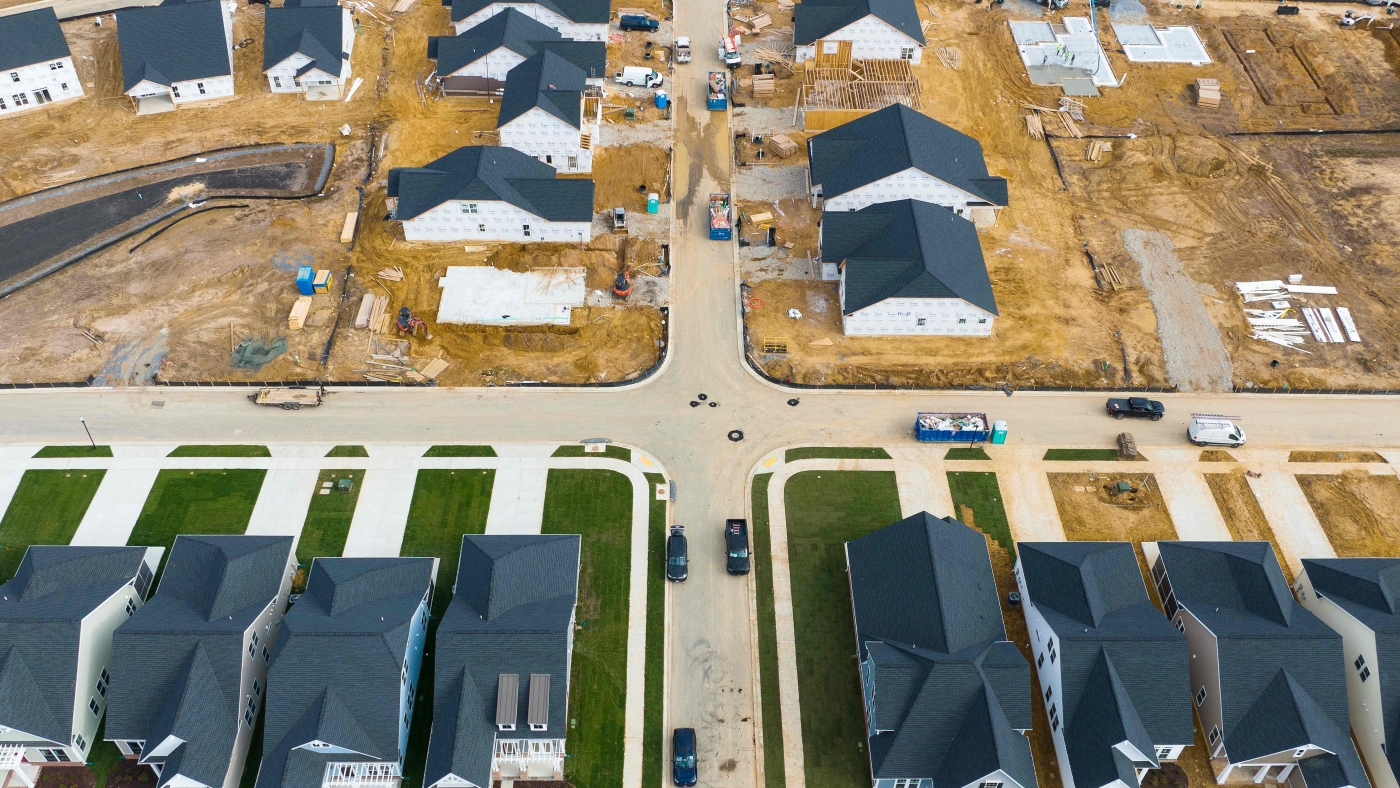
Unveiled during the highly anticipated Fall Meeting in Las Vegas, the “Emerging Trends in Real Estate®” report positions Dallas-Fort Worth as the top market to watch in 2025.


In a pivotal moment for the real estate industry, PwC and the Urban Land Institute (ULI) Americas have released the 46th edition of their influential report, Emerging Trends in Real Estate® 2025. During the Fall Meeting in Las Vegas, the report highlighted Dallas-Fort Worth as the leading market to watch in the coming year, driven by signals of recovery in capital markets and anticipated reductions in interest rates poised to boost real estate transactions.


Angela Cain, ULI Global CEO, commented, “In 2025, we expect lower interest rates will reduce borrowing costs, aid in price discovery, and ultimately encourage an uptick in CRE transactions.” This cautious optimism is buoyed by early signs of capital markets recovery, indicating a positive trend for the industry.


Andrew Alperstein from PwC’s US real estate practice noted the growing optimism within the industry. He emphasized the importance of firms focusing on managing short-term risks and adjusting their growth strategies to leverage the ongoing recovery.


Emerging Trends in Real Estate® 2025 Top Markets

The report annually lists the top 10 real estate markets to watch. For 2025, these include:

  1. Dallas-Fort Worth
  2. Miami
  3. Houston
  4. Tampa – St. Petersburg
  5. Nashville
  6. Orlando
  7. Atlanta
  8. Boston
  9. Salt Lake City
  10. Phoenix

Notable Trends in the 2025 Report

Industry leaders are more confident than a year ago but remain cautious. Stability has returned to property markets, and investors are addressing cyclical issues like oversupply. The demand for data centers is soaring due to the growth of artificial intelligence and other emerging technologies.


Multifamily housing may face a supply glut in high-growth areas, but demand is expected to remain strong due to job growth and favorable demographics. The multifamily market will need to address the increasing number of cost-burdened renters.


Climate change poses a significant challenge, with higher insurance costs affecting CRE and housing markets. Real estate firms are incorporating climate risk into their decision-making processes.


Data centers continue to dominate the real estate market, driven by increasing demand for cloud storage and AI. This demand is leading to rapid growth and rising rents in major data center markets.


Explore the full Emerging Trends in Real Estate® 2025 report via a new, interactive experience.


For more information, visit PwC’s official release. Related articles include PwC’s recognition as a top company on LinkedIn and TIME Magazine’s list of best companies for future leaders.


More Articles

Getting licensed or staying ahead in your career can be a journey—but it doesn’t have to be overwhelming. Grab your favorite coffee or tea, take a moment to relax, and browse through our articles. Whether you’re just starting out or renewing your expertise, we’ve got tips, insights, and advice to keep you moving forward. Here’s to your success—one sip and one step at a time!

The Digital Healthcare Revolution: Transforming Patient Care with Technology

The global digital health market is set to skyrocket, with projections estimating it will reach $551.09 billion by 2027. This growth is fueled by innovations that are setting new benchmarks in healthcare delivery.

By |November 28, 2024|Categories: Article, Healthcare, Technology|Tags: , |0 Comments

University of Pennsylvania Pioneers the Planetary Health Curriculum

This innovative program equips medical students with the knowledge to understand and mitigate the effects of climate change on human health.

The Deep-Learning Triple Threat Transforming Medical Imaging

AI is being hailed as a "triple threat" in radiology, impacting planning, scanning, and diagnosis. As detailed in a recent column by Kelly Londy of GE HealthCare, these intelligent imaging systems are ushering in seismic changes reminiscent of the transformative impact of computer-assisted tomography in the late 20th century.

Federal Reserve’s Interest Rate Cut: Implications for the Housing Market

In a significant move that has captured the attention of economists and homebuyers alike, the Federal Reserve recently announced a half-percentage-point cut in interest rates. This decision is poised to bring about notable changes in the housing market, though not all effects may be beneficial for prospective homeowners.

By |November 27, 2024|Categories: Article, Economics, Real Estate|Tags: , |0 Comments

Public Perceptions of AI in Healthcare: A Balancing Act Between Innovation and Ethics

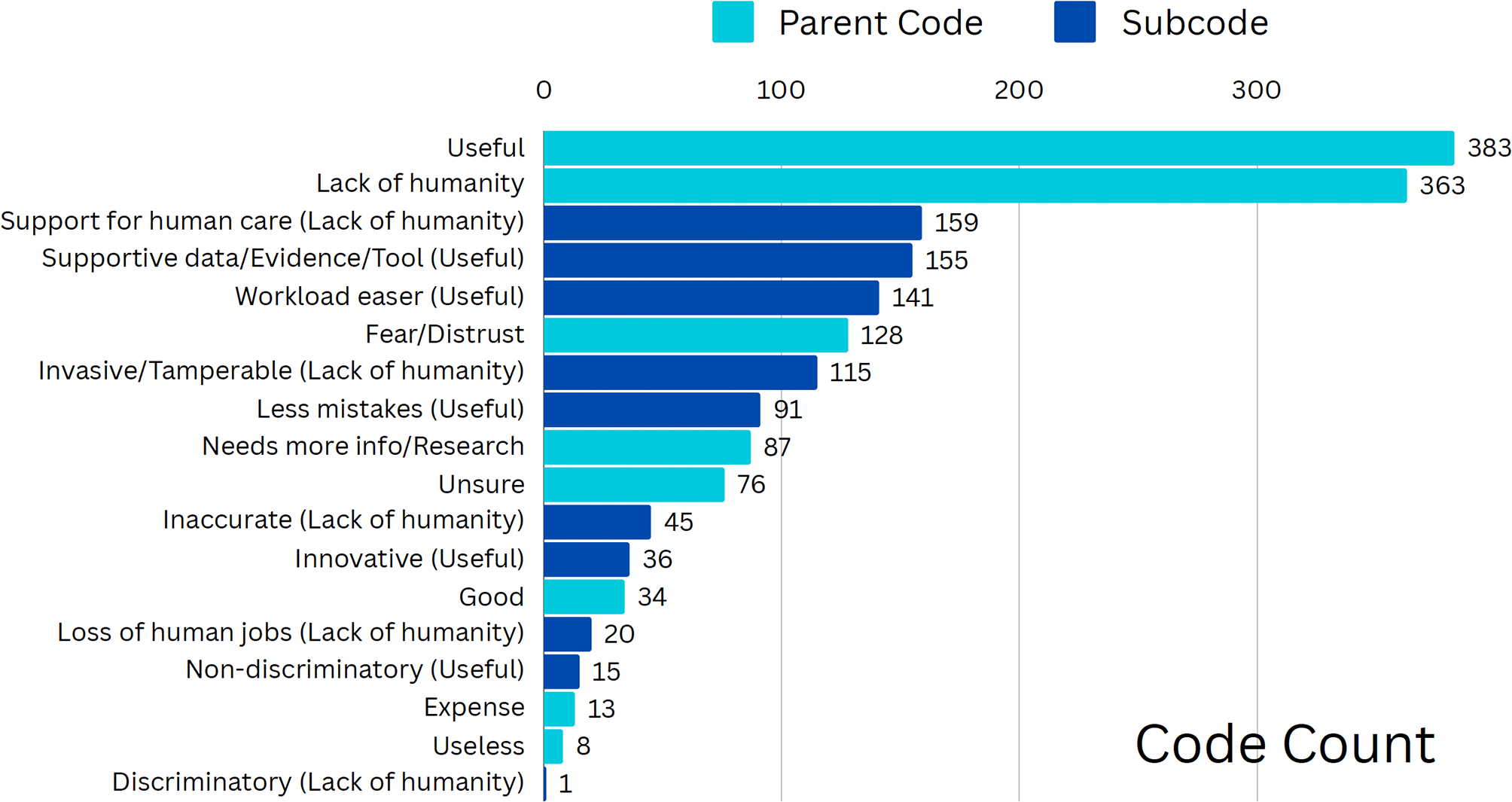
In the rapidly evolving landscape of healthcare, the integration of artificial intelligence (AI) stands as a beacon of both promise and concern. The research underscores a significant tension: while AI has the capability to enhance healthcare delivery, there is palpable unease about its impact on the traditional physician-patient relationship.

By |November 27, 2024|Categories: Article, Ethics, Healthcare|Tags: , |0 Comments

The Ethical Dilemmas of AI: A Modern Conundrum

As artificial intelligence (AI) technology advances, it presents a myriad of ethical dilemmas and challenges that demand urgent attention. The USC Annenberg School for Communication and Journalism recently explored these pressing issues, highlighting the complexities involved in AI's deployment.

By |November 27, 2024|Categories: Article, Ethics, Technology|Tags: , |0 Comments