Unveiled during the highly anticipated Fall Meeting in Las Vegas, the “Emerging Trends in Real Estate®” report positions Dallas-Fort Worth as the top market to watch in 2025.


In a pivotal moment for the real estate industry, PwC and the Urban Land Institute (ULI) Americas have released the 46th edition of their influential report, Emerging Trends in Real Estate® 2025. During the Fall Meeting in Las Vegas, the report highlighted Dallas-Fort Worth as the leading market to watch in the coming year, driven by signals of recovery in capital markets and anticipated reductions in interest rates poised to boost real estate transactions.


Angela Cain, ULI Global CEO, commented, “In 2025, we expect lower interest rates will reduce borrowing costs, aid in price discovery, and ultimately encourage an uptick in CRE transactions.” This cautious optimism is buoyed by early signs of capital markets recovery, indicating a positive trend for the industry.


Andrew Alperstein from PwC’s US real estate practice noted the growing optimism within the industry. He emphasized the importance of firms focusing on managing short-term risks and adjusting their growth strategies to leverage the ongoing recovery.


Emerging Trends in Real Estate® 2025 Top Markets

The report annually lists the top 10 real estate markets to watch. For 2025, these include:

  1. Dallas-Fort Worth
  2. Miami
  3. Houston
  4. Tampa – St. Petersburg
  5. Nashville
  6. Orlando
  7. Atlanta
  8. Boston
  9. Salt Lake City
  10. Phoenix

Notable Trends in the 2025 Report

Industry leaders are more confident than a year ago but remain cautious. Stability has returned to property markets, and investors are addressing cyclical issues like oversupply. The demand for data centers is soaring due to the growth of artificial intelligence and other emerging technologies.


Multifamily housing may face a supply glut in high-growth areas, but demand is expected to remain strong due to job growth and favorable demographics. The multifamily market will need to address the increasing number of cost-burdened renters.


Climate change poses a significant challenge, with higher insurance costs affecting CRE and housing markets. Real estate firms are incorporating climate risk into their decision-making processes.


Data centers continue to dominate the real estate market, driven by increasing demand for cloud storage and AI. This demand is leading to rapid growth and rising rents in major data center markets.


Explore the full Emerging Trends in Real Estate® 2025 report via a new, interactive experience.


For more information, visit PwC’s official release. Related articles include PwC’s recognition as a top company on LinkedIn and TIME Magazine’s list of best companies for future leaders.

More Articles

Getting licensed or staying ahead in your career can be a journey—but it doesn’t have to be overwhelming. Grab your favorite coffee or tea, take a moment to relax, and browse through our articles. Whether you’re just starting out or renewing your expertise, we’ve got tips, insights, and advice to keep you moving forward. Here’s to your success—one sip and one step at a time!

The Mortgage Industry’s AI Transformation: Automation Reshapes Lending From Application to Approval

Artificial intelligence is rapidly reshaping the mortgage industry, boosting productivity, reducing manual work, and accelerating loan closings. From automated document data extraction to AI‑generated underwriting narratives and predictive analytics, lenders are using new tools that improve accuracy and drastically speed up processing times. With chatbots, next‑gen point‑of‑sale systems, and end‑to‑end automation, preapprovals that once took days now take minutes. For mortgage and real estate professionals, mastering AI is becoming a major competitive advantage—one that defines who will thrive in the future of lending.

Why Your Insurance Bill Is Rising Even as Florida Rates Go Down

Florida’s property insurance rates are finally starting to drop, but many homeowners are still seeing higher monthly bills. The reason isn’t insurer price hikes—it’s soaring replacement costs driven by construction inflation, labor shortages, and rising home values. Nearly 75 percent of recent premium increases came from higher property values alone. Understanding this gap between “rates” and “premiums” helps homeowners—and real estate and insurance professionals—navigate the shifting Florida market and make smarter coverage decisions.

Milwaukee’s Commercial Real Estate Market Turns a Corner

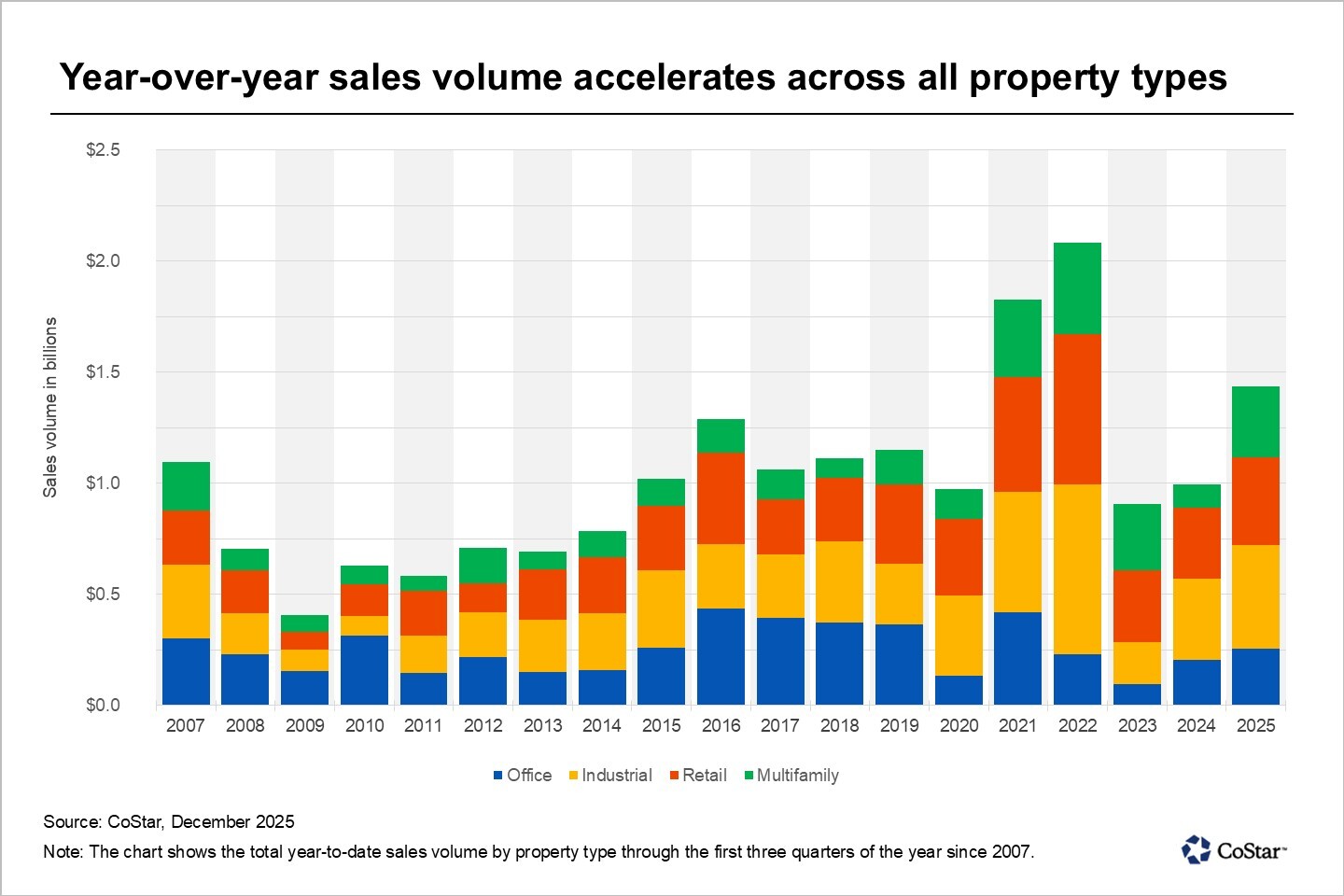
Milwaukee’s commercial real estate market is finally showing real signs of recovery, with 2025 sales volume hitting a three‑year high and investor confidence steadily returning. Driven by selective, fundamentals‑focused buying—favoring strong cash flow, quality assets, and strategic pricing—the city is moving from a period of correction into a healthier, opportunity‑rich phase. For real estate professionals nationwide, Milwaukee’s momentum reflects broader CRE market stabilization and the growing importance of disciplined underwriting and market expertise.

Reverse Mortgage Market Poised for Breakout Growth in 2026

Industry leaders project a major surge in reverse mortgage activity heading into 2026, fueled by rising proprietary products, lender innovation, and strong investor interest. As high interest rates push originators to adopt new strategies, flexible private‑label options, senior‑focused HELOCs, and a wave of big‑capital investment are reshaping the market. With education and policy shifts poised to unlock even more demand, reverse mortgages are entering their most transformative era yet.

The 2026 Housing Market Outlook: Is Better Inventory Finally on the Horizon?

Experts forecast that 2026 may bring long‑awaited relief to homebuyers, with both existing and new home inventory expected to rise. NAR predicts a boost in home sales, a slight drop in mortgage rates, and a modest 4% increase in prices—conditions that could motivate more homeowners to list while builders add over a million new homes to the market. For first‑time buyers, higher loan limits and easing qualification standards may make entering the market more achievable than in recent years.

Lower Interest Rates Signal a Brighter 2026 for South Florida Real Estate

South Florida enters 2026 with renewed optimism as falling mortgage rates, improving buyer confidence, and a strong job market help stabilize a housing landscape that struggled in 2025—especially in the condo sector. While single-family homes remained resilient last year, condos faced price drops, rising fees, and hesitation tied to new safety regulations. With rates projected to fall to around 5.8% by year’s end, buying power is increasing, inventory may loosen, and activity is expected to pick up. Still, affordability challenges persist, Miami’s rental market remains intensely competitive, and the condo sector’s recovery will take time.