Dallas–Fort Worth Real Estate Enters a New Era: What the Next Construction Cycle Really Looks Like
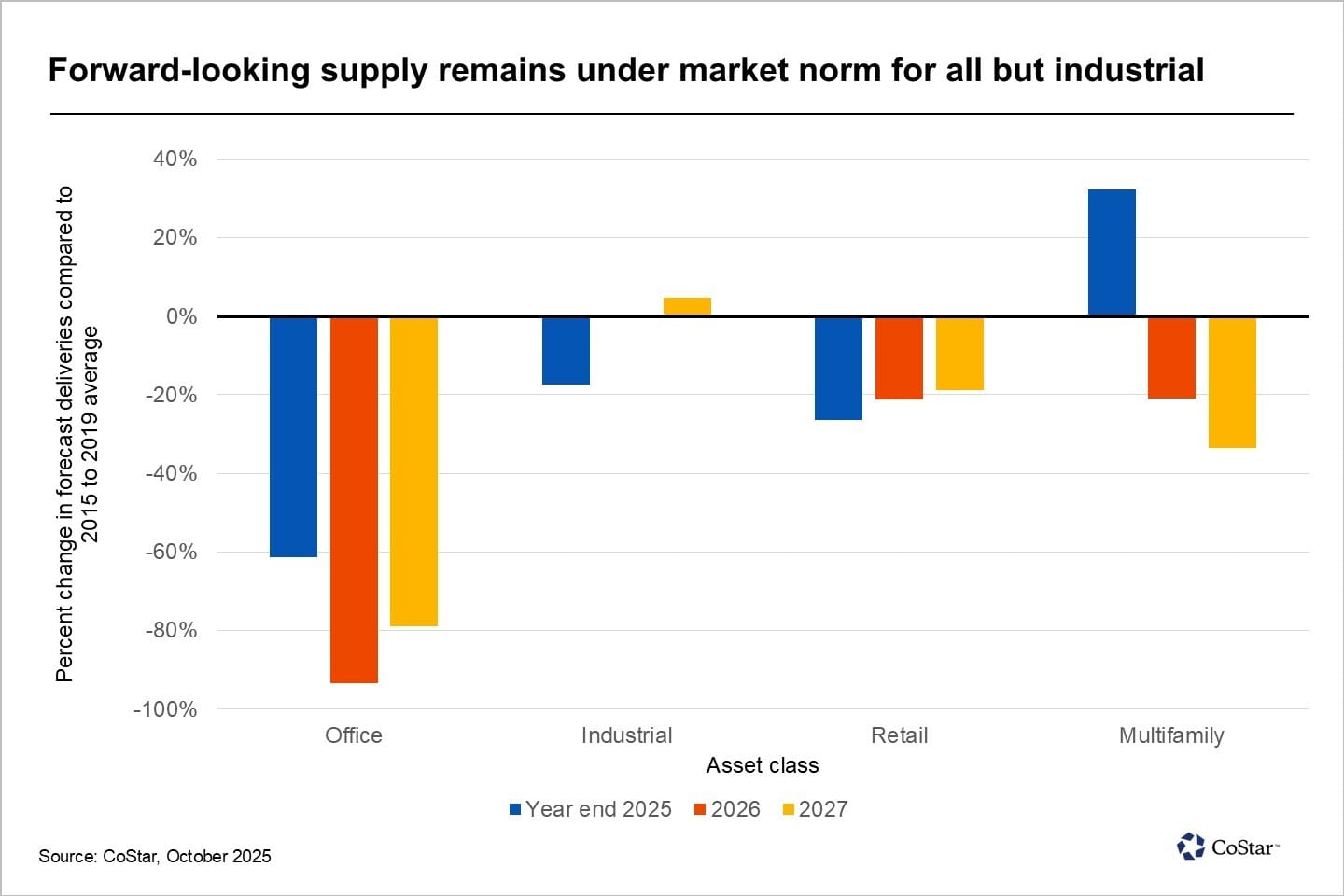
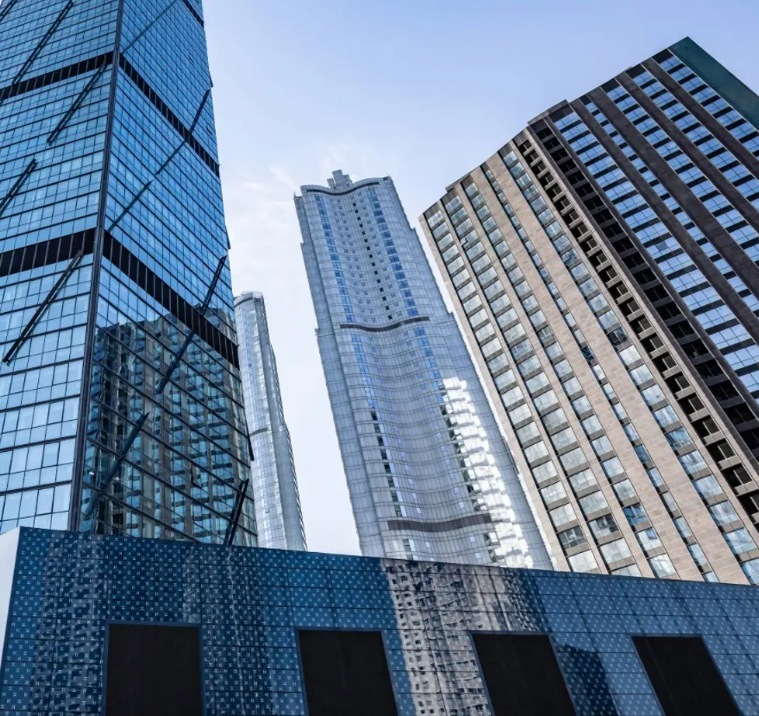
The Dallas–Fort Worth real estate market is undergoing one of its most intriguing shifts in years — and if you’re a current or aspiring professional in the field, this is the kind of moment that defines careers. According to a recent CoStar Insight report, developers across the metroplex are rethinking their strategies as offices cool, industrial demand recalibrates, and housing evolves in response to demographic shifts.
A Pullback in Office Construction
Office construction — once a dominant force in DFW’s skyline ambitions — is seeing a decisive slowdown. Developers appear cautious as hybrid work models and shifting corporate priorities reshape the need for large, traditional office footprints. The cranes haven’t disappeared, but they are noticeably fewer than in the boom years.
Industrial and Housing: Still Growing, but Resetting
Industrial space, which surged during the post-pandemic e-commerce explosion, is beginning to stabilize. Developers are becoming more selective, focusing on strategic logistics corridors rather than mass expansion. Meanwhile, the housing market is adjusting to affordability pressures, population growth, and shifting buyer expectations — all of which are pushing builders to innovate rather than simply scale.
Why This Matters for Real Estate Professionals
Periods of change can be challenging, but they are also moments of massive opportunity. Understanding construction cycles, asset-class shifts, and local market behavior makes the difference between reacting and leading. Professionals who stay informed — and stay licensed and trained — position themselves at the front of these evolving trends.
This is especially true for students and professionals expanding their credentials through Cameron Academy, where staying ahead of the market isn’t just encouraged — it’s built into the learning experience. Whether you’re deepening your real estate expertise or branching into mortgage, insurance, or other licensed fields, understanding shifts like the ones happening in DFW helps you operate with strategy and confidence.
A Final Look Forward
DFW remains one of the most resilient and opportunity-rich markets in the country. While developers pause, pivot, and reallocate, the market’s evolution is still underway — and those paying attention now will be the ones who benefit later.
For deeper insights, you can explore the full report directly from CoStar. And remember — staying educated is the most consistent way to stay competitive.
Getting licensed or staying ahead in your career can be a journey—but it doesn’t have to be overwhelming. Grab your favorite coffee or tea, take a moment to relax, and browse through our articles. Whether you’re just starting out or renewing your expertise, we’ve got tips, insights, and advice to keep you moving forward. Here’s to your success—one sip and one step at a time!
The 2026 housing market is off to a powerful start, with rising buyer activity, expanding inventory, and steady pricing creating one of the most balanced environments in years. Pending home sales and mortgage applications are climbing, inventory has reached 2.6 months of supply, and new listings continue to grow—all signaling renewed confidence and fresh opportunity for real estate professionals nationwide.
A wave of optimism is returning to U.S. commercial real estate heading into 2026, with 95% of investors planning to buy the same or more property than last year. Capital allocations are rising, Sun Belt cities continue to shine, and multifamily remains the top asset class. As pricing stabilizes and debt pressures ease, professionals across real estate and finance are entering a year defined by strategic growth and renewed opportunity.
Floridians were told insurance relief was on the way, but many homeowners are seeing the opposite as premiums continue to rise. Despite state leaders insisting the market is improving and insurers filing rate decreases, homeowners like Lisa Riggi say the real‑world impact tells a different story. Higher property valuations, inflation, and updated replacement‑cost calculations are driving premiums upward, leaving some families questioning whether they can afford to remain in Florida.
Florida once promised retirees sunshine, low costs, and a $20,000 condo by the pool. But in 2026, soaring insurance rates, rising taxes, shrinking affordable housing, and an influx of wealthier newcomers have transformed the state into a far more expensive version of the paradise our parents knew. From corporate buyouts of mobile home parks to multimillion‑dollar estates redefining the market, today’s Florida is a place of widening gaps, disappearing middle‑range homes, and a future that demands deeper pockets—and smarter market insight.
Mortgage rates continue easing into the low 6% range, giving buyers and real estate professionals a welcome boost in early February 2026. Softer labor market data and slipping Treasury yields are helping keep rates stable, with 30‑year fixed loans averaging around 6.26% and refinance rates also trending lower. While affordability remains tight, today’s calmer rate environment is opening doors for more buyers—and offers agents a clearer outlook as they guide clients through a still‑shifting market.
A new CBRE survey reveals that U.S. commercial real estate investors are preparing to ramp up acquisitions in 2026, signaling renewed confidence across the sector. Dallas leads the nation for the fifth straight year as the top investment market, followed by Atlanta and San Francisco. Florida markets like Miami and Tampa continue to rise, while cities such as Charlotte, Nashville, Seattle, and New York also attract strong investor attention. With activity heating up nationwide, 2026 is shaping into a powerful year for commercial real estate professionals.