Dallas–Fort Worth Real Estate Enters a New Era: What the Next Construction Cycle Really Looks Like
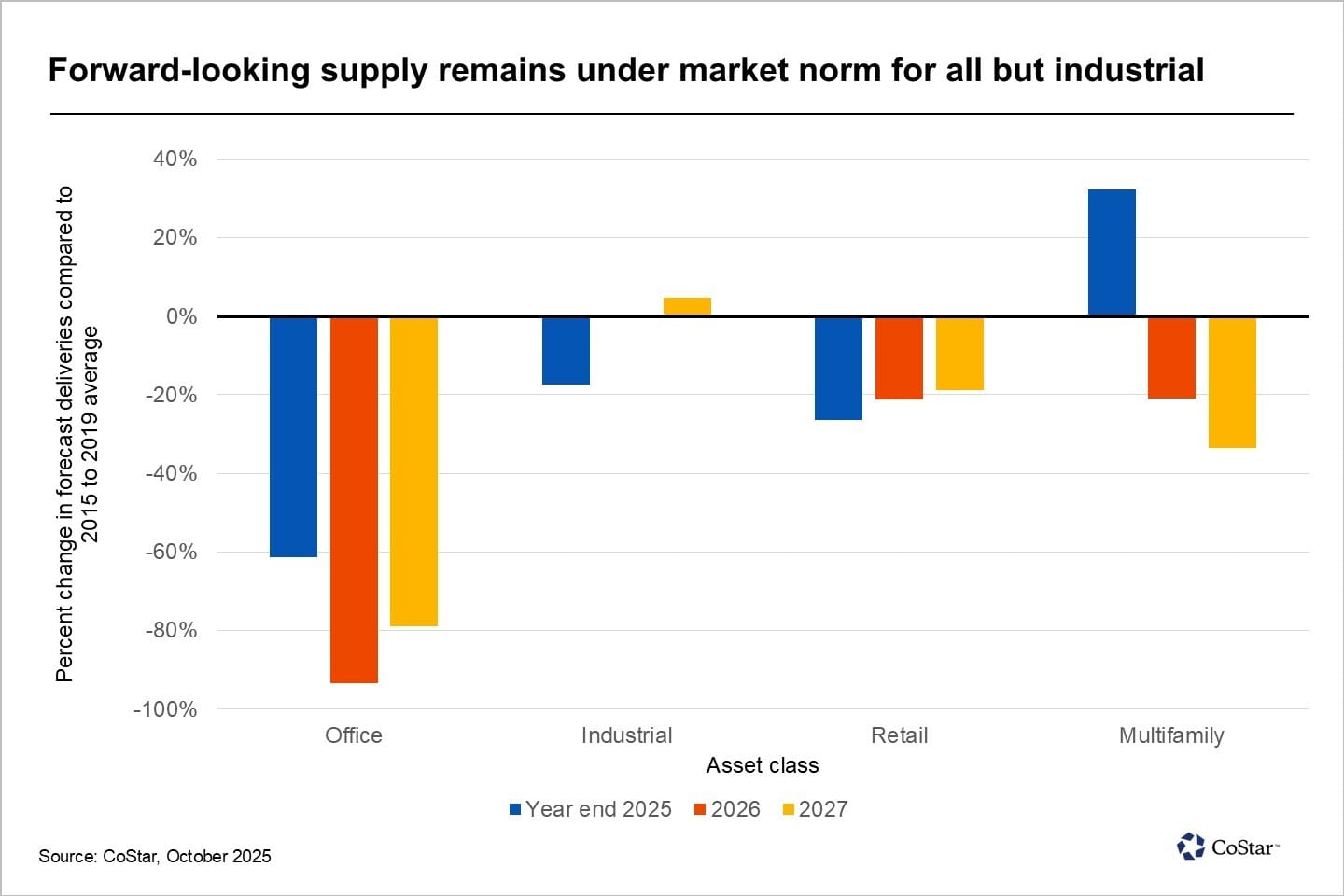
The Dallas–Fort Worth real estate market is undergoing one of its most intriguing shifts in years — and if you’re a current or aspiring professional in the field, this is the kind of moment that defines careers. According to a recent CoStar Insight report, developers across the metroplex are rethinking their strategies as offices cool, industrial demand recalibrates, and housing evolves in response to demographic shifts.
A Pullback in Office Construction
Office construction — once a dominant force in DFW’s skyline ambitions — is seeing a decisive slowdown. Developers appear cautious as hybrid work models and shifting corporate priorities reshape the need for large, traditional office footprints. The cranes haven’t disappeared, but they are noticeably fewer than in the boom years.
Industrial and Housing: Still Growing, but Resetting
Industrial space, which surged during the post-pandemic e-commerce explosion, is beginning to stabilize. Developers are becoming more selective, focusing on strategic logistics corridors rather than mass expansion. Meanwhile, the housing market is adjusting to affordability pressures, population growth, and shifting buyer expectations — all of which are pushing builders to innovate rather than simply scale.
Why This Matters for Real Estate Professionals
Periods of change can be challenging, but they are also moments of massive opportunity. Understanding construction cycles, asset-class shifts, and local market behavior makes the difference between reacting and leading. Professionals who stay informed — and stay licensed and trained — position themselves at the front of these evolving trends.
This is especially true for students and professionals expanding their credentials through Cameron Academy, where staying ahead of the market isn’t just encouraged — it’s built into the learning experience. Whether you’re deepening your real estate expertise or branching into mortgage, insurance, or other licensed fields, understanding shifts like the ones happening in DFW helps you operate with strategy and confidence.
A Final Look Forward
DFW remains one of the most resilient and opportunity-rich markets in the country. While developers pause, pivot, and reallocate, the market’s evolution is still underway — and those paying attention now will be the ones who benefit later.
For deeper insights, you can explore the full report directly from CoStar. And remember — staying educated is the most consistent way to stay competitive.
Getting licensed or staying ahead in your career can be a journey—but it doesn’t have to be overwhelming. Grab your favorite coffee or tea, take a moment to relax, and browse through our articles. Whether you’re just starting out or renewing your expertise, we’ve got tips, insights, and advice to keep you moving forward. Here’s to your success—one sip and one step at a time!
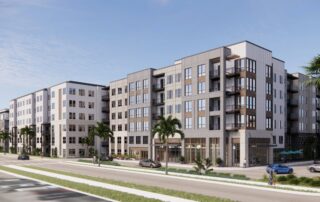
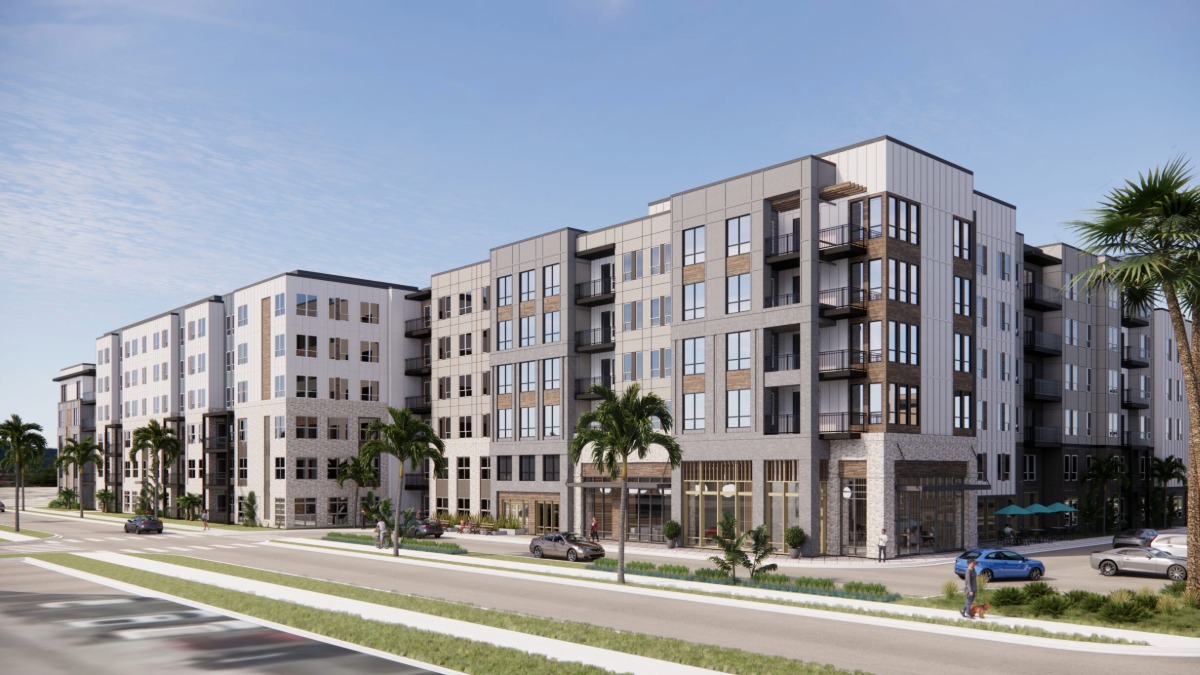
Landmark Properties has officially begun construction on The Mark Tampa, a six‑story luxury student community featuring over 800 beds, rooftop amenities, study spaces, retail, and modern unit layouts. Set to open before the 2027–2028 school year, the project signals strong investor confidence in North Tampa’s booming student housing market.
Florida’s property and auto insurance crisis is intensifying, setting the stage for a major political showdown ahead of the 2026 elections. Republicans argue recent reforms are finally stabilizing the market, while Democrats insist families are being crushed by soaring premiums and can’t wait for relief. With homeowners, condo associations, and insurers all feeling the pressure, lawmakers are preparing for one of the most consequential legislative battles in years.
Markets are betting heavily on a Federal Reserve rate cut in December, but that doesn’t guarantee lower mortgage rates. Even with an 85% chance of a cut priced in, mortgage rates move more with the 10‑year Treasury than the Fed itself — and recent history shows rates can rise even when the Fed eases. Today’s 6.43% average rate is the lowest in over a year, but still unpredictable, making financial readiness more important than trying to time the market.
Grand Junction is experiencing a powerful commercial real estate upswing, with 151 commercial units closed so far in 2025—a 36% jump from last year. Building permits are also up 23%, signaling expanding development momentum. Brokers say interest from national chains is accelerating the city’s evolution, bringing jobs, investment, and long‑term economic potential to Colorado’s Western Slope.
Nashville continues its rise as one of the nation’s most attractive real estate markets, landing the #6 spot in the Emerging Trends in Real Estate 2026 report from PwC and ULI. With strong demographic momentum, business expansion, and a development pipeline drawing national eyes, the city stands out amid shifting economic conditions. The report highlights fast‑growing sectors such as data centers, senior housing, and evolving office dynamics—offering real estate professionals valuable insight into where opportunities are emerging next.
Canada’s commercial real estate sector continues to evolve rapidly, with new data revealing major transactions, shifting investment patterns, and emerging economic signals across the country. From resilient retail spending to cooling construction and regional standouts like Montreal and the Prairies, this week’s CRE pulse—powered by Altus Group’s research team—gives real estate, mortgage, and finance professionals a sharp snapshot of the market forces to watch as 2025 winds down.