Dallas‑Fort Worth’s 2025 Boom: Real Estate Resilience, Workforce Shifts, and the Metroplex That Won’t Slow Down
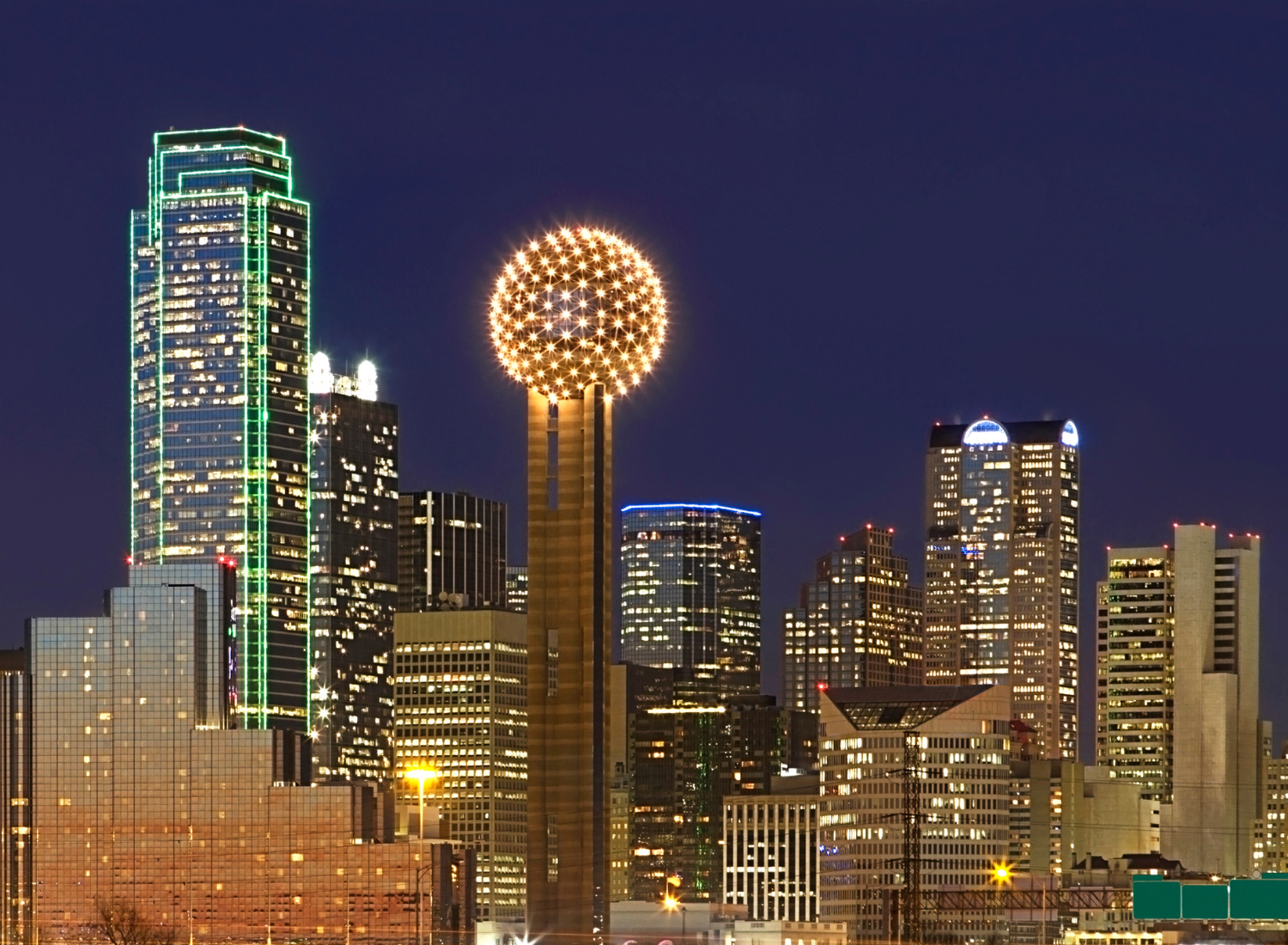
Dallas‑Fort Worth isn’t just growing—it’s leading the nation. As 2025 wraps up, the metroplex remains the country’s top performer in commercial investment, corporate relocations, and large‑scale development. With affordability, infrastructure, and future‑forward planning, DFW is showing the nation how sustainable growth is done.
A Metroplex on the Move
The Urban Land Institute once again crowned Dallas‑Fort Worth as the No. 1 real estate market in America. Talent inflow, business migration, and strong development patterns continue to fuel the region’s rapid ascent.
“Dallas is on track to become a more significant city each year.” — Bill Cawley, CEO, Cawley Partners
Even with national economic uncertainty, DFW’s attractiveness has remained unshaken. Workers, investors, and corporations continue choosing Dallas‑Fort Worth for its affordability and open‑market dynamism.
Industrial Powerhouse: The Engine of DFW Real Estate
Few markets in the U.S. compare to DFW’s industrial surge. Quarter after quarter, the region sees powerful absorption numbers—3.2 million square feet in Q3 2025 alone.
With over 21 million square feet under construction, the metroplex is strengthening its identity as a logistics and production super‑hub.
“Data centers, EV battery plants, and semiconductors are expanding at an exponential rate in our region.” — Nick Barker, Turner Construction
North Texas has become a national magnet for hyperscale data centers—fueling America’s next generation of tech infrastructure.
Office Market Finds Its Footing
The office sector has battled turbulence, but momentum is returning. Class A product saw over 1 million square feet of positive absorption and a notable increase in asking rents.
Savills reported nearly 4 million square feet of leasing activity in Q3—well above trend lines.
“Dallas is set to become the new home of the Texas Stock Exchange.” — Matt Leyman, The Beck Group
DFW’s rising reputation as a financial hub is reshaping its corporate landscape, attracting firms seeking modern infrastructure and long‑term opportunity.
Infrastructure Investment: Building the 2030s Today
Major investments are sculpting DFW’s future. The DART Silver Line added 26 miles of brand‑new regional rail, connecting key employment hubs with DFW Airport.
Dallas also broke ground on the massive $3.5 billion rebuild of the Kay Bailey Hutchison Convention Center—one of the largest civic projects in Texas history.
“With the growing number of companies and homeowners coming into the area, the need for additional infrastructure continues to grow.” — Aaron Rader, Kimley‑Horn
Workforce Pressure: The Hidden Challenge Behind the Boom
Growth has one major bottleneck: skilled talent. Construction, real estate, and development firms are all pushing through labor shortages as seasoned workers retire.
“People will continue to be the biggest constraint for contractors in general.” — Will Hodges, Cadence McShane
Companies are now expanding partnerships with schools and early‑career technical programs.
“We’ve started working with early collegiate high schools and P‑TECH programs.” — Thomas Crowther, The Crowther Group
As America leans harder into licensed and certified professions, institutions like Cameron Academy step in—preparing aspiring real estate agents, analysts, contractors, and specialists to meet the demand in booming markets like DFW.
Looking Ahead: What Dallas‑Fort Worth Signals for 2026
With industrial dominance, recovering office momentum, massive infrastructure builds, and strong business migration, DFW is poised to remain a top national force throughout 2026 and beyond.
For professionals across real estate, construction, logistics, finance, or investment, Dallas‑Fort Worth represents not just a market to watch—but a market to join.
Getting licensed or staying ahead in your career can be a journey—but it doesn’t have to be overwhelming. Grab your favorite coffee or tea, take a moment to relax, and browse through our articles. Whether you’re just starting out or renewing your expertise, we’ve got tips, insights, and advice to keep you moving forward. Here’s to your success—one sip and one step at a time!
Despite billions poured into proptech and a decade of flashy digital upgrades, the real estate experience remains largely unchanged. Apps made processes smoother, but not more transparent — because the industry’s core structures, data control and power dynamics stayed the same. True disruption will come from platforms that shift information and control to consumers, not just digitize outdated systems.
Early 2026 is delivering a clear message: commercial real estate is entering a recalibration phase. Construction is softening, pending home sales just saw a sharp drop, consumer sentiment is inching upward but remains fragile, and capital markets are tightening as major CRE sectors face rising distress. From data centers powering ahead to CMBS foreclosures climbing and office-to-residential conversions gaining momentum, professionals across real estate, mortgage, insurance, and finance need to stay sharp as the industry shifts.
Discover the real estate roles earning the biggest paychecks in 2026. From investment consultants to commercial leasing managers, this breakdown highlights the salaries, responsibilities, and career paths offering the strongest financial potential in today’s evolving market—perfect for newcomers and seasoned professionals mapping their next big move.
Montana is taking major steps to remove outdated licensing barriers and strengthen its workforce. Governor Greg Gianforte has created a new Licensing Reform Task Force aimed at modernizing regulations, speeding up approvals, and helping more professionals enter high‑demand fields like construction and healthcare. With licensing numbers doubling over the past decade and rural communities facing critical shortages, the state is pushing for faster, more efficient pathways to work. The task force begins meeting in February and will deliver its full reform report by September 2026 — a move that could influence licensing modernization efforts nationwide.
Artificial intelligence has officially moved from novelty to necessity in the real estate world. According to new industry data, 97% of brokerage leaders say their agents now rely on AI tools for everything from listing descriptions to full-scale marketing campaigns. As adoption skyrockets, so do concerns over training, accuracy, and compliance — especially among smaller firms. The message is clear: for today’s real estate professionals, AI literacy isn’t optional anymore.
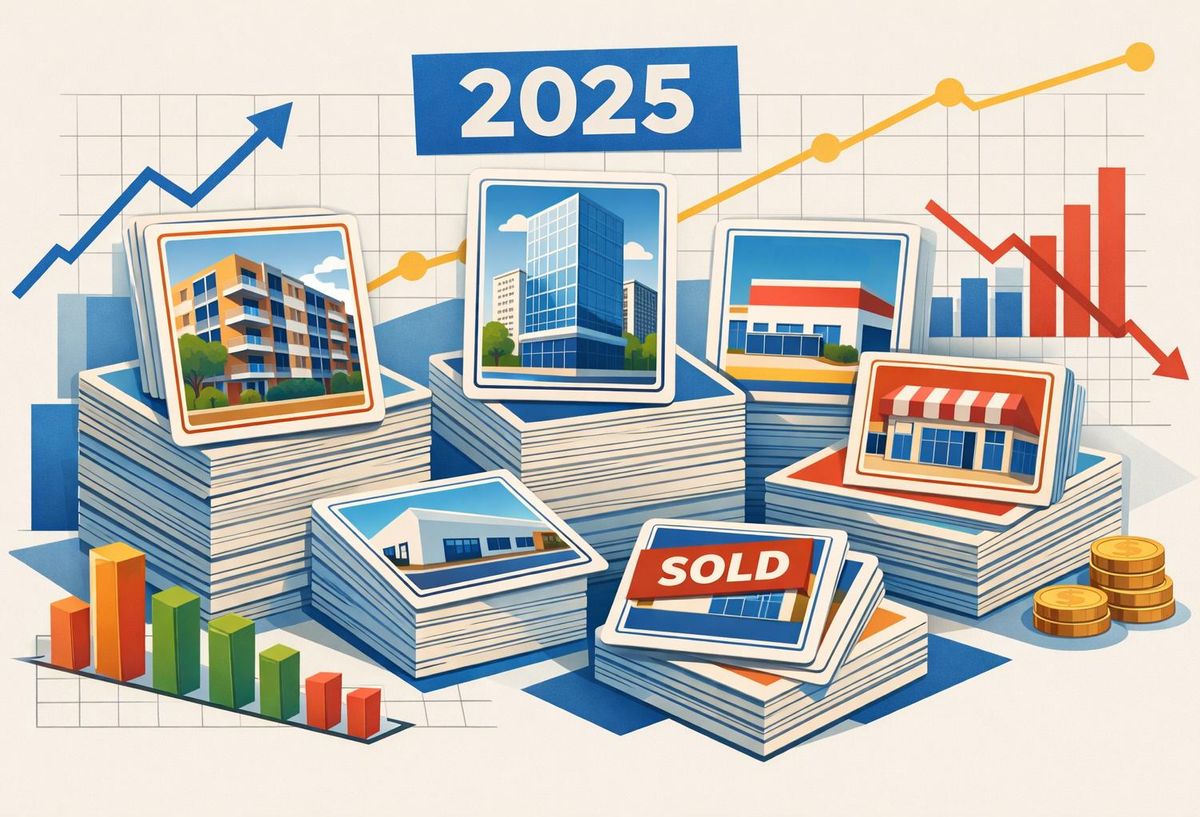
Commercial real estate roared back to life in 2025, with more than $255B pouring into multifamily, industrial, office and retail assets. Major investors moved fast on falling interest rates, improving bond yields and rising confidence across sectors. Multifamily dominated with over $115B in deals, industrial surged under private equity leadership, office saw renewed activity from owner-users and retail proved surprisingly resilient. For today’s real estate and finance professionals, the message is clear: opportunity favors those who stay informed and ready to act.