Dallas‑Fort Worth’s 2025 Boom: Real Estate Resilience, Workforce Shifts, and the Metroplex That Won’t Slow Down
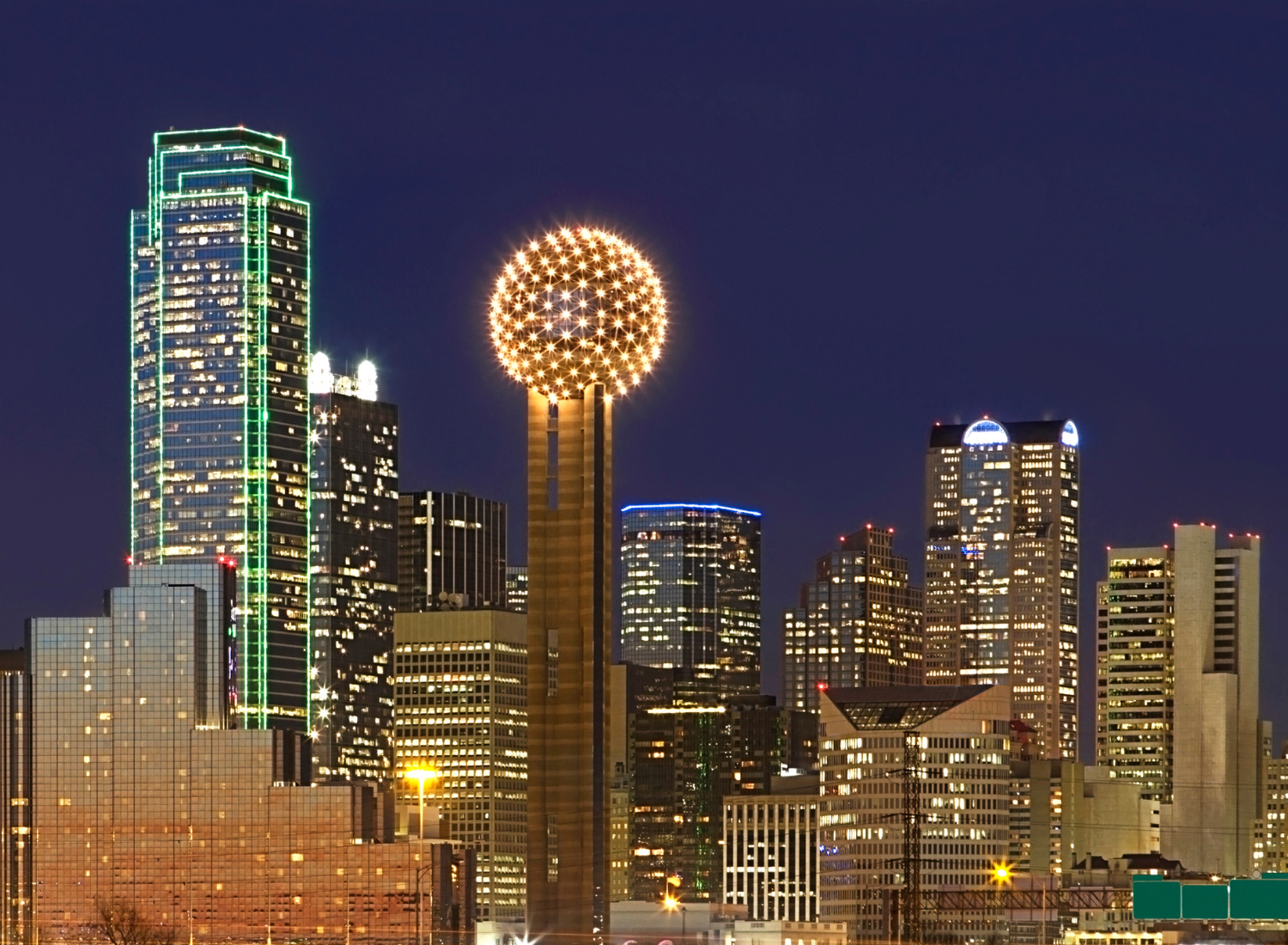
Dallas‑Fort Worth isn’t just growing—it’s leading the nation. As 2025 wraps up, the metroplex remains the country’s top performer in commercial investment, corporate relocations, and large‑scale development. With affordability, infrastructure, and future‑forward planning, DFW is showing the nation how sustainable growth is done.
A Metroplex on the Move
The Urban Land Institute once again crowned Dallas‑Fort Worth as the No. 1 real estate market in America. Talent inflow, business migration, and strong development patterns continue to fuel the region’s rapid ascent.
“Dallas is on track to become a more significant city each year.” — Bill Cawley, CEO, Cawley Partners
Even with national economic uncertainty, DFW’s attractiveness has remained unshaken. Workers, investors, and corporations continue choosing Dallas‑Fort Worth for its affordability and open‑market dynamism.
Industrial Powerhouse: The Engine of DFW Real Estate
Few markets in the U.S. compare to DFW’s industrial surge. Quarter after quarter, the region sees powerful absorption numbers—3.2 million square feet in Q3 2025 alone.
With over 21 million square feet under construction, the metroplex is strengthening its identity as a logistics and production super‑hub.
“Data centers, EV battery plants, and semiconductors are expanding at an exponential rate in our region.” — Nick Barker, Turner Construction
North Texas has become a national magnet for hyperscale data centers—fueling America’s next generation of tech infrastructure.
Office Market Finds Its Footing
The office sector has battled turbulence, but momentum is returning. Class A product saw over 1 million square feet of positive absorption and a notable increase in asking rents.
Savills reported nearly 4 million square feet of leasing activity in Q3—well above trend lines.
“Dallas is set to become the new home of the Texas Stock Exchange.” — Matt Leyman, The Beck Group
DFW’s rising reputation as a financial hub is reshaping its corporate landscape, attracting firms seeking modern infrastructure and long‑term opportunity.
Infrastructure Investment: Building the 2030s Today
Major investments are sculpting DFW’s future. The DART Silver Line added 26 miles of brand‑new regional rail, connecting key employment hubs with DFW Airport.
Dallas also broke ground on the massive $3.5 billion rebuild of the Kay Bailey Hutchison Convention Center—one of the largest civic projects in Texas history.
“With the growing number of companies and homeowners coming into the area, the need for additional infrastructure continues to grow.” — Aaron Rader, Kimley‑Horn
Workforce Pressure: The Hidden Challenge Behind the Boom
Growth has one major bottleneck: skilled talent. Construction, real estate, and development firms are all pushing through labor shortages as seasoned workers retire.
“People will continue to be the biggest constraint for contractors in general.” — Will Hodges, Cadence McShane
Companies are now expanding partnerships with schools and early‑career technical programs.
“We’ve started working with early collegiate high schools and P‑TECH programs.” — Thomas Crowther, The Crowther Group
As America leans harder into licensed and certified professions, institutions like Cameron Academy step in—preparing aspiring real estate agents, analysts, contractors, and specialists to meet the demand in booming markets like DFW.
Looking Ahead: What Dallas‑Fort Worth Signals for 2026
With industrial dominance, recovering office momentum, massive infrastructure builds, and strong business migration, DFW is poised to remain a top national force throughout 2026 and beyond.
For professionals across real estate, construction, logistics, finance, or investment, Dallas‑Fort Worth represents not just a market to watch—but a market to join.
Getting licensed or staying ahead in your career can be a journey—but it doesn’t have to be overwhelming. Grab your favorite coffee or tea, take a moment to relax, and browse through our articles. Whether you’re just starting out or renewing your expertise, we’ve got tips, insights, and advice to keep you moving forward. Here’s to your success—one sip and one step at a time!
Artificial intelligence has shifted from futuristic idea to everyday assistant for real estate professionals. Instead of replacing agents, AI now enhances their workflows—automating repetitive tasks, improving communication, strengthening branding, and turning complex market data into clear insights. From smarter CRMs to AI-powered marketing tools, today’s agents can focus more on relationships and client service while technology handles the busywork behind the scenes.
A Florida House committee is advancing a bill that would crack down on insurers shifting profits to affiliated companies — a practice highlighted by recent investigative reporting. With premiums soaring and options shrinking, the proposed oversight could reshape the state’s insurance landscape and create ripple effects across the real estate market, impacting buyers, agents, and investors statewide.
Proptech podcast *Tangent* marks its 100th episode with an inside look at Airbnb’s evolving role in multifamily housing. Featuring Airbnb Real Estate Marketing Leader Eliza Lochner, the episode explores the rapid growth of Airbnb‑friendly apartments, the rise of flexible‑living models, and why renters and property owners are increasingly embracing hosting as a way to balance affordability, transparency, and control. For today’s real estate professionals—especially in fast‑changing markets like Florida—the conversation highlights major shifts in tenant expectations, property management strategies, and the intersection of technology, hospitality, and residential development.
A Tampa Heights homeowner has joined the growing wave of Floridians dropping property insurance altogether after his 2026 renewal skyrocketed to $14,523. With up to 20% of residents now going bare, experts warn that soaring rates, shrinking coverage options, and post‑storm losses are pushing many to take risky measures — even as alternatives like liability‑only plans, dropped wind coverage, or home‑hardening upgrades may offer relief.
A major ERAS overhaul is coming in 2027, replacing the familiar “publications” field with a more rigorous category called “scholarly works.” Only peer‑reviewed submissions—such as manuscripts, abstracts, book chapters, and presentations—will qualify, shifting greater emphasis toward high‑quality research. While the change aims to give residency directors clearer insight into applicants’ academic contributions, many students worry that advocacy and policy work may lose visibility. As programs lean more heavily on research output in a post–Step 1 pass/fail era, future applicants will need to showcase not just what they’ve produced, but the depth and meaning behind it.
Mortgage rates have ticked back up to 6.25% after a brief dip, signaling a return to stability in the housing market. With rising inventory, moderating prices, and forecasts calling for steady rates through 2026, real estate and finance professionals can expect a more predictable environment ahead. This shift opens the door to smoother transactions, improved buyer confidence, and stronger opportunities for career growth across mortgage, real estate, insurance, and related fields.