Dallas‑Fort Worth’s 2025 Boom: Real Estate Resilience, Workforce Shifts, and the Metroplex That Won’t Slow Down
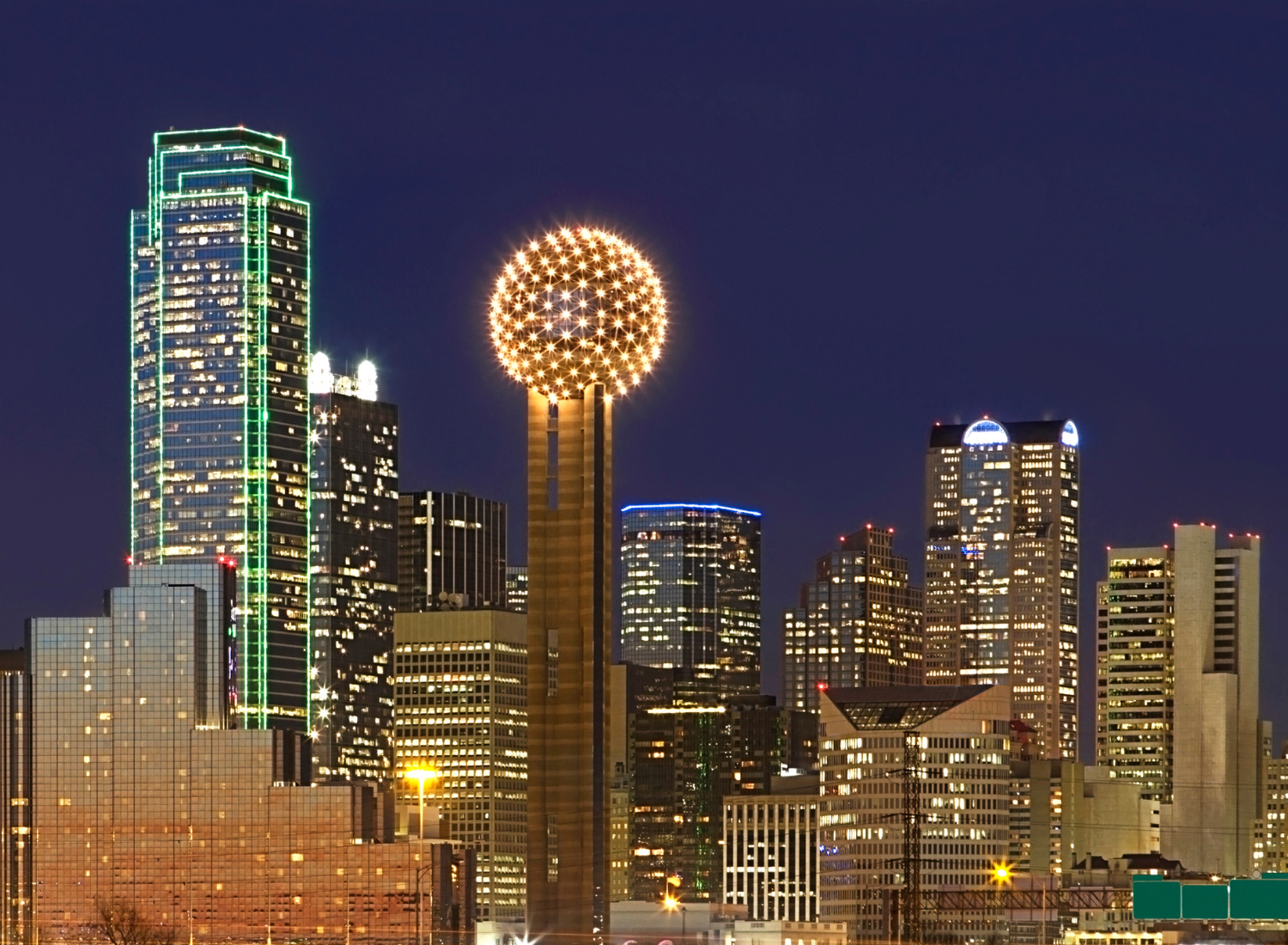
Dallas‑Fort Worth isn’t just growing—it’s leading the nation. As 2025 wraps up, the metroplex remains the country’s top performer in commercial investment, corporate relocations, and large‑scale development. With affordability, infrastructure, and future‑forward planning, DFW is showing the nation how sustainable growth is done.
A Metroplex on the Move
The Urban Land Institute once again crowned Dallas‑Fort Worth as the No. 1 real estate market in America. Talent inflow, business migration, and strong development patterns continue to fuel the region’s rapid ascent.
“Dallas is on track to become a more significant city each year.” — Bill Cawley, CEO, Cawley Partners
Even with national economic uncertainty, DFW’s attractiveness has remained unshaken. Workers, investors, and corporations continue choosing Dallas‑Fort Worth for its affordability and open‑market dynamism.
Industrial Powerhouse: The Engine of DFW Real Estate
Few markets in the U.S. compare to DFW’s industrial surge. Quarter after quarter, the region sees powerful absorption numbers—3.2 million square feet in Q3 2025 alone.
With over 21 million square feet under construction, the metroplex is strengthening its identity as a logistics and production super‑hub.
“Data centers, EV battery plants, and semiconductors are expanding at an exponential rate in our region.” — Nick Barker, Turner Construction
North Texas has become a national magnet for hyperscale data centers—fueling America’s next generation of tech infrastructure.
Office Market Finds Its Footing
The office sector has battled turbulence, but momentum is returning. Class A product saw over 1 million square feet of positive absorption and a notable increase in asking rents.
Savills reported nearly 4 million square feet of leasing activity in Q3—well above trend lines.
“Dallas is set to become the new home of the Texas Stock Exchange.” — Matt Leyman, The Beck Group
DFW’s rising reputation as a financial hub is reshaping its corporate landscape, attracting firms seeking modern infrastructure and long‑term opportunity.
Infrastructure Investment: Building the 2030s Today
Major investments are sculpting DFW’s future. The DART Silver Line added 26 miles of brand‑new regional rail, connecting key employment hubs with DFW Airport.
Dallas also broke ground on the massive $3.5 billion rebuild of the Kay Bailey Hutchison Convention Center—one of the largest civic projects in Texas history.
“With the growing number of companies and homeowners coming into the area, the need for additional infrastructure continues to grow.” — Aaron Rader, Kimley‑Horn
Workforce Pressure: The Hidden Challenge Behind the Boom
Growth has one major bottleneck: skilled talent. Construction, real estate, and development firms are all pushing through labor shortages as seasoned workers retire.
“People will continue to be the biggest constraint for contractors in general.” — Will Hodges, Cadence McShane
Companies are now expanding partnerships with schools and early‑career technical programs.
“We’ve started working with early collegiate high schools and P‑TECH programs.” — Thomas Crowther, The Crowther Group
As America leans harder into licensed and certified professions, institutions like Cameron Academy step in—preparing aspiring real estate agents, analysts, contractors, and specialists to meet the demand in booming markets like DFW.
Looking Ahead: What Dallas‑Fort Worth Signals for 2026
With industrial dominance, recovering office momentum, massive infrastructure builds, and strong business migration, DFW is poised to remain a top national force throughout 2026 and beyond.
For professionals across real estate, construction, logistics, finance, or investment, Dallas‑Fort Worth represents not just a market to watch—but a market to join.
Getting licensed or staying ahead in your career can be a journey—but it doesn’t have to be overwhelming. Grab your favorite coffee or tea, take a moment to relax, and browse through our articles. Whether you’re just starting out or renewing your expertise, we’ve got tips, insights, and advice to keep you moving forward. Here’s to your success—one sip and one step at a time!
After a turbulent 2025 marked by stalled construction, tight capital, and economic uncertainty, commercial real estate is finally entering a period of stabilization and early recovery. Analysts across Colliers, Cushman & Wakefield, CoStar, KBW, and Deloitte agree that 2026 brings a “new equilibrium,” with capital markets waking up, vacancies peaking, and investment activity returning. Office, industrial, retail, multifamily, and data center sectors each tell a different story—some recovering, some booming, some transforming—but all show signs of renewed momentum. For investors and professionals, 2026 offers cautious yet promising opportunities as the industry regains its footing.
Florida kicked off the new year with five impactful laws now in effect, influencing healthcare, insurance, animal welfare, and government employees statewide. From faster medical refund requirements to new pet‑insurance transparency rules and expanded benefits for state workers, these updates are already reshaping daily life and professional practices. Whether you work in real estate, insurance, healthcare, or any state‑licensed field, staying informed on these changes is essential as regulations continue to shift rapidly across Florida.
The commercial real estate market is entering 2026 with renewed momentum and long‑awaited signs of stability. Major research firms report a “new equilibrium” forming across asset classes, supported by lower interest rates, easing lending conditions, and returning investor confidence. Office vacancies are projected to improve, industrial demand remains strong despite reduced construction, and data centers continue to dominate growth. With capital markets reawakening and REITs poised for a potential breakout year, professionals who stay informed and expand their skill sets could find 2026 filled with fresh opportunity.
Mortgage rates have fallen to their lowest point since 2024, giving homebuyers a much‑needed break as 2026 begins. The average 30‑year fixed rate now sits near 6.12% to 6.15%, driven by multiple Fed rate cuts and cooling economic signals. While lower rates are boosting buyer optimism, tight inventory and the lingering lock‑in effect continue to challenge the market. This shift may open a key opportunity window for buyers— and for real estate and mortgage professionals looking to stay ahead of rapid industry changes.
Florida is gearing up for what could be its biggest property tax transformation in decades. With state leaders, including Gov. Ron DeSantis, exploring ways to reduce or even eliminate property taxes as early as 2026, homeowners and real estate professionals are bracing for major changes. While supporters argue that Florida can cut back the nearly $60 billion in annual property tax revenue without harming essential services, local officials warn the move could jeopardize police, fire, EMS, and community programs. As the debate intensifies heading into the 2026 legislative session, the future of Florida’s housing affordability and municipal funding hangs in the balance.
Florida is starting 2026 with a slate of major new laws impacting health care, insurance, real estate, consumer protection, and public safety. From free breast‑cancer diagnostic exams for state employees to new transparency rules for condo associations and stricter regulations on pet insurance, these changes will influence professionals across multiple industries. Whether you work in real estate, insurance, health services, or public policy, understanding these updates will help you stay compliant and ahead of Florida’s fast‑evolving regulatory landscape.