In a recent radio show, financial expert Dave Ramsey issued a strong warning to homebuyers considering using a family member as their real estate agent. Speaking to a caller from Florida, Ramsey advised against employing his newly licensed mother-in-law to sell his home. He cautioned, “You’re going to get screwed,” emphasizing the potential for emotional conflicts and lack of accountability that can arise when mixing family with real estate transactions.

Dave ramsey

Ramsey’s advice aims to help homebuyers avoid the pitfalls that come with family dynamics in business dealings. Often, loyalty or convenience leads buyers to choose family members, but this can be a risky move both personally and financially.

Pros and Cons of Hiring a Family Member as Your Real Estate Agent

Andrew Fortune, a real estate agent and brokerage owner at Great Colorado Homes, shares his insights: “I’ve seen many deals between family members go bad. I had a past client use me to buy their house, but decided to use their uncle to sell it later on. They argued over the price and repairs, and never fully reconciled their differences. The tension spilled into family gatherings for months, and hurt feelings stuck around long after the sale ended.”

Fortune’s experience underscores the potential downsides of such arrangements. Emotional bias and lack of objectivity can cloud negotiations, and there’s a risk of permanently damaging relationships if things go awry.

However, Brett Johnson, owner of New Era Home Buyers in Englewood, CO, notes that family deals can work under certain conditions. “In those cases, the agent was already experienced and everyone agreed upfront to keep it professional. When expectations are clear and both sides understand this is a business transaction, it can go smoothly.”

What Dave Ramsey Recommends Instead

Ramsey suggested a hybrid solution: co-listing the property with a more experienced agent while allowing the family member to assist in a support role. This arrangement can preserve family relationships while ensuring professional handling of negotiations, paperwork, and pricing strategy.

Homebuyers are encouraged to vet agents independently, asking about their neighborhood expertise, recent transactions, and negotiation style. “Ask agents how many homes they sold in your area last year,” advises Fortune. “Request details about their last few deals, and ask how they handle tough buyers or bidding wars. Call a past client to see if the agent delivered on promises.”

Compare Agents to Get the Best Deal

To make informed decisions, Ramsey recommends using tools like the RealChoice agent comparison tool. This free service allows buyers to compare agents based on transaction history, experience, and customer reviews, ensuring a match based on skill and fit—not just family ties.

In conclusion, as Ramsey and other experts highlight, choosing a real estate agent should be approached with the same diligence as hiring any other contractor. The stakes are high, and financial implications are significant. “You would not hire your cousin to fix your roof if they were not an experienced roofer,” says Fortune. “Real estate is too big a deal to risk on family feelings alone.”

For more insights, visit the original article on Realtor.com.

More Articles

Getting licensed or staying ahead in your career can be a journey—but it doesn’t have to be overwhelming. Grab your favorite coffee or tea, take a moment to relax, and browse through our articles. Whether you’re just starting out or renewing your expertise, we’ve got tips, insights, and advice to keep you moving forward. Here’s to your success—one sip and one step at a time!

NAR’s New MLS Policy Changes Spark Immediate Legal Pushback in Michigan

Just 48 hours after NAR unveiled major revisions to its MLS policies, plaintiffs in the Michigan-based Hardy lawsuit moved to use those changes as evidence, arguing they prove NAR’s prior rules were anticompetitive. NAR denies any wrongdoing, but the case is quickly becoming a key test for whether MLS access should require Realtor membership — a question now echoing across multiple states and potentially reshaping how real estate professionals nationwide access the industry’s most essential tool.

Florida Homeowners Grapple With Soaring Insurance Costs as Lawmakers Push for Reform

Florida homeowners are now paying some of the highest insurance premiums in the country, with average costs topping $5,800 per year—nearly double the national average. Residents report skyrocketing rates, denied claims, and tough choices between costly coverage and financial risk. As frustration grows, lawmakers and consumer advocates are pushing new reforms aimed at increasing transparency, capping rate hikes, and protecting policyholders in one of the nation’s most volatile insurance markets.

Top 2026 Commercial Real Estate Issues Every Pro Should Be Watching

Economic uncertainty, rapid AI adoption, tighter capital flows, and rising portfolio risk are reshaping the 2026 commercial real estate landscape. From shifting workforce patterns to a national housing attainability crisis, the industry is entering a data‑driven, fundamentals‑focused era—making adaptability, education, and tech literacy essential for real estate professionals.

Mortgage Rates Rise as Markets Lose Faith in a December Fed Cut

Mortgage rates have climbed to 6.23 percent as investors grow doubtful that the Federal Reserve will deliver a rate cut in December. A soft but unclear jobs report and persistent inflation have pushed borrowing costs higher, reversing October’s brief relief in the housing market. Real estate and mortgage professionals should prepare clients for continued volatility as the Fed’s December meeting approaches.

Housing Market Poised for a Major 2026 Comeback: What Florida Pros Need to Know

After years of tight inventory, high mortgage rates, and sluggish sales, economists say 2026 is shaping up to be the turnaround real estate professionals have been waiting for. NAR projects a 14 percent jump in home sales, mortgage rates easing toward 6 percent, and buyer demand finally gaining momentum. While higher‑end homes are moving quickly, first‑time buyers continue to face affordability challenges, and price reductions are reappearing as sellers adjust to shifting conditions. For Florida agents, brokers, and newcomers, the stage is being set for a busy and opportunity‑rich year.

Florida Homeowners Hit With Record Insurance Costs as Lawmakers and Residents Demand Reform

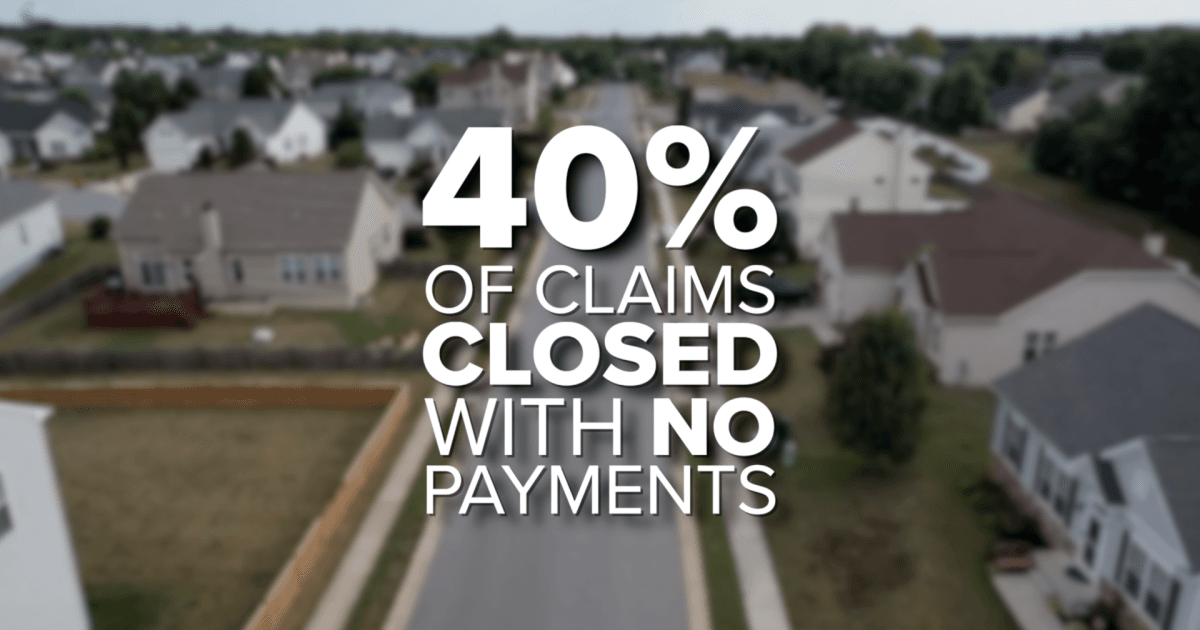
Florida’s average homeowner insurance premium has soared to $5,838 a year—almost $3,000 above the national average—pushing many residents to the financial brink. From tripled premiums to lowball claim payouts, homeowners are speaking out as frustration mounts. Some are even dropping coverage entirely. With more than 40% of claims closed without payment and policy cancellations at record levels, lawmakers are pushing for reforms, but political hurdles remain. The outcome could reshape Florida real estate, insurance, and mortgage markets for years to come.