December Mortgage Outlook: Why Rates Might Have a Mind of Their Own

Stressed woman working on laptop during christmas season

As people settle in with hot chocolate and sparkling holiday lights, the financial world is preparing for something a bit less cozy: rising mortgage rates. If November’s unpredictable swings set the stage, December appears ready to follow — and possibly climb a little higher. The market may be festive, but it’s not exactly predictable.

Source inspiration: Explore full charts, financial breakdowns, and extended analysis at NerdWallet’s report: https://www.nerdwallet.com/mortgages/news/mortgage-outlook-december-2025

The Fed’s December Meeting: All Eyes on the Talking Heads

Analysts hoped that the Federal Reserve’s December 9–10 meeting would bring clarity — maybe even a rate cut. But here’s the twist: any early‑month dips influenced by the meeting won’t last long. Once lenders digest the Fed’s decision, their focus shifts toward 2026, where uncertainty is already brewing.

The challenge? Fed members aren’t harmonizing. Some are focused on persistent inflation, others on a cooling labor market. This mixed messaging injects hesitation — and tension — into lender decisions.

Fun fact: In November, mortgage rates bounced depending on which Fed official spoke — sometimes swinging 24 basis points in just 24 hours.

This inconsistency makes forecasting feel a lot like meteorology: you check the radar, you plan your day, and then the whole thing shifts before you step outside.

The Data Delays That Could Push Rates Higher

This month adds an extra wrinkle: two major economic reports are delayed — the third‑quarter GDP report and the November Personal Consumption and Expenditures Index. Without those, skeptical Fed members may become even more vocal.

And when they talk, markets listen — often pushing mortgage rates upward.

What Other Forecasters Expect

The Mortgage Bankers Association and Fannie Mae both anticipate the average 30‑year mortgage rate to sit around 6.3% for the last quarter of 2025. Considering rates averaged 6.24% through November, this signals one thing: December may see a slight uptick to fit projections.

A Look Back at November

Experts predicted rising rates — and they were right. But the journey wasn’t smooth. Freddie Mac data shows a gradual upward crawl, with 30‑year mortgages ticking from 6.17% to 6.23% by month’s end.

With so many variables — delayed data, Fed debates, shifting economic winds — December is poised to mirror November, but with a bit more upward pressure.

What This Means for Real Estate and Mortgage Professionals

Volatile markets can be stressful, but they also create opportunity for those who are informed and proactive. At Cameron Academy, we’ve watched thousands of Florida professionals — from real estate agents to mortgage loan originators — turn uncertainty into strategic advantage through strong education.

If you’re planning to enter real estate, mortgage lending, or finance in 2026 — or you want to strengthen your expertise — education becomes your competitive edge. Understanding rate movements allows you to guide clients with confidence and clarity.

Stay curious, stay informed, and stay ahead — the market always rewards the prepared.

More Articles

Getting licensed or staying ahead in your career can be a journey—but it doesn’t have to be overwhelming. Grab your favorite coffee or tea, take a moment to relax, and browse through our articles. Whether you’re just starting out or renewing your expertise, we’ve got tips, insights, and advice to keep you moving forward. Here’s to your success—one sip and one step at a time!

Mortgage Rates Drop for the Holidays, but Homebuyers Aren’t Budging

The average 30-year mortgage rate slipped to 6.18% just before Christmas, offering a small break from last year’s higher levels. Yet despite the improvement, mortgage applications for purchases and refinances have fallen to a three‑month low as buyers remain cautious. With mixed rate movements, fluctuating Treasury yields, and affordability challenges still weighing on first‑time buyers, the market is showing signs of stability but not momentum. Real estate professionals who stay informed on these shifting conditions will be best positioned to guide clients in 2026.

Premium U.S. CRE Soars as Smaller Markets Slide: A New Two‑Tier Reality Takes Hold

New CoStar data shows a widening split in the U.S. commercial real estate market, with high-value office towers, industrial hubs and major retail assets posting steady gains while smaller properties in secondary markets continue to lose ground. Premium assets logged their sixth straight monthly price increase in November, boosted by falling interest rates and limited new construction, while lower‑tier properties saw continued price declines and weakening demand.

Microsoft’s New Licensing Overhaul Hits Healthcare Budgets: What Leaders Must Prepare For Now

Microsoft has eliminated long‑standing volume discounts on cloud services like Microsoft 365, Power BI, Intune and Defender, meaning healthcare organizations will soon pay the same price per seat whether they purchase 100 or 10,000 licenses. With the change taking effect at renewal, hospitals and health systems must begin auditing unused licenses, right‑sizing staff tiers, and re‑evaluating digital workflows to avoid major cost spikes. CDW is stepping in with advisory support, cost‑optimization tools, and flexible CSP options to help organizations navigate the transition before budgets tighten further.

Where America Is Building the Most Homes in 2026 — And Why It Matters to Your Career

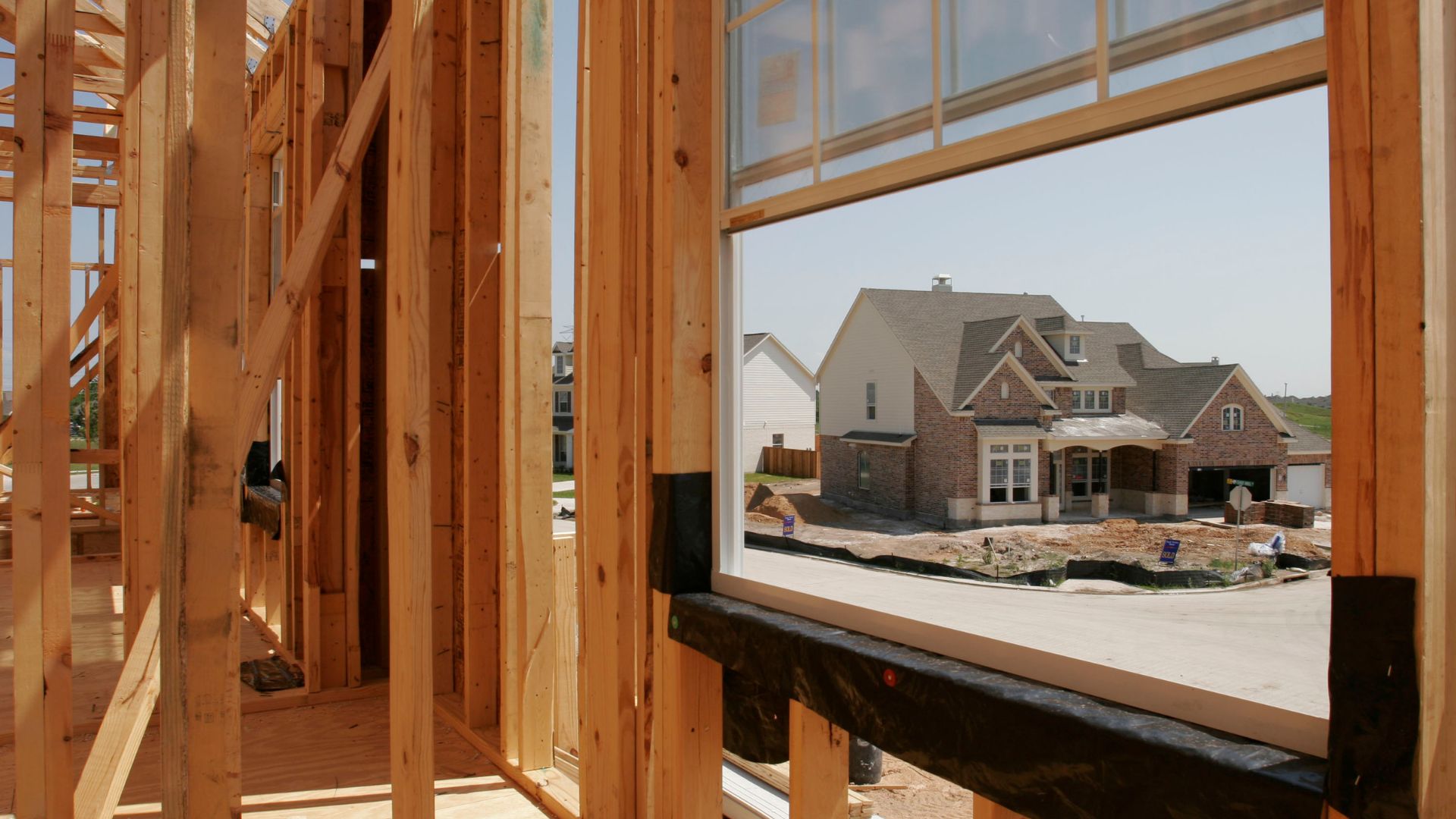
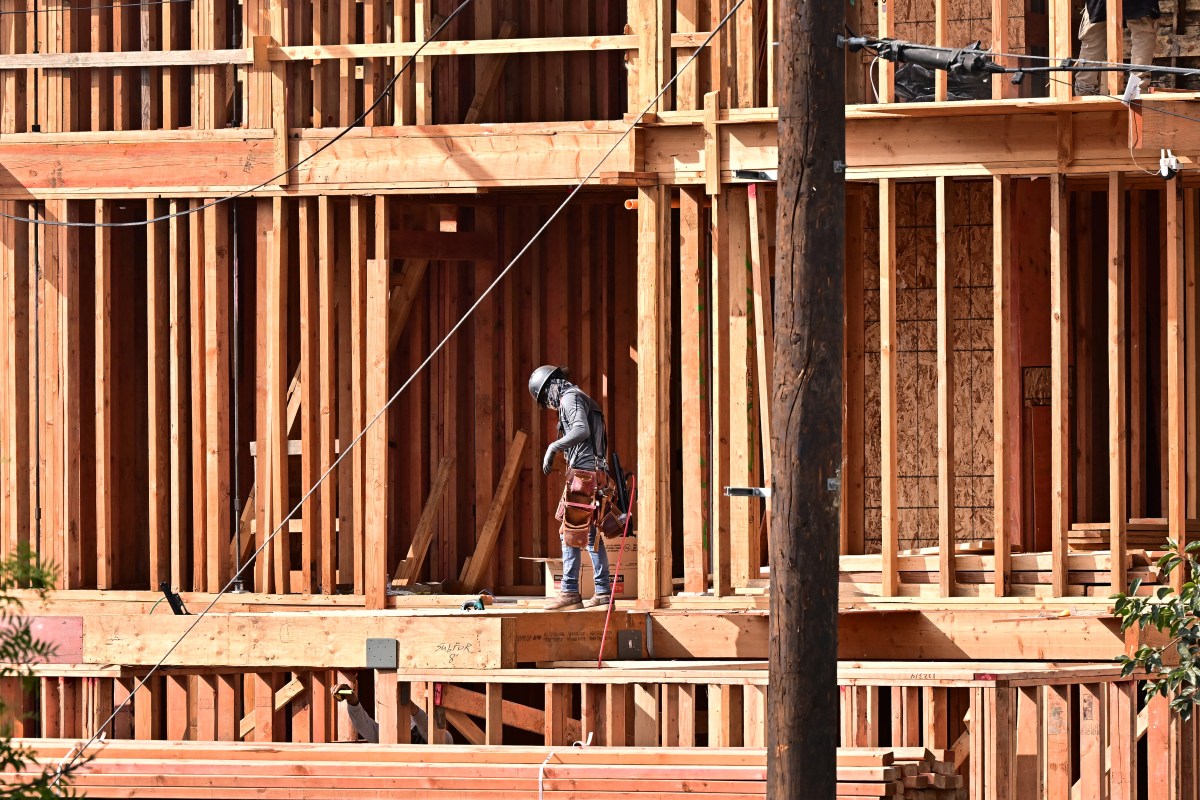
America is still short nearly 2.8 million homes, and in 2026 the states driving the bulk of new construction are once again Florida and Texas. With the South producing more than half of all new building permits nationwide, these regions are shaping the future of inventory, affordability, and opportunity. For real estate, mortgage, insurance, and finance professionals, the surge in Southern homebuilding—especially in Florida—signals expanding career potential as new inventory enters the market and demand for licensed experts continues to rise.

Irondequoit Tops the List as America’s Most Competitive Housing Market

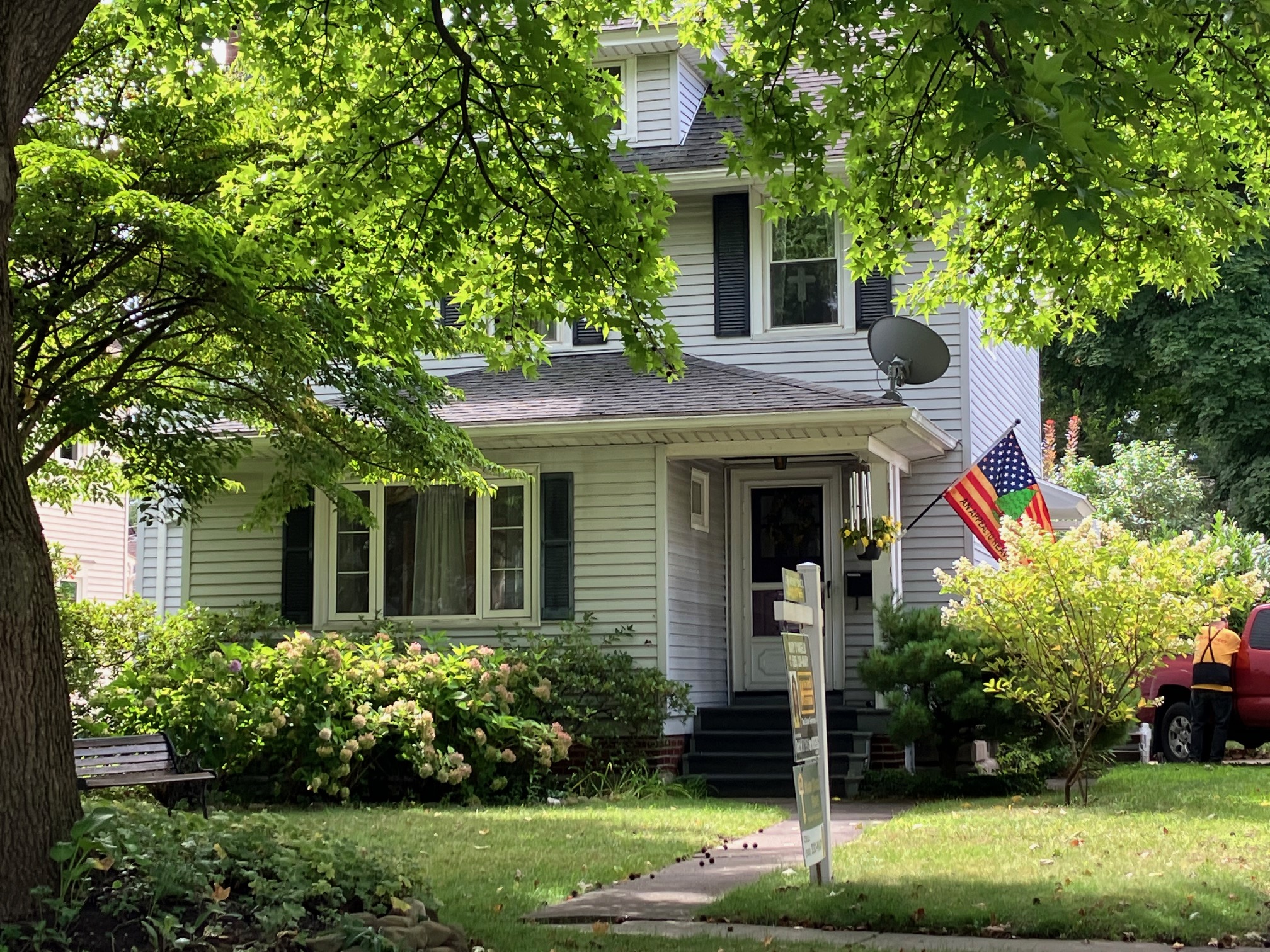
A new Redfin report crowns Irondequoit, New York as the nation’s most competitive housing market, with homes selling in just 8.5 days and often above asking. Priced at a median of $249,132, the lakeside suburb is drawing buyers seeking affordability and speed. The surprising lineup of competing markets—from Bay Area tech hubs to Rust Belt metros—highlights a shifting post‑pandemic housing landscape where affordability pressures and regional disparities continue to shape buyer behavior.

Alaska Tightens TPA Licensing Rules Ahead of 2026: Key Changes Professionals Must Prepare For

Alaska has overhauled its Third Party Administrator licensing rules, eliminating major long‑standing exemptions and pulling many previously exempt organizations into full licensing requirements starting January 1, 2026. Under Senate Bill 132 and Bulletin B 25‑09, TPAs must now review their operations, prepare documentation, and monitor upcoming state guidance as Alaska moves toward stricter oversight and stronger consumer protection.