Zillow’s Quarterly Survey on Homeowners Selling: Unveiling Crucial Market Trends
Are you aware of how mortgage rates can impact your real estate investment decisions? Understanding these dynamics is key to securing a prosperous future in the real estate sector. This is where our online courses at Cameron Academy step in, arming you with the knowledge you need to navigate this complex landscape effectively.
Today, we take a deep dive into insights from Zillow’s Quarterly Survey, revealing that homeowners are twice as likely to sell if interest rates rise above 5%. This discovery not only sheds light on home selling patterns in relation to interest rates, but also offers a unique perspective on market trends that could dramatically impact your investment choices. The findings offer an indispensable guide for both seasoned professionals and newcomers in the field of real estate.
There’s a recognized shortage of homes for sale nowadays, a trend that can be partially attributed to the chronic under-building post the housing crash. On top of this, current higher mortgage rates, just under 7% as per Freddie Mac, are influencing homeowners’ selling decisions. With a key driving force behind this shortage being the record-low interest rates that homeowners are hesitant to let go, it’s time to explore the effect of interest rates on home selling.
Education is crucial in not only understanding these trends but also leveraging them to your advantage. So, whether you are a real estate investor, homeowner, or a professional aiming to expand your knowledge about the real estate market, you are at the right place. Join Cameron Academy’s online course today to uncover the secrets behind smart real estate investing.
Read on to dissect key insights and make informed decisions, backed by expertise unleashed on Cameron Academy, an engaging platform for professionals. We’re here to help you understand – one course, one exam at a time!
Key Facts and Points: Zillow’s Quarterly Survey on Homeowners Selling
Before we delve deeper, let’s summarize some crucial findings from Zillow’s recent survey. These insights underpin the impact of interest rates on property owners’ decision making, shaping the landscape of the real estate sector:
- Homeowners with rates under 5% are half as likely to consider selling their homes in the next few years.
- Nearly 40% of homeowners with rates over 5% reveal plans to sell soon.
- Only 23% of all homeowners are considering selling their homes within the next three years.
Further Details: Understanding the Effect of Interest Rates on Home Selling
In our comprehensive courses at Cameron Academy, we dive into the nuances of how economic factors such as interest rates significantly impact property selling decisions. As per Zillow’s survey, soaring rates have led homeowners to retain their low-rate mortgages, often reluctant to trade them for the option of a higher-rate one. This phenomenon resonates especially with about 80% of homeowners benefiting from rates under 5%—a third of whom enjoy rates even under 3%.
Helpful Information: Impact of Mortgage Rates on Real Estate Market
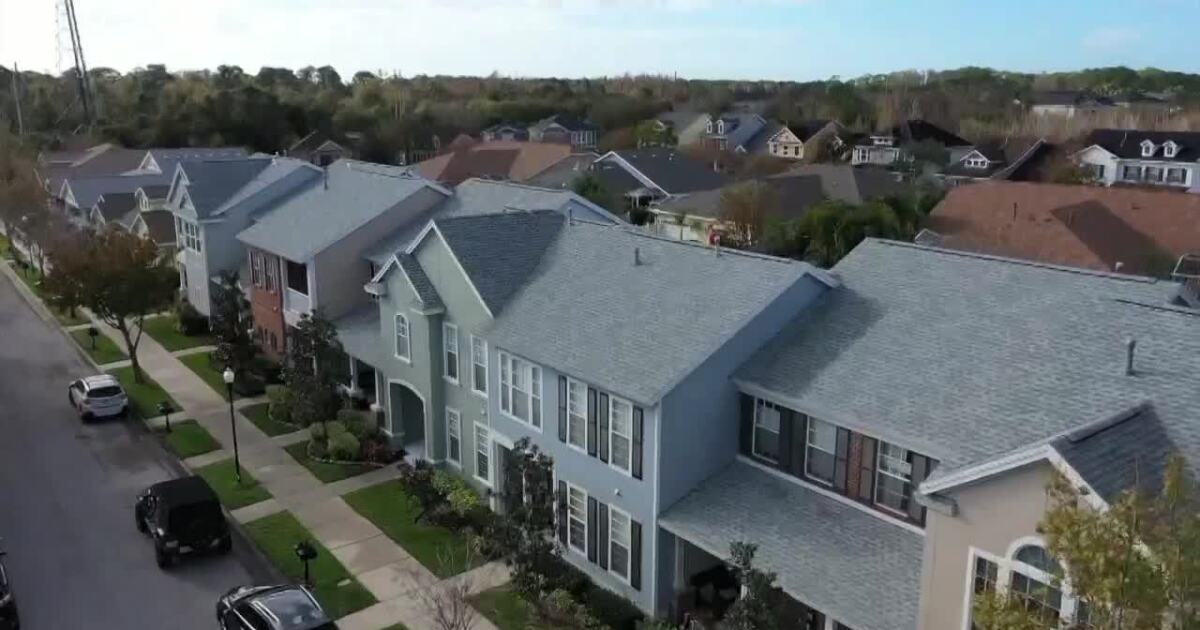
Looking around, you may notice fewer “For Sale” signs in front yards. While this could be due to various factors, the key driver behind the shortage is the record-low interest rates that homeowners are reluctant to give up. This hesitancy has created a ripple effect across the real estate market, exacerbating the shortage of homes for sale and keeping home prices high, even amidst instances of new home construction.
At Cameron Academy, our courses aim to educate readers on such market trends, empowering them with vital information that will help them navigate and make informed decisions in the ever-evolving real estate industry.
Additional Notes: Homeowners’ Response to High Interest Rates & Real Estate Market Correction Factors
As Zillow’s survey indicates, many homeowners have plans to ride out high-interest rates, waiting for the right moment to sell. The market currently presents a tough challenge for home shoppers who face a selection quandary and pressure from rising prices. However, lenders, brokers, or anyone facing their Mortgage exam can benefit immensely from understanding these components and adapting to the changing real estate market. This awareness will equip them to better advise their clients and provide invaluable service.
With higher rates becoming the new normal, a key takeaway from our professional courses at Cameron Academy is to stay ahead of the curve and adapt. As the market adjusts, inventory might increase, potentially curtailing or even reversing the rising home prices. However, the question remains – are we on the verge of another market correction? Our dedicated courses and resources aim to keep you informed about these pivotal factors, ensuring you stay one step ahead in your real estate journey.
Conclusion: Navigating the Changing Tides
The Zillow survey underscores the complex relationship between mortgage rates and homeowners’ selling decisions, palpably demonstrating how higher rates have the potential to sway homeowners’ choices. As mortgage rates maintain their elevation, it’s clear that the real estate landscape is shifting. Homeowners are becoming more willing to list their properties, indicating a possible end to the ‘lock-in’ effect sooner than anticipated and setting the stage for potential future market corrections. How this will unfold remains to be seen, making it a time of intrigue especially for real estate investors, brokers, and professionals.
In these changing times, it’s more important than ever to stay informed and educated about the real estate market. The need for comprehensive understanding and application of real estate principles, Mortgage practices, correct Insurance information, and more is paramount to negotiate the real estate, Mortgage, and Insurance Industry’s dynamic terrain successfully.
Final Remarks
Despite potential rates remaining similar, the number of homeowners willing to list their property is fluctuating as they adjust to the economic environment. With demand being tamped down by mortgage rates, it begs the question: could we be looking at another market correction? Navigating through such market turbulence, arming yourself with up-to-date knowledge becomes your real compass. That’s where Cameron Academy steps in.
At Cameron Academy, we aim to offer professionals a robust platform to harness these market challenges and turn them into opportunities. As specialists in online professional education, our detailed courses are designed to empower you with an in-depth grasp of real estate. We help you approach your professional exams with confidence and support you in accelerating your career growth in real estate, mortgage, insurance, and more.
Ready to advance in your professional journey and navigate the changing real estate market landscape successfully? Join Cameron Academy today, the one-stop solution for online professional exams, courses, and licensing. Dive into our world where learning meets expertise – one course, one exam at a time. Invest in your knowledge, and make a mark in the industry!