Decoding India’s Housing Future: Trends Driving Residential Real Estate in 2025
In a rapidly evolving landscape, India’s residential real estate market stands on the cusp of a major transformation. With a bold ambition to achieve a $40 trillion GDP by 2047, the sector is being positioned as a vital engine of economic growth. As the nation gears up to construct 100 million homes by the end of this decade, 2025 is set to be a pivotal year for housing development.
According to The Tribune, several key trends are expected to dominate the sector, including the adoption of technology, customized housing demand, and sustainability. These trends are driven by a combination of government policies, rising incomes, regional diversification, and technological advancements.
Government Policies Driving Housing Development
India’s aspiration to achieve a $40 trillion GDP by 2047 puts the housing sector at the forefront of national economic growth. Initiatives such as the Pradhan Mantri Awas Yojana (PMAY), aimed at providing affordable housing for all, play a crucial role in promoting homeownership. Moreover, tax benefits and infrastructure development projects, like smart cities, create favorable conditions for buyers and developers alike.
The Rise of Customized Housing
One of the defining trends for 2025 is the increasing demand for customized housing solutions. Moving away from standardized apartments, these homes offer flexibility in design, privacy, and alignment with homeowners’ unique needs. This shift is particularly driven by affluent buyers and multi-generational families seeking personalized spaces.
Advancements in modular construction, digital design platforms, and virtual reality tools empower homeowners to actively participate in the design process. Reports indicate a growing preference for bespoke living spaces, with many homebuyers prioritizing individuality, functionality, and premium finishes.
Sustainability Takes Centre Stage
Sustainability has emerged as a key driver in the residential real estate sector. Growing environmental awareness has led both developers and homeowners to prioritize green construction practices. This includes the use of renewable materials, energy-efficient technologies, and homes designed with lower carbon footprints.
Government initiatives like the Energy Conservation Building Code (ECBC) and incentives for renewable energy adoption are making sustainable housing more accessible. By prioritizing eco-friendly practices, stakeholders are contributing to reduced carbon footprints while reaping long-term economic and environmental benefits.
Technology Enabling Organization of a Fragmented Sector
The need for 100 million homes within the decade highlights the necessity for more organized and accountable practices in the construction industry. Traditionally fragmented, the sector is now undergoing a shift toward structured operations, largely driven by technology adoption.
AI-driven project management tools, real-time progress tracking systems, and automated workflows are streamlining processes, enhancing transparency, and ensuring adherence to timelines and budgets. This technological shift is crucial as demand for housing surges and urban areas struggle to keep pace with infrastructure and service requirements.
Affordability and Regional Shifts
Rising incomes, coupled with government incentives, are improving housing affordability and accessibility. While affordable housing continues to dominate urban markets, Tier-2 and Tier-3 cities are emerging as attractive alternatives for homebuyers. Improved infrastructure, lower living costs, and the availability of larger plots make these regions ideal for families seeking more spacious and customized living options.
According to a report by Knight Frank, Tier-2 and Tier-3 cities accounted for nearly 40% of residential real estate sales in 2023, driven by factors such as better connectivity through smart city initiatives and the expansion of transport corridors like Bharatmala and Sagarmala projects.
The Future of Housing: 2025 is the Pivotal Year
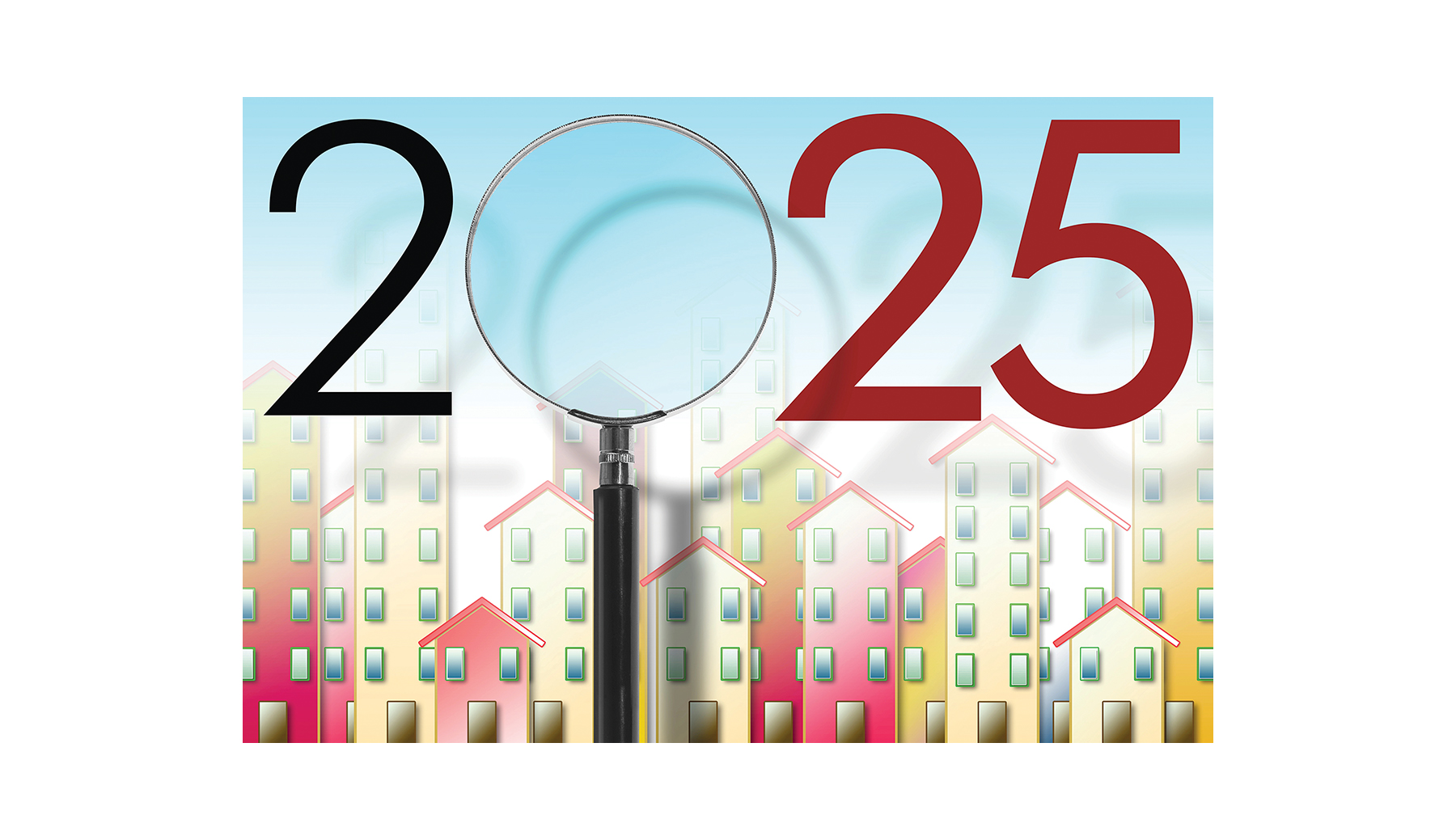
2025 is poised to redefine residential real estate in India. Custom-built homes are leading the way, offering homeowners the ability to create spaces that reflect their individuality while meeting the demands of modern living. As the industry becomes more organized and technology-driven, the dream of owning a sustainable, personalized home is more accessible than ever.
By addressing the challenges of affordability, sustainability, and scalability, the construction sector is laying the foundation for a housing ecosystem that aligns with the aspirations of New India.

 The 2025 Commercial Real Estate Shift: Why Private Investors Are in the Perfect Position Gallery