
In a revealing study by USC, the roots of the current housing crisis in the United States are traced back to policy missteps and demographic changes that have been unfolding since the early 2000s. The study highlights how these factors have left millennials and people of color disproportionately affected. The housing shortage, now at a deficit of over 4.5 million homes, has been exacerbated by natural disasters such as the recent wildfires in Los Angeles.

Dowell Myers, a professor at the USC Price School of Public Policy, underscores the impact of a tightly constrained housing supply on resilience against disasters. “A lack of flexibility in housing stock could rapidly intensify gentrification,” Myers warns, as relocations from disaster-stricken areas strain the existing housing market. For more insights from Myers, visit his profile.

California wildfire

The study, published in the Russell Sage Foundation Journal of the Social Sciences, critiques the policy decisions post-2008 recession that inadvertently tightened mortgage lending standards and limited new construction. These measures, intended to prevent another housing bubble, occurred just as millennials entered the housing market, leading to a historic low in construction.

A Crisis Decades in the Making

The research identifies several key factors contributing to the crisis:

  • Severe underestimations of millennial demand: Policymakers misjudged the housing needs of millennials, which only became evident after a surge in demand post-2016.
  • Overlooked “age waves”: The impact of demographic shifts, particularly millennials reaching home-buying age, was not adequately considered.
  • Forgotten lagging effects: The long-term effects of past policy decisions were ignored, leading to current mismatches in housing supply and demand.
  • Flawed demand measurements: Current methods fail to account for potential households unable to form due to housing shortages.
  • Misunderstood homeownership trends: The decline in homeownership post-recession was misinterpreted as a permanent shift in preferences.

Racial Disparities in Homeownership Recovery

The USC study also highlights racial disparities in homeownership recovery. While white homeownership rates showed some improvement by 2021, Black Americans faced a much larger gap, with homeownership still significantly lower than expected. Hispanics, however, saw a substantial recovery, even exceeding expected levels by the end of the study period.

Myers emphasizes the need for targeted interventions to address systemic barriers and ensure equitable access to housing. “Without proactive policy, we risk not only falling short of meeting demand but also being unprepared for climate-driven disasters,” he states.

For further details, the full report is available here. The study is a stark reminder of the consequences of overlooking demographic trends and the necessity for foresight in housing policy.

More Articles

Getting licensed or staying ahead in your career can be a journey—but it doesn’t have to be overwhelming. Grab your favorite coffee or tea, take a moment to relax, and browse through our articles. Whether you’re just starting out or renewing your expertise, we’ve got tips, insights, and advice to keep you moving forward. Here’s to your success—one sip and one step at a time!

Revolutionizing Real Estate: Lead Generation Trends for 2024

Discover how AI and predictive analytics are transforming the real estate industry, paving the way for unparalleled success in lead generation for 2024.

By |October 9, 2024|Categories: Article, Real Estate|Tags: |0 Comments

2024’s Real Estate Outlook Shaped by Cutting-Edge Technologies

Explore how technology is redefining commercial real estate in 2024, with a focus on hybrid work structures, smart building innovations, and AI-enhanced cybersecurity.

By |October 9, 2024|Categories: Article, Real Estate|Tags: |0 Comments

Real Estate Evolution: Mastering Buyer Lead Generation for 2024

Unlock the secrets to capturing first-time homebuyer leads with strategic, multi-tiered marketing approaches and advanced CRM tools. Stay ahead in the 2024 real estate game by building lasting client relationships and embracing cutting-edge technologies.

By |October 9, 2024|Categories: Article, Real Estate|Tags: |0 Comments

Navigating the Best Online Real Estate Schools in Florida: Top Picks for 2024

Uncover the best online real estate schools in Florida with HousingWire's expert analysis, highlighting top contenders like The CE Shop and Aceable Agent to kickstart your career in the Sunshine State.

By |October 9, 2024|Categories: Article, Real Estate Education|Tags: |0 Comments

Navigating Real Estate License Renewals: Top Continuing Education Picks for 2024

Discover the top online real estate schools for continuing education in 2024, ensuring smooth license renewals for agents across all 50 states. From Colibri's intuitive platform to the affordable Aceable Agent, explore options that fit your budget and learning style.

By |October 9, 2024|Categories: Article, Real Estate|Tags: |0 Comments

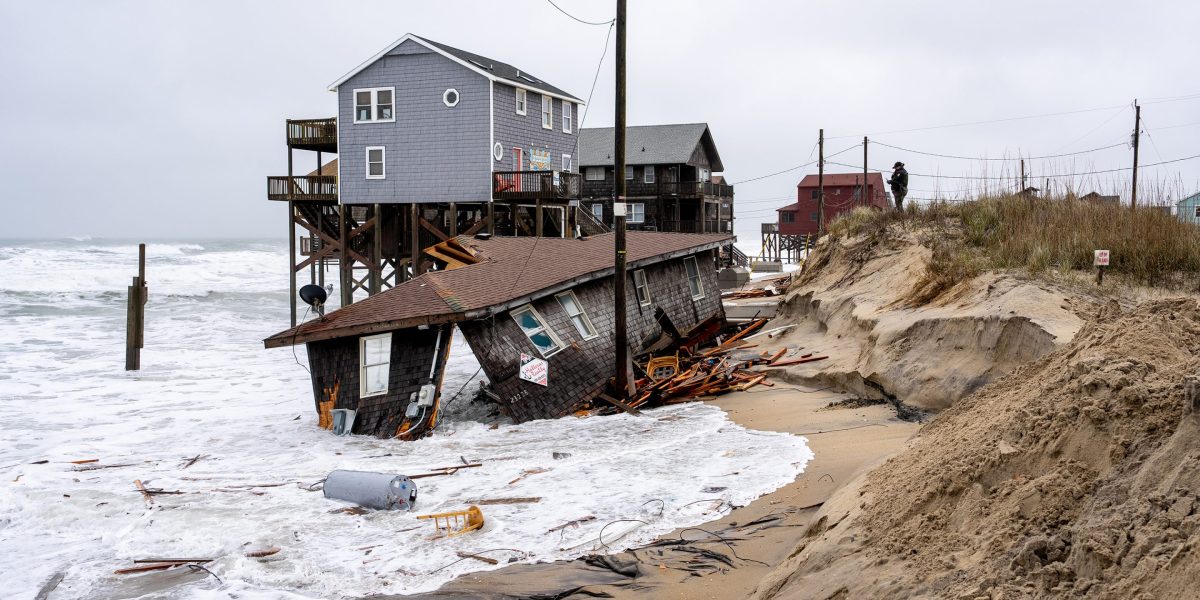
Rising Tides: The Precarious Allure of Oceanfront Living Amid Climate Change

Discover how the irresistible charm of North Carolina's Outer Banks is clashing with the harsh reality of climate change, as rising sea levels threaten coastal homes and reshape the real estate market.


By |October 9, 2024|Categories: Climate Change|Tags: |0 Comments