In a bold move to reshape its marijuana industry, Delaware is turning the tables on its past. Individuals with prior marijuana convictions, once penalized by the system, now find themselves at the forefront of a burgeoning legal market. This shift comes as the state prepares to issue social equity licenses, aimed at those who have been disproportionately affected by past marijuana laws.

Kwadzo Watson and Matthew Rall, both previously charged with marijuana-related offenses, are now eyeing a legitimate future in cannabis cultivation and sales. Joining them is Anthony Fairley, a longshoreman from Wilmington, who, despite a clean record, has witnessed the heavy hand of marijuana arrests in his community. These individuals, along with others, may soon benefit from Delaware’s progressive licensing initiative.

The state, since legalizing personal-use quantities for adults over 21 in April 2023, is now in the process of establishing a regulated market for cultivation, manufacturing, testing, and retail. Of the 125 licenses available through the Office of the Marijuana Commissioner, 47 are reserved for social equity applicants. The application fee for these licenses is set at a reduced rate of $1,000, compared to $5,000 for standard licenses.

To qualify, applicants must hold at least a 51% ownership in the proposed business and meet specific criteria, such as residence in a disproportionately impacted area or a prior conviction for a marijuana-related offense. The state has provided a map to help potential applicants determine their eligibility based on their address.

Delaware’s approach is not just about issuing licenses but also about equipping applicants with the necessary tools to succeed. Workshops are being held to educate potential licensees on the intricacies of the cannabis industry, covering areas such as banking, tax, real estate, insurance, and legal considerations.

Paul Hyland, Deputy Marijuana Commissioner, emphasized the importance of empowering applicants with knowledge to prevent exploitation and financial waste. “We want to spread information and give resources so that the social equity applicants don’t waste money and don’t get taken advantage of,” he told WHYY News.

As the application process gears up, the state anticipates up to 200 applicants vying for the 47 social equity licenses. Watson, who plans to apply for licenses in cultivation, manufacturing, and retail, expressed amazement at the opportunity to legally engage in a business that once required secrecy.

The legislative landscape is also evolving, with a bill in the works to provide grants to social equity licensees. This funding could be pivotal for applicants like Rall, who is securing investors while considering the potential grants. The bill, if passed, would allow current medical marijuana licensees to transition to recreational licenses for a fee, a move that has sparked some controversy but is seen as a way to expedite the start of recreational sales.

Fairley, meanwhile, is exploring the industry as a means to supplement his income, recognizing the challenges posed by financial constraints and regulatory hurdles. “It’s not going to be an easy process,” he noted, highlighting the need for personal funding or investment due to banking restrictions on cannabis businesses.

Jennifer Stark, CEO of The Farm, a medical grower and retail company, advised prospective applicants to prepare for the industry’s challenges. “Plan for the worst, hope for the best,” she said, stressing the importance of capital and strategic partnerships.

Delaware’s initiative represents a significant step in addressing past injustices while fostering economic opportunities in a rapidly growing industry. As the state moves forward, it sets a precedent for balancing regulation with social equity.

More Articles

Getting licensed or staying ahead in your career can be a journey—but it doesn’t have to be overwhelming. Grab your favorite coffee or tea, take a moment to relax, and browse through our articles. Whether you’re just starting out or renewing your expertise, we’ve got tips, insights, and advice to keep you moving forward. Here’s to your success—one sip and one step at a time!

Phoenix Housing Market Surges Ahead of the Nation in 2025

The Phoenix housing market continues to outperform the rest of the country, posting stronger sales, rising equity, and an influx of qualified buyers. With closed sales, pending sales, new listings, and median prices all trending upward, the Valley is outpacing national growth by a wide margin. City‑level data shows impressive strength across Scottsdale, Goodyear, Gilbert, Phoenix, and more—making 2025 a powerful year for agents, investors, and professionals watching the Arizona market.

20 High-Demand Jobs to Watch as 2026 Approaches — Major Events Are Fueling New Opportunities

With the 2026 FIFA World Cup and America’s 250th birthday celebrations on the horizon, the U.S. job market is gearing up for a surge across multiple industries. Seasonal, flexible, and part‑time roles are expected to rise—especially for workers 50+ who have struggled in a cooling labor market. From accounting and HR leadership to event staffing and delivery driving, major cities are preparing for increased hiring tied to tourism, infrastructure, and yearlong national celebrations. Many of these fast‑growing roles connect directly to licensing and certification pathways, giving professionals new chances to pivot or upskill through programs offered by Cameron Academy.

New Florida Laws Taking Effect January 1, 2026: Key Updates for Professionals

Florida is rolling out a new wave of laws on January 1, 2026 that will impact professionals in real estate, insurance, healthcare, education, and other regulated industries. From new insurance rules and healthcare billing requirements to condo association deadlines and statewide databases, these updates reshape compliance expectations across the state. Whether you work in property, finance, or public‑facing services, understanding these changes is essential for staying aligned with Florida’s evolving regulations.

Commercial Real Estate Pros Are Almost All Bullish on 2026

Nearly every commercial real estate professional is expecting a stronger year ahead, with 97% predicting increased or stable activity in 2026, according to Avison Young’s latest outlook. Confidence has surged dramatically since mid‑2025 as strong sales, anticipated rate cuts, and improving fundamentals across key sectors signal that CRE recovery and growth may finally be taking hold.

Dallas‑Fort Worth’s 2025 Boom: The Metroplex Redefining U.S. Growth

Dallas‑Fort Worth is finishing 2025 as the nation’s top real estate and business powerhouse, fueled by corporate relocations, a dominant industrial sector, infrastructure megaprojects, and a rapidly evolving workforce landscape. From data center expansion to the launch of the DART Silver Line, the region continues to outpace national trends—while also confronting a growing demand for skilled professionals and licensed talent across construction, real estate, and technical fields.

FEMA and NJDEP Unveil New Morris County Flood Maps, Triggering Key Changes for Property Owners and Professionals

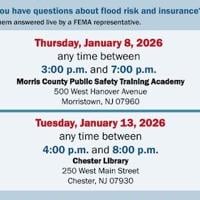
FEMA and the NJDEP have released revised preliminary flood maps for Morris County, reshaping how homeowners, real estate agents, insurers, and mortgage professionals assess flood risk. The updated FIRMs may shift properties into or out of higher‑risk zones, affecting insurance requirements, closing processes, and long‑term property values. With public review and appeals ahead, industry professionals are urged to study the changes now and prepare clients for potential impacts.