In a bold move to reshape its marijuana industry, Delaware is turning the tables on its past. Individuals with prior marijuana convictions, once penalized by the system, now find themselves at the forefront of a burgeoning legal market. This shift comes as the state prepares to issue social equity licenses, aimed at those who have been disproportionately affected by past marijuana laws.

Kwadzo Watson and Matthew Rall, both previously charged with marijuana-related offenses, are now eyeing a legitimate future in cannabis cultivation and sales. Joining them is Anthony Fairley, a longshoreman from Wilmington, who, despite a clean record, has witnessed the heavy hand of marijuana arrests in his community. These individuals, along with others, may soon benefit from Delaware’s progressive licensing initiative.

The state, since legalizing personal-use quantities for adults over 21 in April 2023, is now in the process of establishing a regulated market for cultivation, manufacturing, testing, and retail. Of the 125 licenses available through the Office of the Marijuana Commissioner, 47 are reserved for social equity applicants. The application fee for these licenses is set at a reduced rate of $1,000, compared to $5,000 for standard licenses.

To qualify, applicants must hold at least a 51% ownership in the proposed business and meet specific criteria, such as residence in a disproportionately impacted area or a prior conviction for a marijuana-related offense. The state has provided a map to help potential applicants determine their eligibility based on their address.

Delaware’s approach is not just about issuing licenses but also about equipping applicants with the necessary tools to succeed. Workshops are being held to educate potential licensees on the intricacies of the cannabis industry, covering areas such as banking, tax, real estate, insurance, and legal considerations.

Paul Hyland, Deputy Marijuana Commissioner, emphasized the importance of empowering applicants with knowledge to prevent exploitation and financial waste. “We want to spread information and give resources so that the social equity applicants don’t waste money and don’t get taken advantage of,” he told WHYY News.

As the application process gears up, the state anticipates up to 200 applicants vying for the 47 social equity licenses. Watson, who plans to apply for licenses in cultivation, manufacturing, and retail, expressed amazement at the opportunity to legally engage in a business that once required secrecy.

The legislative landscape is also evolving, with a bill in the works to provide grants to social equity licensees. This funding could be pivotal for applicants like Rall, who is securing investors while considering the potential grants. The bill, if passed, would allow current medical marijuana licensees to transition to recreational licenses for a fee, a move that has sparked some controversy but is seen as a way to expedite the start of recreational sales.

Fairley, meanwhile, is exploring the industry as a means to supplement his income, recognizing the challenges posed by financial constraints and regulatory hurdles. “It’s not going to be an easy process,” he noted, highlighting the need for personal funding or investment due to banking restrictions on cannabis businesses.

Jennifer Stark, CEO of The Farm, a medical grower and retail company, advised prospective applicants to prepare for the industry’s challenges. “Plan for the worst, hope for the best,” she said, stressing the importance of capital and strategic partnerships.

Delaware’s initiative represents a significant step in addressing past injustices while fostering economic opportunities in a rapidly growing industry. As the state moves forward, it sets a precedent for balancing regulation with social equity.

More Articles

Getting licensed or staying ahead in your career can be a journey—but it doesn’t have to be overwhelming. Grab your favorite coffee or tea, take a moment to relax, and browse through our articles. Whether you’re just starting out or renewing your expertise, we’ve got tips, insights, and advice to keep you moving forward. Here’s to your success—one sip and one step at a time!

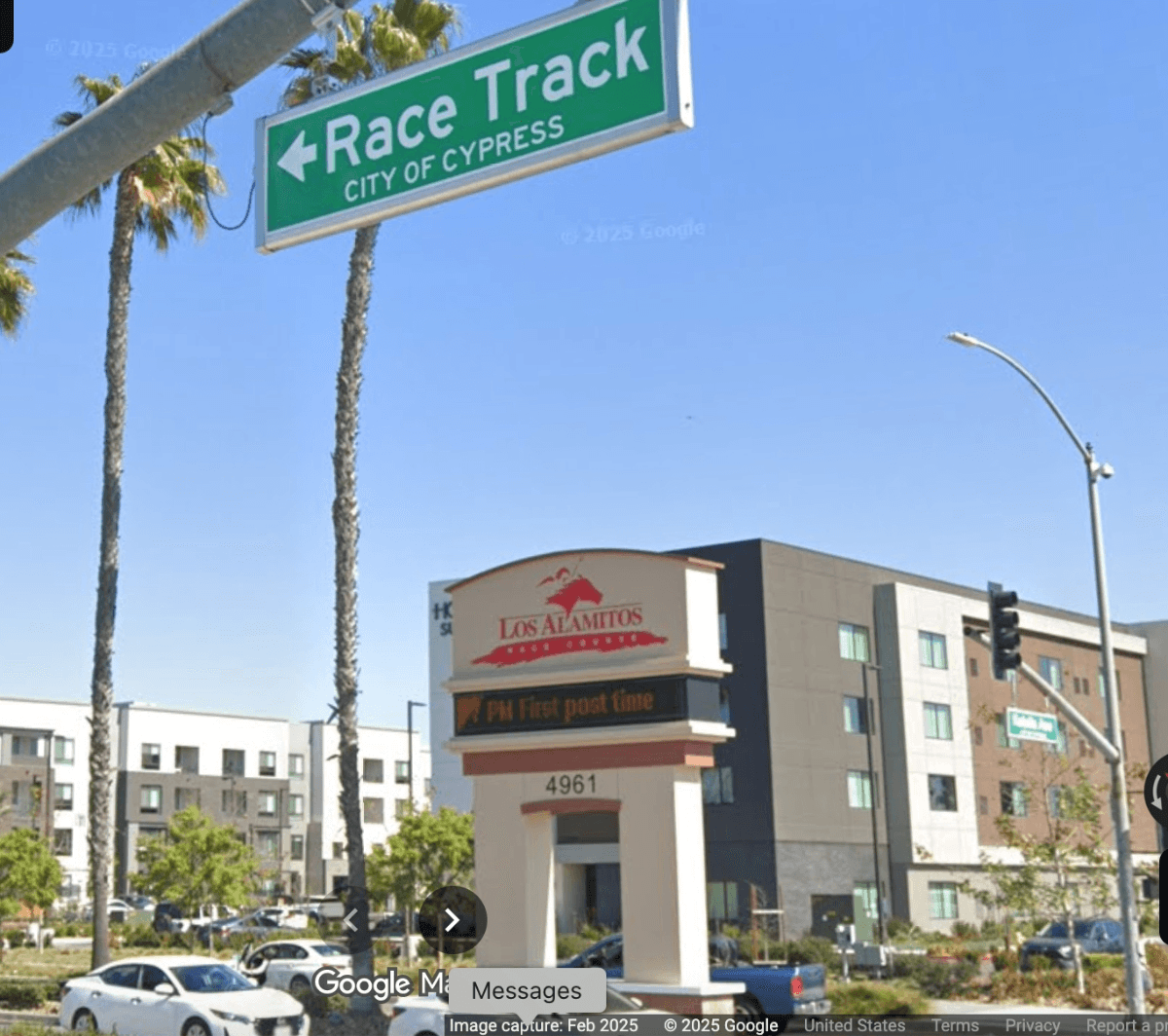
Los Alamitos at a Breaking Point After 18 Racehorse Deaths Spur Emergency Safety Demands

Los Alamitos Race Course is facing its most serious crisis in years after 18 horses died in 2025, prompting regulators to warn the track that its racing license is at risk without immediate safety reforms. Following three catastrophic injuries in a single day, the California Horse Racing Board has ordered urgent changes—including more veterinarians, stricter medication rules, and enhanced on‑track medical support—as pressure mounts for stronger oversight in a sport already under national scrutiny.

Why Canadian Investors Are Flooding U.S. Real Estate Despite Tariffs and Tensions

Canadian investors have poured more than US$5.8 billion into U.S. commercial real estate this year, making the U.S. their top destination even amid a lingering tariff dispute. Tight inventory in Canada and greater deal availability south of the border are driving the trend, with data centers and industrial properties emerging as the hottest targets for 2025.

Florida’s Insurance Chief Warns Homeowners: Most Don’t Understand Their Policies

Florida’s insurance commissioner says even industry pros struggle to read today’s 150‑page homeowners policies—leaving residents shocked when hurricane claims are denied. With rising premiums, high replacement costs, and widespread confusion over exclusions like flood and water damage, the state is pushing for simpler, clearer policy language so homeowners know what they’re actually covered for before the next storm hits.

Post‑Election Power Plays: How Major U.S. Cities Are Quietly Redrawing the Real Estate Map

Following the 2025 elections, major metros like New York, Chicago, Miami, Los Angeles, and Boston are implementing policy shifts that could reshape property values, rental income, development timelines, and investment strategy heading into 2026. From New York’s push toward aggressive rent reform to Chicago’s sustainability mandates and Miami’s uncertain mayoral runoff, these changes signal a new era where local politics increasingly dictate market performance. This breakdown highlights the biggest post‑election real estate pivots and what they mean for investors, agents, and finance professionals preparing for a rapidly evolving landscape.

Florida Insurance Boss Drops a Truth Bomb: Most Homeowners Have No Idea What They’re Actually Covered For

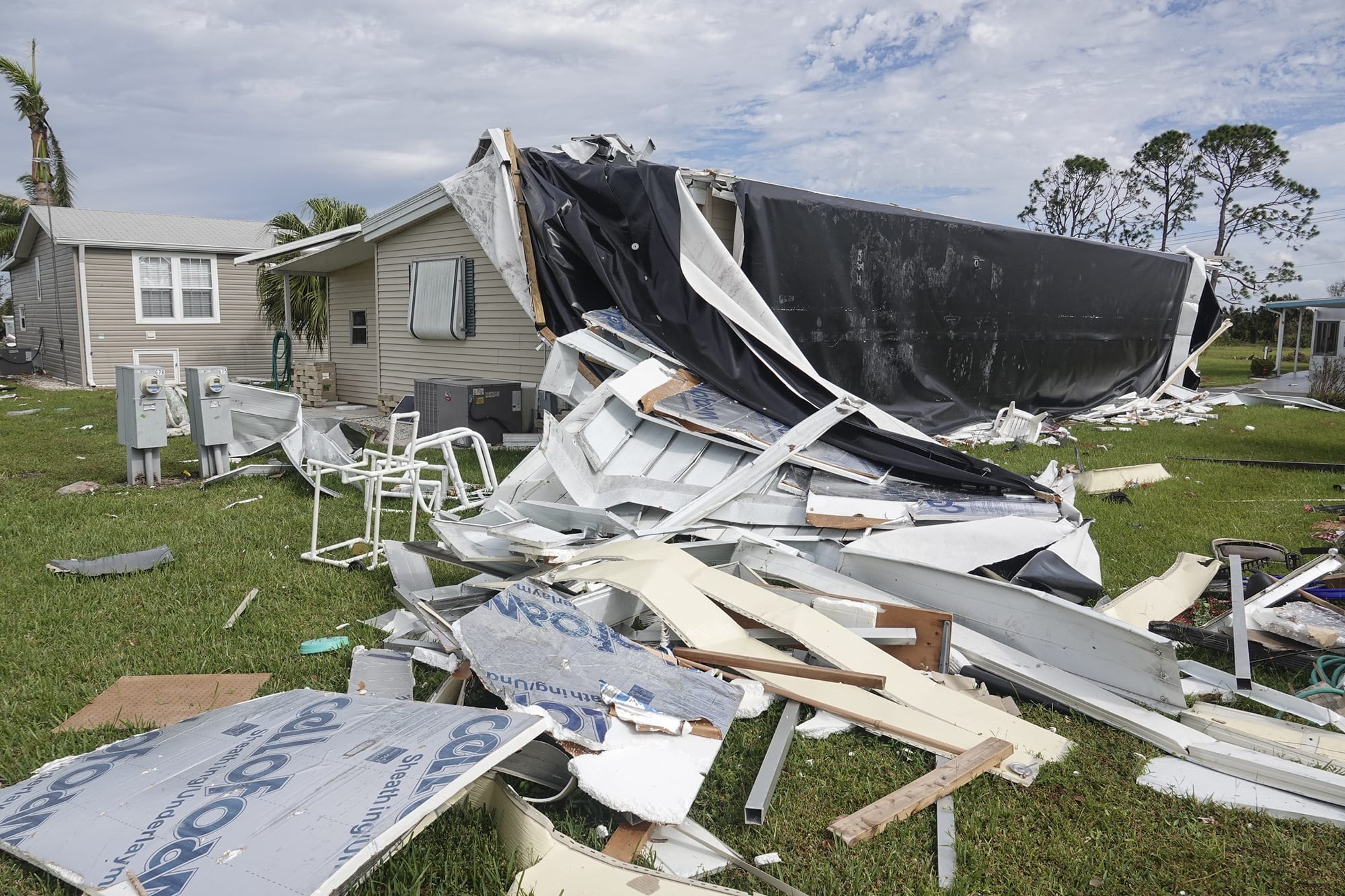
Florida’s Insurance Commissioner is sounding the alarm after thousands of homeowners discovered—only after hurricanes Helene and Milton—that the coverage they thought they had didn’t exist. With nearly 150,000 unpaid claims tied to misunderstood flood exclusions, water‑damage caps, and buried policy clauses, state leaders are pushing to simplify the dense, confusing documents most Floridians never read. As insurance costs remain one of the state’s top concerns, this growing complexity is creating a massive opportunity for real estate, mortgage, and insurance professionals to guide consumers before disaster strikes.

Florida’s Insurance “Fixes” Backfire as Homeowners Face Higher Costs and Riskier Insurers

Florida’s insurance market is reliving an old crisis under a new name. Despite reforms meant to stabilize the system, homeowners are being forced out of Citizens and into pricier policies from small insurers with shaky financial histories. Companies tied to past insolvencies are returning with fresh branding, while highly rated carriers continue to deny a majority of claims. With political influence muddying regulation and climate risks rising, experts warn that only a full structural overhaul—not cosmetic reforms—can restore confidence for homeowners, agents, and the entire real estate market.