In a bold move to reshape its marijuana industry, Delaware is turning the tables on its past. Individuals with prior marijuana convictions, once penalized by the system, now find themselves at the forefront of a burgeoning legal market. This shift comes as the state prepares to issue social equity licenses, aimed at those who have been disproportionately affected by past marijuana laws.

Kwadzo Watson and Matthew Rall, both previously charged with marijuana-related offenses, are now eyeing a legitimate future in cannabis cultivation and sales. Joining them is Anthony Fairley, a longshoreman from Wilmington, who, despite a clean record, has witnessed the heavy hand of marijuana arrests in his community. These individuals, along with others, may soon benefit from Delaware’s progressive licensing initiative.

The state, since legalizing personal-use quantities for adults over 21 in April 2023, is now in the process of establishing a regulated market for cultivation, manufacturing, testing, and retail. Of the 125 licenses available through the Office of the Marijuana Commissioner, 47 are reserved for social equity applicants. The application fee for these licenses is set at a reduced rate of $1,000, compared to $5,000 for standard licenses.

To qualify, applicants must hold at least a 51% ownership in the proposed business and meet specific criteria, such as residence in a disproportionately impacted area or a prior conviction for a marijuana-related offense. The state has provided a map to help potential applicants determine their eligibility based on their address.

Delaware’s approach is not just about issuing licenses but also about equipping applicants with the necessary tools to succeed. Workshops are being held to educate potential licensees on the intricacies of the cannabis industry, covering areas such as banking, tax, real estate, insurance, and legal considerations.

Paul Hyland, Deputy Marijuana Commissioner, emphasized the importance of empowering applicants with knowledge to prevent exploitation and financial waste. “We want to spread information and give resources so that the social equity applicants don’t waste money and don’t get taken advantage of,” he told WHYY News.

As the application process gears up, the state anticipates up to 200 applicants vying for the 47 social equity licenses. Watson, who plans to apply for licenses in cultivation, manufacturing, and retail, expressed amazement at the opportunity to legally engage in a business that once required secrecy.

The legislative landscape is also evolving, with a bill in the works to provide grants to social equity licensees. This funding could be pivotal for applicants like Rall, who is securing investors while considering the potential grants. The bill, if passed, would allow current medical marijuana licensees to transition to recreational licenses for a fee, a move that has sparked some controversy but is seen as a way to expedite the start of recreational sales.

Fairley, meanwhile, is exploring the industry as a means to supplement his income, recognizing the challenges posed by financial constraints and regulatory hurdles. “It’s not going to be an easy process,” he noted, highlighting the need for personal funding or investment due to banking restrictions on cannabis businesses.

Jennifer Stark, CEO of The Farm, a medical grower and retail company, advised prospective applicants to prepare for the industry’s challenges. “Plan for the worst, hope for the best,” she said, stressing the importance of capital and strategic partnerships.

Delaware’s initiative represents a significant step in addressing past injustices while fostering economic opportunities in a rapidly growing industry. As the state moves forward, it sets a precedent for balancing regulation with social equity.

More Articles

Getting licensed or staying ahead in your career can be a journey—but it doesn’t have to be overwhelming. Grab your favorite coffee or tea, take a moment to relax, and browse through our articles. Whether you’re just starting out or renewing your expertise, we’ve got tips, insights, and advice to keep you moving forward. Here’s to your success—one sip and one step at a time!

Malware Trends 2025: The New Era of Subscription‑Based Cybercrime

Cybercrime in 2025 has evolved into a full‑scale service economy, with malware now available through subscription platforms that operate like mainstream tech businesses. Bitsight’s latest analysis reveals explosive growth in Malware‑as‑a‑Service tools, rising attacks across industries like healthcare, finance, tech, and real estate, and a surge in cross‑platform malware and supply‑chain exploits. For professionals in any licensed field, the message is clear: today’s digital landscape demands heightened vigilance, stronger identity security, and proactive defense against an increasingly organized underground threat environment.

The Proptech Revolution: How Gllit Is Making Real Estate Transactions as Simple as Booking a Flight

A new proptech startup in the UAE, Gllit is redefining how property deals happen by removing agents, eliminating commissions, and integrating AI tools that let users create professional listings in seconds. With a fast, transparent, and direct-to-owner model, Gllit offers a glimpse into the future of global real estate — and a powerful case study for U.S. professionals preparing for tech-driven changes in the industry.

2026 Housing Market Outlook: What Buyers, Renters, and Agents Need to Know

The 2026 housing market is shaping up to be a year of stability with a few surprises. Mortgage rates are expected to hold steady, home price growth is slowing, and yet ownership costs continue to rise due to soaring taxes and insurance. Meanwhile, renting is becoming more attractive as affordability improves and built‑to‑rent communities expand. This breakdown highlights the biggest trends ahead — and what they mean for buyers, sellers, and real estate professionals, especially in Florida.

Florida Homeowners Slammed by Soaring Insurance Costs as Lawmakers Push for Major Reform

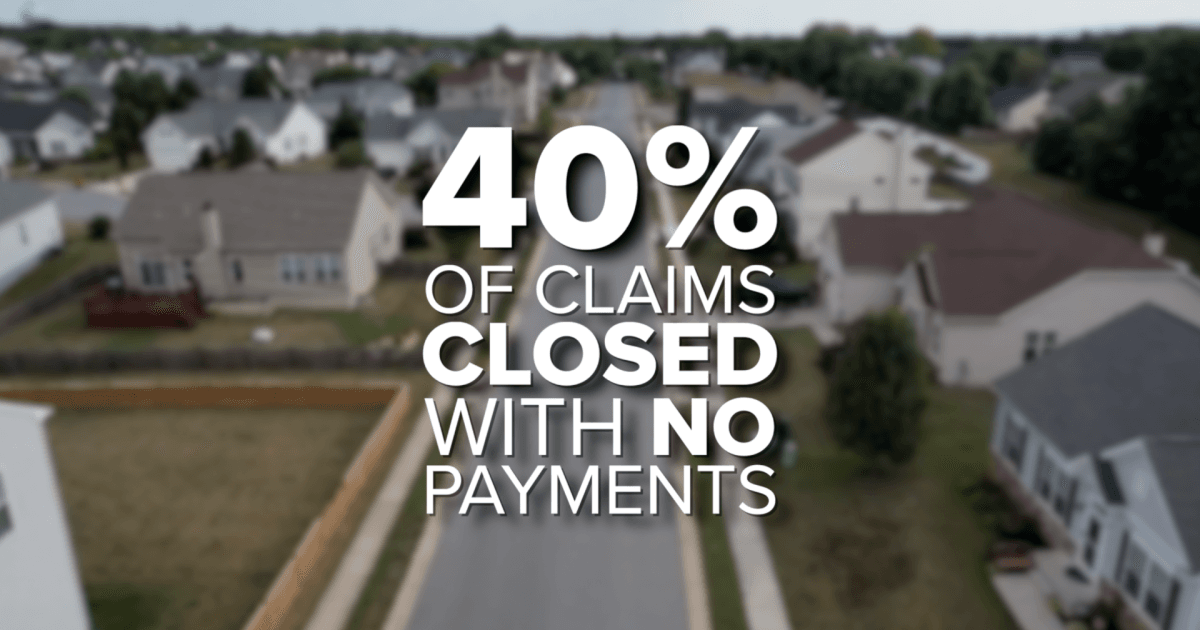
Florida homeowners are facing some of the highest insurance premiums in the nation, with average costs now topping $5,800 per year—about $3,000 above the U.S. average. Many residents report their rates have doubled or even tripled, while more than 40 percent of claims are closed with no payment. As frustration grows, state lawmakers and consumer advocates are pushing for transparency, rate caps, and incentives to help storm‑proof homes. The outcome of these reform efforts could reshape Florida’s real estate market, insurance landscape, and affordability for years to come.

Are Insurance Leaders Stuck in Silos? New Global Study Exposes a Hidden Weakness in Decision‑Making

A new global study from Risk.net and SAS reveals that many insurance companies are still making key decisions in isolated silos, despite industry-wide pushes toward data-driven strategies. While most leaders claim to have a clear vision, 38 percent admit they lack a real-time view of risks, revenue and costs. With poor data quality, limited collaboration and outdated processes holding teams back, experts say the industry is poised for a major transformation through AI, analytics and unified strategy—offering lessons for professionals across insurance, real estate, finance and other regulated fields.

Atlanta Housing Market Outlook 2025–2026: Stability, Rising Inventory, and What It Means for You

Atlanta’s housing market is shifting into a more balanced and predictable phase. Prices have leveled off, inventory has finally caught up, and mortgage rates are easing enough to bring buyers back into the game. With steady demand, growing listings, and only mild price corrections forecasted into 2026, Atlanta remains one of the Southeast’s strongest real estate markets for buyers, sellers, and investors alike.