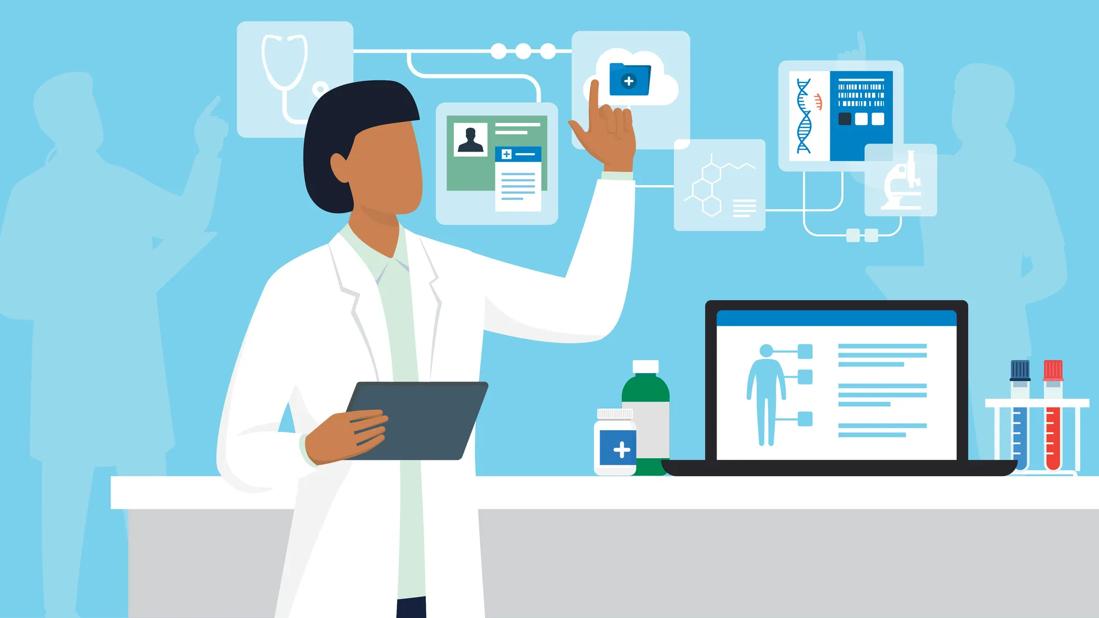
Digital Health Technology: A New Frontier in Medical Education

In a world where Digital Health Technology (DHT) is rapidly transforming the landscape of healthcare, a recent study published by BMC Medical Education has shed light on a crucial gap in medical education. As hospitals and clinics increasingly adopt digital solutions, the question arises: Are medical schools preparing future physicians to harness the full potential of these technologies?
The study, titled “A landscape analysis of digital health technology in medical schools: preparing students for the future of health care,” conducted a comprehensive review of top-ranked medical schools worldwide. The findings, however, are rather surprising. Despite the growing importance of DHT, a mere handful of institutions have integrated these competencies into their curricula. The research highlights an untapped potential in medical education, urging a shift towards embracing digital innovations.

The Digital Health Revolution

The rise of wearables and telemedicine, accelerated by the COVID-19 pandemic, has placed DHT at the forefront of healthcare innovation. According to the original article, this technology encompasses a broad spectrum, from fitness trackers to advanced telemedicine platforms. Yet, the study reveals that none of the 60 analyzed medical schools explicitly mentioned DHT in their mission statements, underscoring a significant oversight.

Bridging the Educational Gap

The research underscores the need for a paradigm shift in medical education. While only four universities were found to offer courses related to DHT, the study emphasizes the importance of equipping future physicians with the skills to navigate and leverage these technologies. Institutions like Stanford University have taken steps in this direction, providing courses through their innovation arms, such as the Byers Center for Biodesign.

Looking Forward

As the healthcare landscape continues to evolve, the integration of DHT into medical curricula becomes imperative. The study calls for medical schools to align their educational offerings with the demands of modern healthcare, ensuring that graduates are well-prepared to enhance patient care through digital means.
For more insights, visit the full article and explore the peer review reports.

More Articles

Getting licensed or staying ahead in your career can be a journey—but it doesn’t have to be overwhelming. Grab your favorite coffee or tea, take a moment to relax, and browse through our articles. Whether you’re just starting out or renewing your expertise, we’ve got tips, insights, and advice to keep you moving forward. Here’s to your success—one sip and one step at a time!

Telemedicine: A Revolution in Healthcare

In a world where technology is rapidly reshaping every facet of our lives, the healthcare sector is no exception. The recent review published in Cureus delves into the transformative role of telemedicine and telehealth, particularly in public healthcare. This narrative review highlights the integration of telehealth and telemedicine, their historical milestones, and how the COVID-19 pandemic accelerated their adoption.

By |December 27, 2024|Categories: Article, Healthcare, Technology|Tags: , |0 Comments

Future of Construction: Trends Shaping the Industry by 2025

The construction industry is poised for dramatic shifts. Those who embrace these changes will lead the way in shaping a smarter, more sustainable built environment.

By |December 27, 2024|Categories: Article, Construction Industry, Sustainable Practices|Tags: |0 Comments

The Legislative Battle for Telehealth: Navigating the Future of Virtual Care

As the clock ticks toward a December 31 deadline, a major House subcommittee is considering 15 bills aimed at expanding access to telehealth services. This legislative push is crucial as pandemic-era flexibilities face expiration, potentially affecting countless patients who have come to rely on virtual care.

By |December 27, 2024|Categories: Article, Healthcare, Telehealth|Tags: , |0 Comments

Harnessing AI in Healthcare: A New Era of Precision and Efficiency

AI's integration into diagnostics, patient care, and research heralds a new era of efficiency and precision.

AI in Telemedicine Market on the Rise

The AI in telemedicine market is set to experience a remarkable surge, growing from USD 19.4 billion in 2024 to an anticipated USD 156.7 billion by 2033. This represents a compound annual growth rate (CAGR) of 26.1%, driven by advancements in remote diagnostics, personalized treatments, and the integration of artificial intelligence across telemedicine platforms globally.

Global Infrastructure Development: A New Frontier for Investment

The Global X Infrastructure Development Ex-U.S. ETF, known as IPAV, emerges as a promising investment vehicle for those looking to capitalize on the burgeoning international infrastructure sector. Listed on August 28, 2024, on the CBOE BZX, it captures the growth potential of companies outside the United States benefiting from infrastructure advancements.