Digital Health Technology: A New Frontier in Medical Education
In a world where
Digital Health Technology (
DHT) is rapidly transforming the landscape of healthcare, a recent study published by
BMC Medical Education has shed light on a crucial gap in medical education. As hospitals and clinics increasingly adopt digital solutions, the question arises: Are medical schools preparing future physicians to harness the full potential of these technologies?
The study, titled “A landscape analysis of digital health technology in medical schools: preparing students for the future of health care,” conducted a comprehensive review of top-ranked medical schools worldwide. The findings, however, are rather surprising. Despite the growing importance of
DHT, a mere handful of institutions have integrated these competencies into their curricula. The research highlights an untapped potential in medical education, urging a shift towards embracing digital innovations.
The Digital Health Revolution
The rise of wearables and telemedicine, accelerated by the COVID-19 pandemic, has placed
DHT at the forefront of healthcare innovation. According to
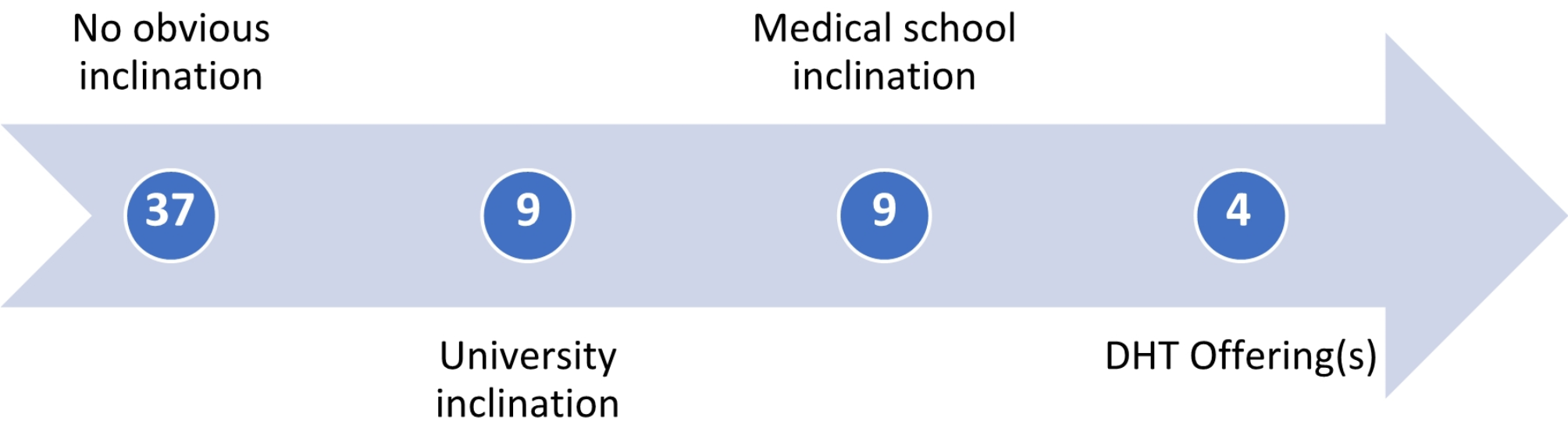
the original article, this technology encompasses a broad spectrum, from fitness trackers to advanced telemedicine platforms. Yet, the study reveals that none of the 60 analyzed medical schools explicitly mentioned
DHT in their mission statements, underscoring a significant oversight.
Bridging the Educational Gap
The research underscores the need for a paradigm shift in medical education. While only four universities were found to offer courses related to
DHT, the study emphasizes the importance of equipping future physicians with the skills to navigate and leverage these technologies. Institutions like Stanford University have taken steps in this direction, providing courses through their innovation arms, such as the Byers Center for Biodesign.
Looking Forward
As the healthcare landscape continues to evolve, the integration of
DHT into medical curricula becomes imperative. The study calls for medical schools to align their educational offerings with the demands of modern healthcare, ensuring that graduates are well-prepared to enhance patient care through digital means.
For more insights, visit the
full article and explore the
peer review reports.