In the bustling world of game development, the quest for the ultimate game engine is akin to seeking the Holy Grail. As I delved into the labyrinthine world of game engines, testing over 25 contenders, the cream of the crop emerged. Here, I present the top seven game engines for 2025, each with its unique flair and functionality.

Unreal Engine stands tall, renowned for its high-end rendering capabilities. This powerhouse is the go-to for developers aiming to craft photorealistic visuals and cinematic experiences. Its advanced tools, like Lumen and Nanite, offer unparalleled graphical fidelity, making it a top choice for AAA game development. The Unreal Engine community is a treasure trove of resources, offering support and tutorials for both novices and seasoned developers. However, the steep learning curve and performance hiccups on older hardware are worth noting, as echoed by users on G2.

Unity, on the other hand, caters to those who prefer a no-code development environment. Its robust animation system and visual scripting tools streamline the game creation process, allowing developers to focus on creativity rather than code. Unity’s Asset Store is a goldmine for pre-built assets, making it easier to bring your vision to life. Yet, the pricing structure and occasional performance dips during larger builds can be a hurdle, as highlighted in G2 reviews.

Cry Engine is celebrated for its immersive UI and state-of-the-art graphics. Its royalty model is a boon for indie developers, allowing them to retain more earnings. However, the reliance on C++ and limited asset store offerings may pose challenges for those accustomed to more user-friendly platforms.

Godot, a rising star in the indie development scene, offers cross-platform rendering and VFX capabilities. Its open-source nature and node-based architecture make it accessible to beginners. While its 2D capabilities are commendable, the 3D toolset still lags behind more mature engines.

GameMaker, renowned for its 2D simulations, provides a drag-and-drop builder for easy game creation. While its 2D prowess is unmatched, the lack of robust 3D support might deter developers looking for more advanced features.

Haxeflixel shines in the realm of 2D libraries, offering a singular codebase for multiple projects. Its cross-platform support is commendable, but the documentation could use more clarity, as noted by users on G2.

Cocos2D-X, the darling of mobile game developers, excels in scene flow and visual effects. Its open-source framework and community support make it a viable choice for mobile-first development. However, the lack of a robust visual editor and comprehensive documentation can be a stumbling block.

In conclusion, the global game engine market is on a trajectory of growth, fueled by the adoption of VR and AR technologies. As you embark on your game development journey, these engines offer a spectrum of possibilities, each catering to different needs and preferences. For a deeper dive into the world of game engines, explore the original article on Learn Hub | G2 and discover the tools that can transform your creative vision into reality.

More Articles

Getting licensed or staying ahead in your career can be a journey—but it doesn’t have to be overwhelming. Grab your favorite coffee or tea, take a moment to relax, and browse through our articles. Whether you’re just starting out or renewing your expertise, we’ve got tips, insights, and advice to keep you moving forward. Here’s to your success—one sip and one step at a time!

Artificial Intelligence in Diagnostics: A Revolution in Healthcare

The global market for artificial intelligence in diagnostics is poised for remarkable growth, with projections estimating it to reach USD 7.3 billion by 2032.

By |December 10, 2024|Categories: Article, Artificial Intelligence, Healthcare|Tags: , |0 Comments

Revolutionizing Medical Education with Extended Reality

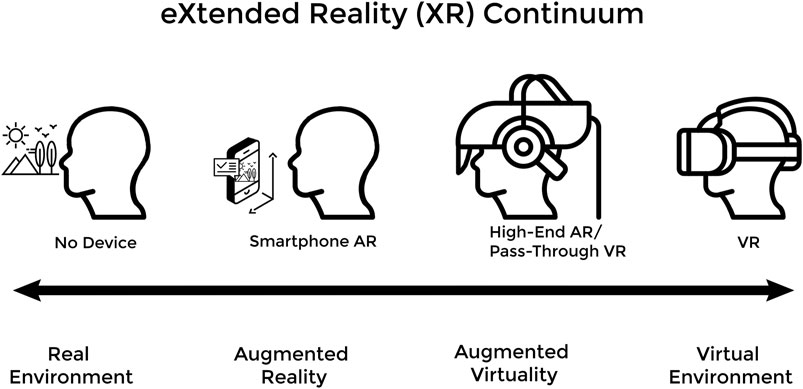
In the ever-evolving landscape of medical education, a new player has emerged, promising to revolutionize the way future doctors are trained. The integration of eXtended Reality (XR) technologies is reshaping the educational landscape by addressing the limitations of traditional methods.

Genetic Testing: A New Dawn in Healthcare

Genetic testing represents more than just a scientific advancement; it signifies a fundamental shift in how we approach health and wellness.

Sustainable Architecture: Blending Innovation with Ecological Responsibility

The journey toward sustainable architecture is ongoing, with each project serving as a beacon of what's achievable when creativity meets ecological awareness.

By |December 9, 2024|Categories: Architecture, Article, Sustainability|Tags: |0 Comments

AI in Clinical and Molecular Diagnostics: A Market on the Rise

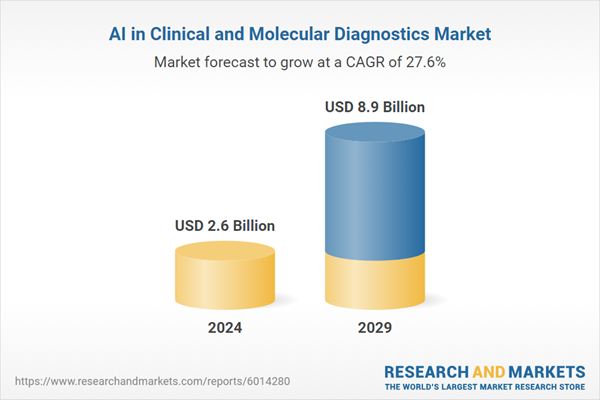
AI in Clinical and Molecular Diagnostics Market is set to experience remarkable growth, projected to surge from USD 2.6 billion in 2024 to USD 8.9 billion by 2029. This growth is driven by the integration of advanced AI technologies such as machine learning and deep learning into traditional diagnostic methodologies like imaging, genomics, and laboratory testing.

AI: A Revolution in Healthcare’s Future

AI is not a distant dream but a present reality, already integrated into everyday life through virtual assistants like Alexa and Siri. AI shows promise in enhancing medical accuracy, such as in predicting mesothelioma survival and improving colonoscopy accuracy, it is not intended to replace healthcare professionals.