In the bustling world of game development, the quest for the ultimate game engine is akin to seeking the Holy Grail. As I delved into the labyrinthine world of game engines, testing over 25 contenders, the cream of the crop emerged. Here, I present the top seven game engines for 2025, each with its unique flair and functionality.

Unreal Engine stands tall, renowned for its high-end rendering capabilities. This powerhouse is the go-to for developers aiming to craft photorealistic visuals and cinematic experiences. Its advanced tools, like Lumen and Nanite, offer unparalleled graphical fidelity, making it a top choice for AAA game development. The Unreal Engine community is a treasure trove of resources, offering support and tutorials for both novices and seasoned developers. However, the steep learning curve and performance hiccups on older hardware are worth noting, as echoed by users on G2.

Unity, on the other hand, caters to those who prefer a no-code development environment. Its robust animation system and visual scripting tools streamline the game creation process, allowing developers to focus on creativity rather than code. Unity’s Asset Store is a goldmine for pre-built assets, making it easier to bring your vision to life. Yet, the pricing structure and occasional performance dips during larger builds can be a hurdle, as highlighted in G2 reviews.

Cry Engine is celebrated for its immersive UI and state-of-the-art graphics. Its royalty model is a boon for indie developers, allowing them to retain more earnings. However, the reliance on C++ and limited asset store offerings may pose challenges for those accustomed to more user-friendly platforms.

Godot, a rising star in the indie development scene, offers cross-platform rendering and VFX capabilities. Its open-source nature and node-based architecture make it accessible to beginners. While its 2D capabilities are commendable, the 3D toolset still lags behind more mature engines.

GameMaker, renowned for its 2D simulations, provides a drag-and-drop builder for easy game creation. While its 2D prowess is unmatched, the lack of robust 3D support might deter developers looking for more advanced features.

Haxeflixel shines in the realm of 2D libraries, offering a singular codebase for multiple projects. Its cross-platform support is commendable, but the documentation could use more clarity, as noted by users on G2.

Cocos2D-X, the darling of mobile game developers, excels in scene flow and visual effects. Its open-source framework and community support make it a viable choice for mobile-first development. However, the lack of a robust visual editor and comprehensive documentation can be a stumbling block.

In conclusion, the global game engine market is on a trajectory of growth, fueled by the adoption of VR and AR technologies. As you embark on your game development journey, these engines offer a spectrum of possibilities, each catering to different needs and preferences. For a deeper dive into the world of game engines, explore the original article on Learn Hub | G2 and discover the tools that can transform your creative vision into reality.

More Articles

Getting licensed or staying ahead in your career can be a journey—but it doesn’t have to be overwhelming. Grab your favorite coffee or tea, take a moment to relax, and browse through our articles. Whether you’re just starting out or renewing your expertise, we’ve got tips, insights, and advice to keep you moving forward. Here’s to your success—one sip and one step at a time!

NAR’s New MLS Policy Changes Spark Immediate Legal Pushback in Michigan

Just 48 hours after NAR unveiled major revisions to its MLS policies, plaintiffs in the Michigan-based Hardy lawsuit moved to use those changes as evidence, arguing they prove NAR’s prior rules were anticompetitive. NAR denies any wrongdoing, but the case is quickly becoming a key test for whether MLS access should require Realtor membership — a question now echoing across multiple states and potentially reshaping how real estate professionals nationwide access the industry’s most essential tool.

Florida Homeowners Grapple With Soaring Insurance Costs as Lawmakers Push for Reform

Florida homeowners are now paying some of the highest insurance premiums in the country, with average costs topping $5,800 per year—nearly double the national average. Residents report skyrocketing rates, denied claims, and tough choices between costly coverage and financial risk. As frustration grows, lawmakers and consumer advocates are pushing new reforms aimed at increasing transparency, capping rate hikes, and protecting policyholders in one of the nation’s most volatile insurance markets.

Top 2026 Commercial Real Estate Issues Every Pro Should Be Watching

Economic uncertainty, rapid AI adoption, tighter capital flows, and rising portfolio risk are reshaping the 2026 commercial real estate landscape. From shifting workforce patterns to a national housing attainability crisis, the industry is entering a data‑driven, fundamentals‑focused era—making adaptability, education, and tech literacy essential for real estate professionals.

Mortgage Rates Rise as Markets Lose Faith in a December Fed Cut

Mortgage rates have climbed to 6.23 percent as investors grow doubtful that the Federal Reserve will deliver a rate cut in December. A soft but unclear jobs report and persistent inflation have pushed borrowing costs higher, reversing October’s brief relief in the housing market. Real estate and mortgage professionals should prepare clients for continued volatility as the Fed’s December meeting approaches.

Housing Market Poised for a Major 2026 Comeback: What Florida Pros Need to Know

After years of tight inventory, high mortgage rates, and sluggish sales, economists say 2026 is shaping up to be the turnaround real estate professionals have been waiting for. NAR projects a 14 percent jump in home sales, mortgage rates easing toward 6 percent, and buyer demand finally gaining momentum. While higher‑end homes are moving quickly, first‑time buyers continue to face affordability challenges, and price reductions are reappearing as sellers adjust to shifting conditions. For Florida agents, brokers, and newcomers, the stage is being set for a busy and opportunity‑rich year.

Florida Homeowners Hit With Record Insurance Costs as Lawmakers and Residents Demand Reform

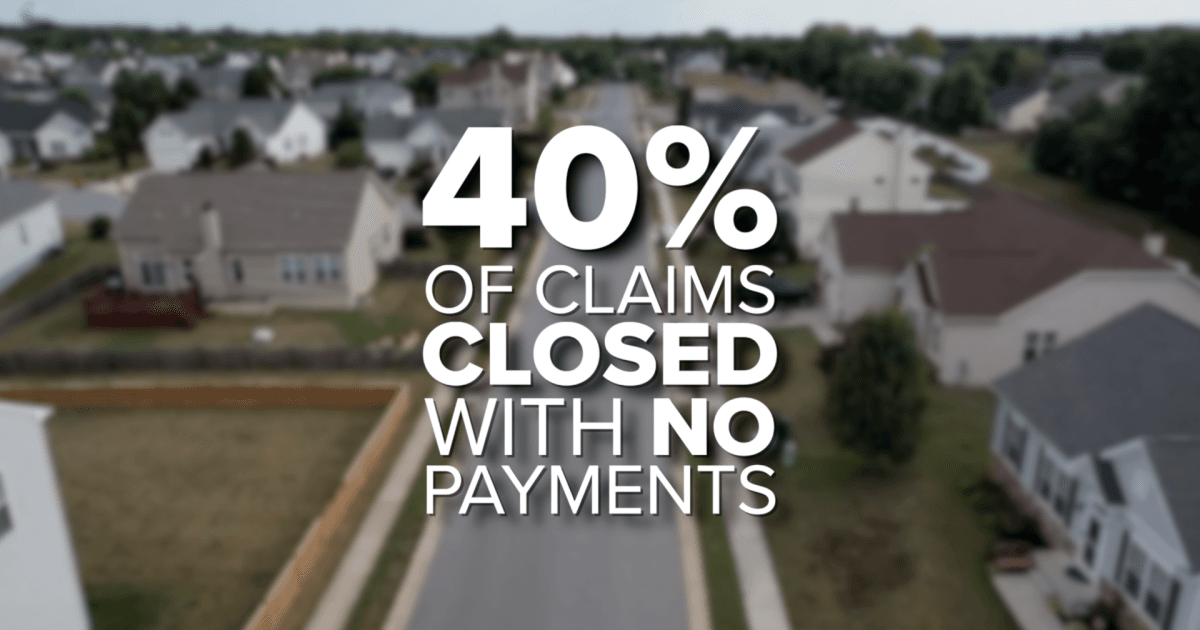
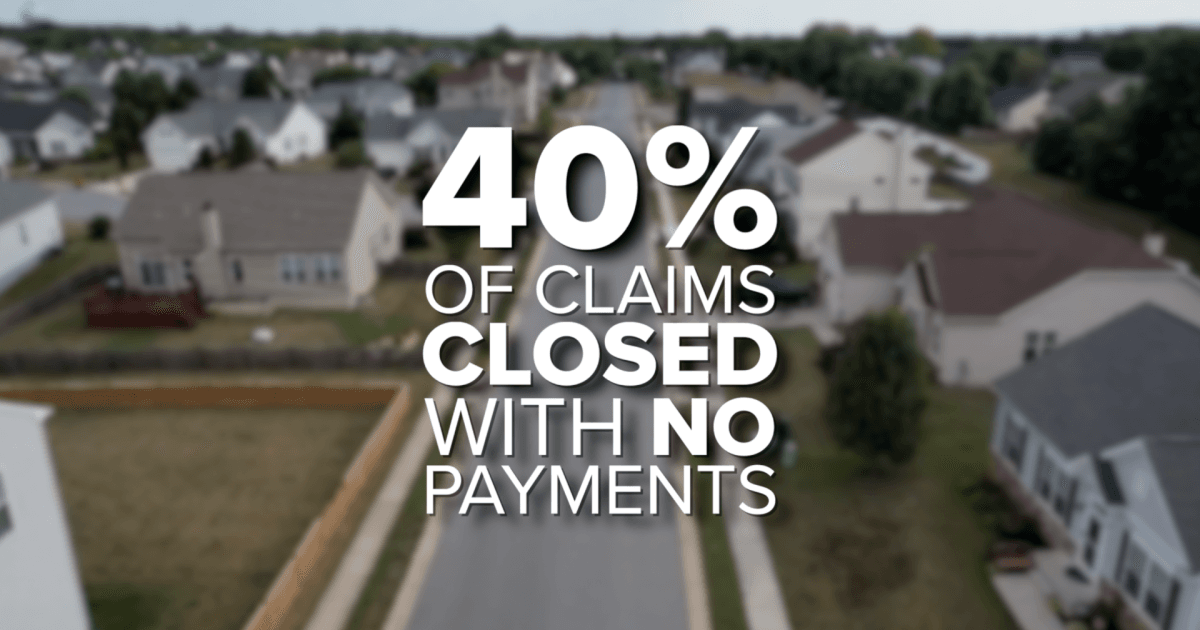
Florida’s average homeowner insurance premium has soared to $5,838 a year—almost $3,000 above the national average—pushing many residents to the financial brink. From tripled premiums to lowball claim payouts, homeowners are speaking out as frustration mounts. Some are even dropping coverage entirely. With more than 40% of claims closed without payment and policy cancellations at record levels, lawmakers are pushing for reforms, but political hurdles remain. The outcome could reshape Florida real estate, insurance, and mortgage markets for years to come.