Trump’s Second Term: Approval Ratings, Pardons, and Public Opinion

As Donald Trump begins his second term as President of the United States, a recent Reuters/Ipsos poll reveals a deeply divided nation. With an approval rating of 47%, Trump starts this term with a higher popularity than during most of his first tenure. This figure, however, is accompanied by significant discontent regarding some of his initial actions, particularly his decision to pardon individuals involved in the January 6, 2021, Capitol riot.

Approval Ratings and Controversial Pardons

The poll, conducted just after Trump’s inauguration, highlights the contentious nature of his pardons. A substantial 58% of respondents opposed pardoning those convicted in connection with the Capitol siege. Despite this opposition, Trump proceeded to pardon nearly 1,600 individuals involved, including 14 leaders of the incident, mere hours into his second term. In contrast to these controversial pardons, Trump’s handling of immigration issues garnered a more favorable response. Approximately 46% of respondents approved of his approach, with many Americans expressing a desire for immigration reform to be prioritized by the new administration. A notable 58% agreed with reducing the number of migrants allowed to claim asylum at the U.S. border, reflecting support for Trump’s early actions to restrict immigration.

Polarization and Political Dynamics

Trump’s approval ratings, while higher than those of his first term, remain historically low compared to other U.S. presidents who typically begin their terms with approval ratings above 50%. As political analyst Jacob Rubashkin points out, Trump’s ratings are “roughly in line with what we saw in the first term,” indicating a persistent polarization within the American public. The survey also highlights the stark partisan divide, with 91% of Republicans approving of Trump’s leadership and 84% of Democrats disapproving. This division mirrors the political landscape during Joe Biden’s presidency, which saw similar challenges in garnering bipartisan support.

International Ambitions and Public Sentiment

Trump’s return to office brings with it potential shifts in international relations. However, the poll suggests limited public support for his more ambitious plans, such as acquiring Greenland from Denmark or regaining control of the Panama Canal. Only 16% of respondents supported the idea of pressuring Denmark to sell Greenland, and a mere 21% believed the U.S. should expand its territory in the Western Hemisphere. These findings indicate that while Trump may focus on satisfying his core supporters, broader public opinion remains skeptical of his territorial ambitions. As public opinion expert John Geer notes, second-term presidents often prioritize their legacy over popular opinion, suggesting that Trump may continue to pursue policies aligned with his “Make America Great Again” movement.

Conclusion and Future Prospects

As Trump navigates his second term, the challenges of maintaining a balanced approach between satisfying his base and addressing broader national and international concerns will be crucial. His initial actions have already sparked significant debate and opposition, but they also highlight the enduring support among his most ardent followers. Moving forward, Trump’s ability to manage these dynamics will likely define the success of his presidency and its impact on both domestic and global affairs. For those interested in following these developments, the Reuters Politics U.S. newsletter offers weekly insights and analysis on how U.S. politics influence the world.

More Articles

Getting licensed or staying ahead in your career can be a journey—but it doesn’t have to be overwhelming. Grab your favorite coffee or tea, take a moment to relax, and browse through our articles. Whether you’re just starting out or renewing your expertise, we’ve got tips, insights, and advice to keep you moving forward. Here’s to your success—one sip and one step at a time!

Florida Homeowners Finally Get Relief as Gov. DeSantis Announces Significant Insurance Premium Cuts

Florida homeowners — especially in hard‑hit South Florida — are set to see rare and substantial reductions in their property insurance premiums. Gov. Ron DeSantis announced an average statewide Citizens Insurance decrease of 8.7%, with even larger savings of up to 14% in counties like Miami-Dade, Broward, and Palm Beach. State officials credit recent legal and regulatory reforms for stabilizing the market, attracting new insurers, and delivering the first meaningful rate relief Floridians have seen in years.

Tampa’s Real Estate Market Enters a Smarter, More Selective Growth Phase

Tampa’s commercial real estate market isn’t slowing—it’s maturing. With strong population growth, rising office demand, a normalized industrial sector, resurgent retail, and an emerging health‑care real estate boom, investors are shifting from speed to strategy. Tighter underwriting, cautious capital and increased due‑diligence are shaping a more disciplined market, creating new opportunities for informed professionals.

Florida Slashes Home Insurance Rates: Biggest Drop in a Decade Sends Shockwaves Through the Market

Florida homeowners are finally seeing relief as Citizens Property Insurance announces a major 8.7% average rate decrease—far larger than originally proposed. Driven by legislative reforms, fewer lawsuits, and a calm hurricane season, the state’s once‑unstable insurance market is showing real signs of recovery. But with reduced coverage limits and shifting legal protections, experts warn that lower premiums may come with hidden trade‑offs.

Florida Homeowners Finally Get Insurance Relief After Years of Soaring Premiums

After a decade of rising premiums and retreating carriers, Florida homeowners are finally seeing long‑awaited relief. Dozens of insurers have filed for rate decreases—some as high as 11%—thanks to legislative reforms and a stabilizing market. Early approvals are already hitting counties across the state, and experts say the momentum could boost buyer confidence, affordability, and competition throughout Florida’s real estate and insurance sectors.

Self‑Storage Investing in 2026: A Market Thaw Opens the Door to Big Opportunities

After years of slowed activity caused by rising interest rates, the self‑storage industry is heating up again. New data from Marcus & Millichap shows a fresh market cycle emerging, driven by renewed buyer confidence, recalibrated pricing, and stronger lender participation. Acquisitions are rebounding, development is resetting in a healthier direction, and financing conditions are improving—creating one of the most promising investment landscapes the sector has seen in years.

Brookline’s Real Flood Risk: What FEMA’s New Maps Reveal—and What They Miss

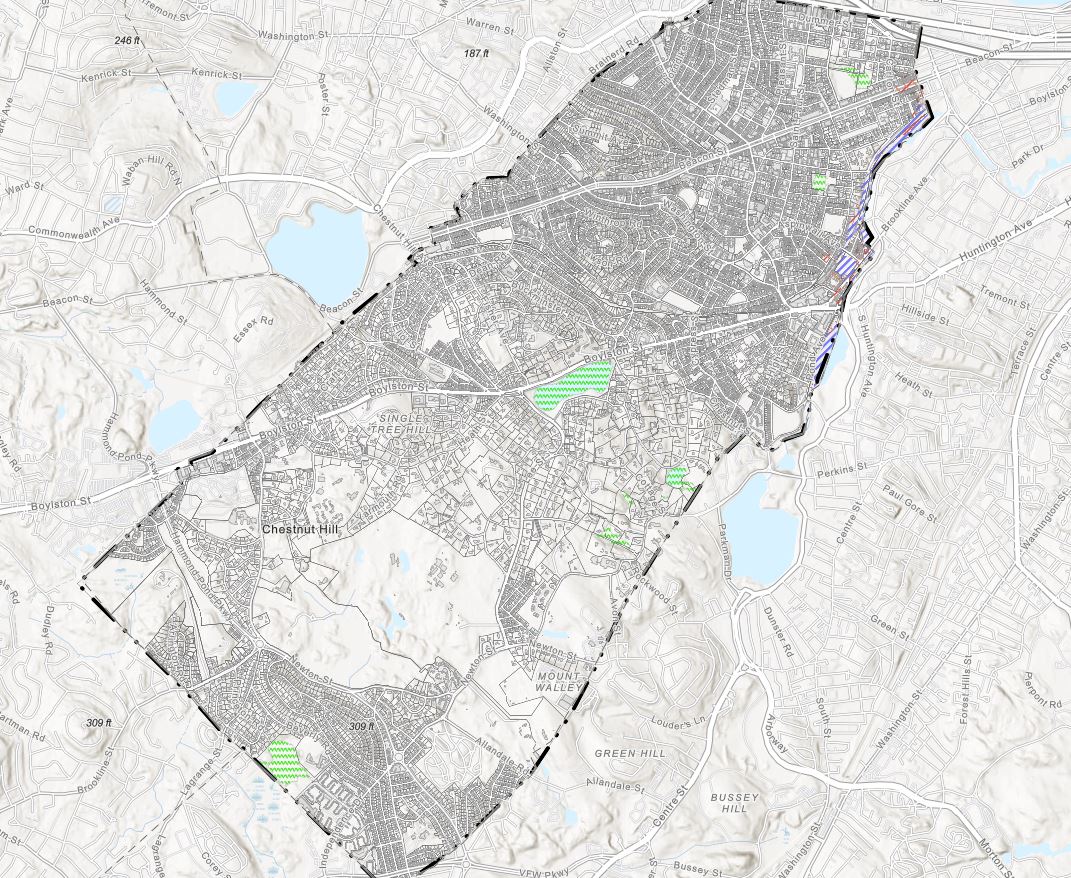
Brookline’s newly updated FEMA flood maps identify 97 high‑risk parcels, but local experts warn the true threat is far greater. While FEMA highlights river‑based flooding around Leverett Pond and the Muddy River, alternative models show more than 1,300 Brookline properties at risk within 30 years. Hidden vulnerabilities along major corridors like Beacon Street, rising rainfall intensity, aging infrastructure, and climate‑driven storm patterns suggest that many “low‑risk” areas may be anything but safe.