In a surprising turn of events, Donald Trump has clinched the presidency once more, defeating Kamala Harris in an election that signals a desire for change among voters. Frustration over high prices and concerns about undocumented immigration at the southern border were key issues driving this shift. This decision, however, comes despite the Biden-Harris administration’seconomic achievements, including a 2.8% GDP growth in Q3 2024 and a significant reduction in inflation.
Economic Expectations and Fiscal Concerns
Trump’s supporters are eagerly anticipating immediate economic changes, such as lower taxes and deregulation. Yet, his 20-point platform raises fiscal concerns. Analysts, including those from the Committee for Responsible Federal Budget, warn that his proposals could significantly increase the national deficit, potentially fueling inflation and impacting real estate investments.
Real Estate Implications
The real estate sector faces uncertainty under Trump’s fiscal plan. The potential rise in deficit borrowing could lead to higher inflation, making it unlikely for the Federal Reserve to lower interest rates as much as investors hope. This scenario could stymie investment in housing, as high debt costs remain a barrier.
Trade and Immigration Policies
Trump’s stance on immigration and trade could further impact the economy. Plans to restrict legal immigration and impose tariffs on major trade partners like Mexico, Canada, and China could lead to higher consumer prices and wage stagnation. The last trade war with China had already shifted agricultural trade dynamics, affecting U.S. farmers.
Potential Benefits of Tax Cuts
Despite these challenges, Trump’s proposed tax cuts could offer some relief. By lowering corporate taxes and extending individual tax cuts, consumers might experience increased after-tax incomes, potentially easing housing affordability issues. However, whether this will offset the broader economic pressures remains to be seen.
Looking Ahead
Economists like Kevin Thorp from Cushman & Wakefield advise patience, noting that the new administration’s economic policies will take time to manifest. While the current GDP growth is strong, the real estate market must navigate uncertainties in interest rates and fiscal policies.
For more insights on Trump’s economic impact, visit the original article on Hospitality Investor.
More Articles
Getting licensed or staying ahead in your career can be a journey—but it doesn’t have to be overwhelming. Grab your favorite coffee or tea, take a moment to relax, and browse through our articles. Whether you’re just starting out or renewing your expertise, we’ve got tips, insights, and advice to keep you moving forward. Here’s to your success—one sip and one step at a time!
"AI and machine learning are emerging as powerful technologies to address this issue, improving the accuracy of medical diagnosis and revolutionizing healthcare with their myriad applications."
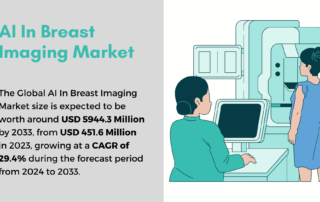
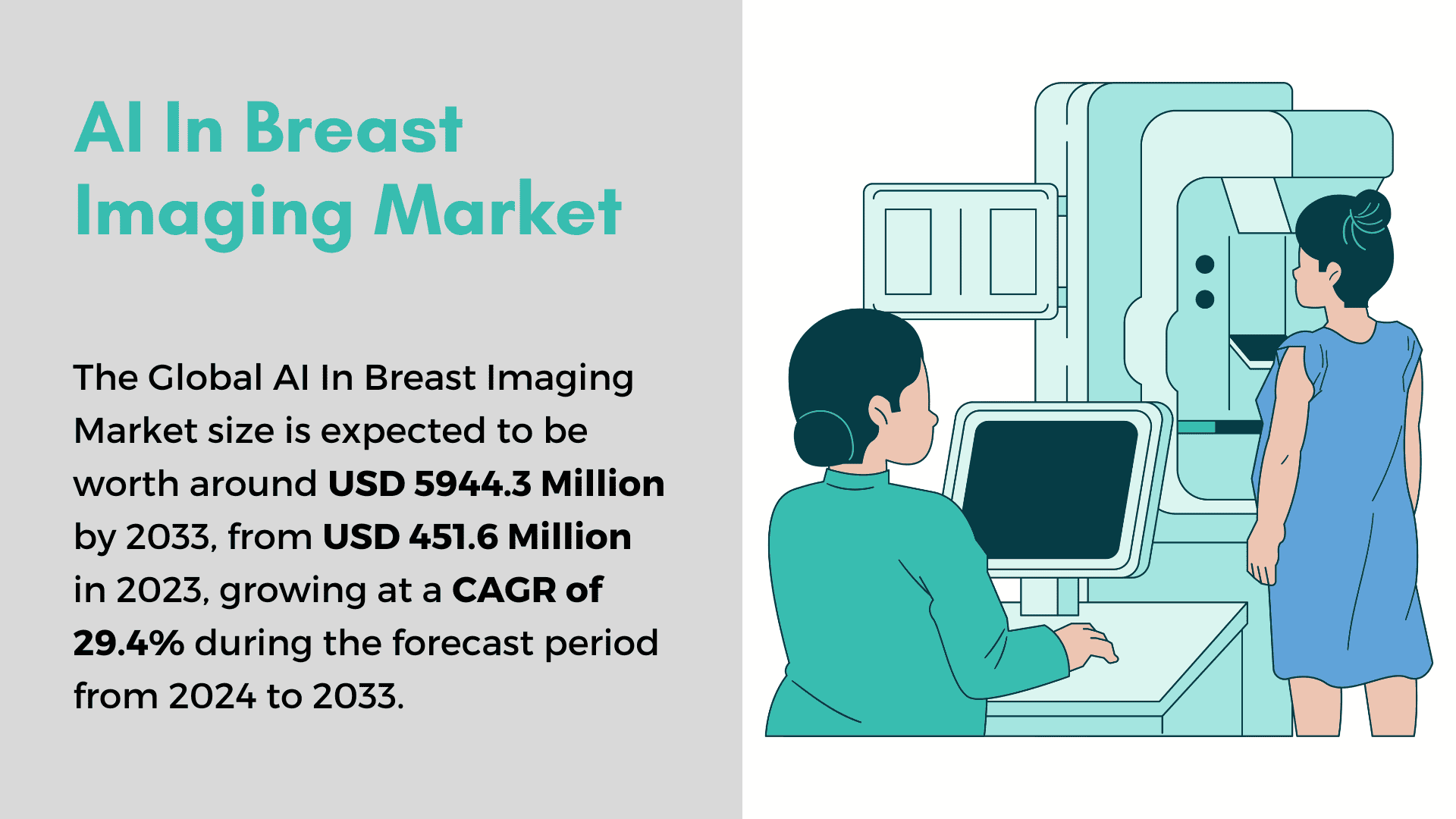
The global AI in breast imaging market is on a remarkable growth trajectory, projected to swell from USD 451.6 million in 2023 to an impressive USD 5944.3 million by 2033. This represents a compound annual growth rate (CAGR) of 29.4%, primarily driven by cutting-edge advancements in AI technologies that significantly enhance diagnostic accuracy, facilitate early detection, and boost healthcare efficiency.
Virtual real estate in metaverses is becoming a focal point for investors worldwide, with digital plots of land mirroring traditional real estate value based on location, size, and platform popularity.
Artificial intelligence (AI) and machine learning are at the forefront of revolutionizing in-vitro diagnostic (IVD) tools, redefining diagnostics and enhancing healthcare outcomes on multiple fronts.
As we edge closer to 2030, the life sciences industry stands on the threshold of transformative changes. With a global valuation exceeding $2 trillion, the sector is poised for significant growth, driven by technological advancements and an aging population.
The advent of telehealth has revolutionized the way patients, particularly those in rural areas, access health care. By offering remote consultations and follow-up care, telehealth provides a convenient alternative to traveling long distances to urban hospitals. However, this technological advancement brings with it a set of challenges that could reshape the rural health care landscape.