Driver Turned “Money Manager”? SEC Says a Fraudulent Scheme Left Investors With Massive Losses
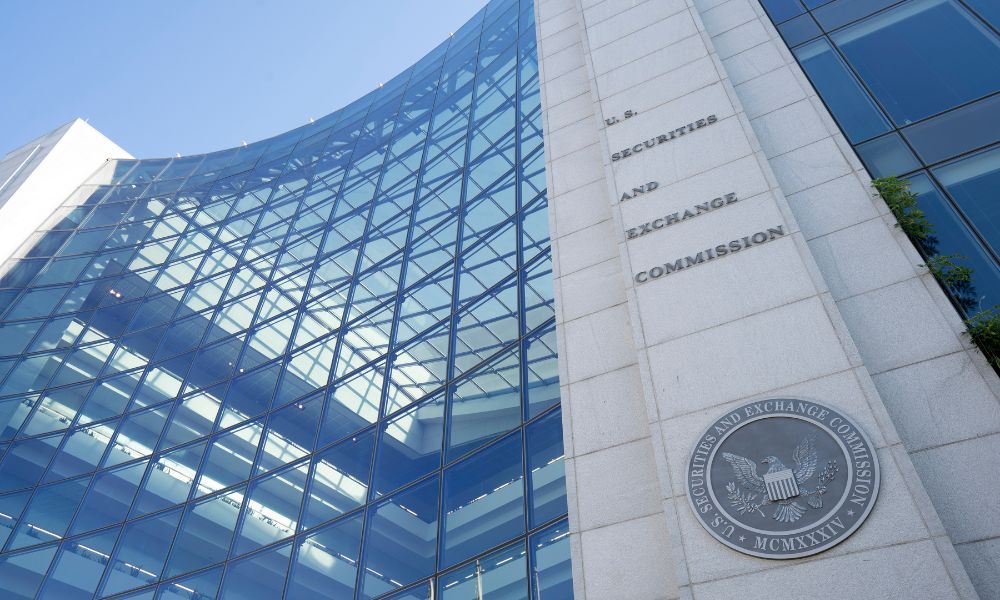
In a story that feels ripped from a financial thriller, the Securities and Exchange Commission has charged a New York man with posing as a seasoned investment professional—despite being employed only as a driver for a hedge fund’s founder. The fallout? More than $1 million in combined investor losses, according to the SEC’s civil complaint.
The Unlikely Impostor
The accused, 53‑year‑old Shahin Ahmed, allegedly leveraged proximity—not expertise—to pass himself off as a hedge fund insider. While officially employed as a driver and “administrative assistant” for a registered investment adviser, the SEC says Ahmed portrayed himself as a senior investment manager to three unsuspecting individuals.
Between March 2020 and February 2022, Ahmed allegedly convinced a single investor and a married couple to trust him with their money, despite having no investment experience, no licenses, and no formal education beyond high school.
The First Investor: Trust, Marketing Materials, and a Deceptive LLC
According to the complaint, Ahmed met “Investor 1” years prior through a mutual acquaintance. Over time, he allegedly reinforced the idea that he was a high‑level investment professional. Even during the pandemic, he reportedly met Investor 1 in the lobby of the advisory firm’s closed offices, sharing the firm’s official marketing materials to bolster credibility.
Eventually, Ahmed requested an investment “through the firm.” Investor 1 handed over $50,000—writing the check to “Honest Partners LLC,” a company Ahmed himself formed, with a name the SEC calls “deceptively similar” to the actual advisory firm.
Investor 1 later contributed an additional $41,000 for what Ahmed claimed were discounted stock options. But the SEC says the funds were instead placed into a brokerage account under Honest Partners, where Ahmed falsely listed himself as a “softwaer developer.”
Losses mounted further when Investor 1 funded a brokerage account with $300,000 for Ahmed to trade. Initial gains quickly evaporated into more than $180,000 in losses after speculative trading. Post‑dated checks totaling more than $460,000—meant to pay him back—allegedly bounced due to insufficient funds.
Investors 2 and 3: Margin, Risky Trades, and More Losses
A married couple also fell victim after Ahmed allegedly promised “guaranteed, risk‑free” returns. He told them he managed a stock fund and worked professionally at the hedge fund.
After granting him access to their online brokerage accounts, the couple saw Ahmed engage in risky margin trading. One position lost so much money that their broker liquidated their entire account—leaving more than $60,000 in margin call obligations.
The SEC says the couple’s total losses exceeded $637,000, all while they paid Ahmed $50,000 for his supposed expertise.
The SEC’s Response
The SEC alleges multiple violations of federal securities laws, including antifraud provisions and sections of the Investment Advisers Act. The agency seeks to bar Ahmed permanently from participating in any securities activity outside of his own personal accounts, obtain civil penalties, and force the return of all alleged ill‑gotten gains.
The case, filed December 5, 2025, is pending in the U.S. District Court for the Eastern District of New York.
Cases like this highlight why proper licensing and education truly matter—whether in finance, insurance, real estate, or any professional field. For anyone building a legitimate career, credentials offer protection for both professionals and the clients who trust them.
If you’re pursuing or expanding a professional license, Cameron Academy provides accessible, high‑quality training for real estate, mortgage, insurance, and more across all 50 states.
Getting licensed or staying ahead in your career can be a journey—but it doesn’t have to be overwhelming. Grab your favorite coffee or tea, take a moment to relax, and browse through our articles. Whether you’re just starting out or renewing your expertise, we’ve got tips, insights, and advice to keep you moving forward. Here’s to your success—one sip and one step at a time!
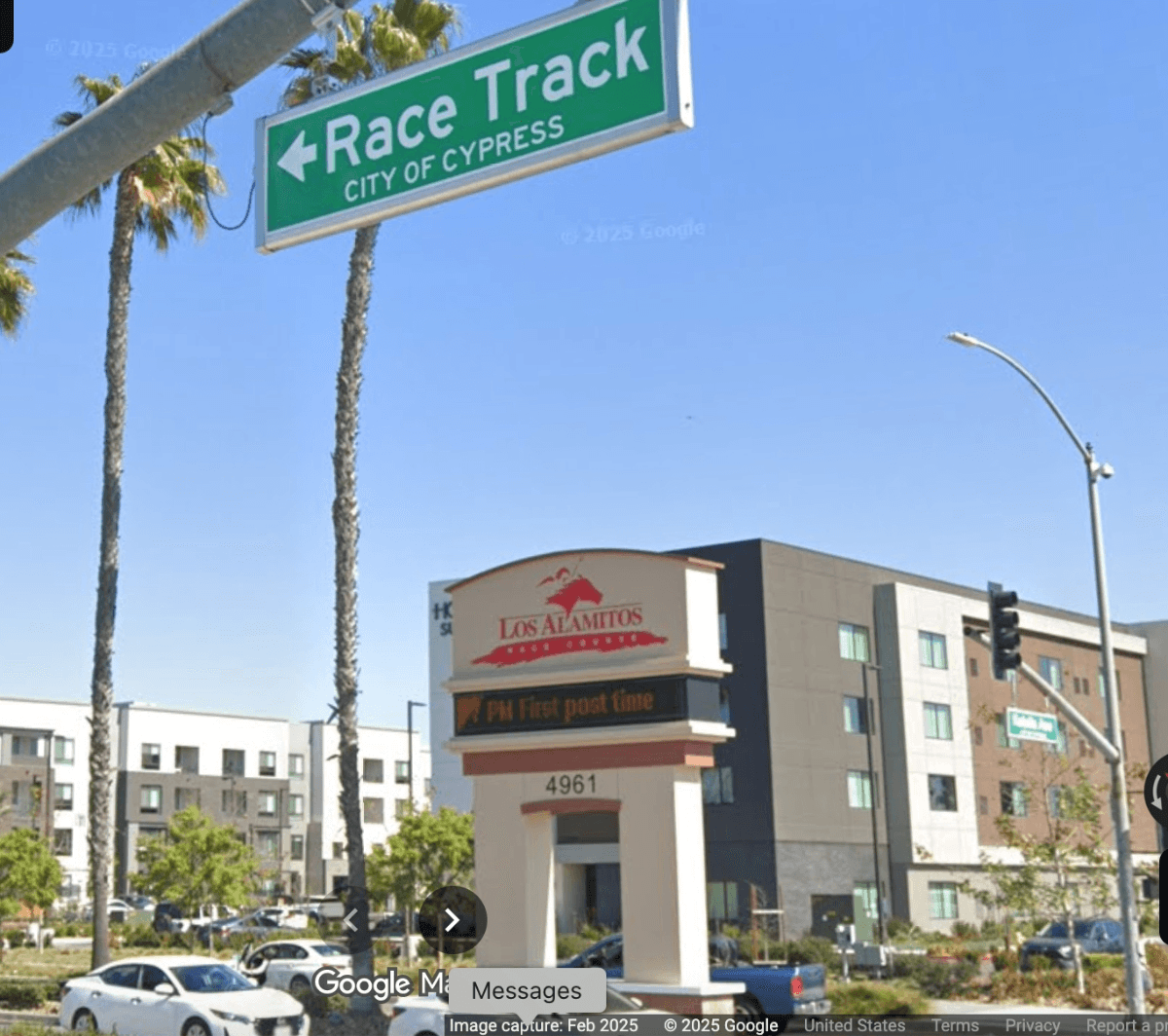
Los Alamitos Race Course is facing its most serious crisis in years after 18 horses died in 2025, prompting regulators to warn the track that its racing license is at risk without immediate safety reforms. Following three catastrophic injuries in a single day, the California Horse Racing Board has ordered urgent changes—including more veterinarians, stricter medication rules, and enhanced on‑track medical support—as pressure mounts for stronger oversight in a sport already under national scrutiny.
Canadian investors have poured more than US$5.8 billion into U.S. commercial real estate this year, making the U.S. their top destination even amid a lingering tariff dispute. Tight inventory in Canada and greater deal availability south of the border are driving the trend, with data centers and industrial properties emerging as the hottest targets for 2025.
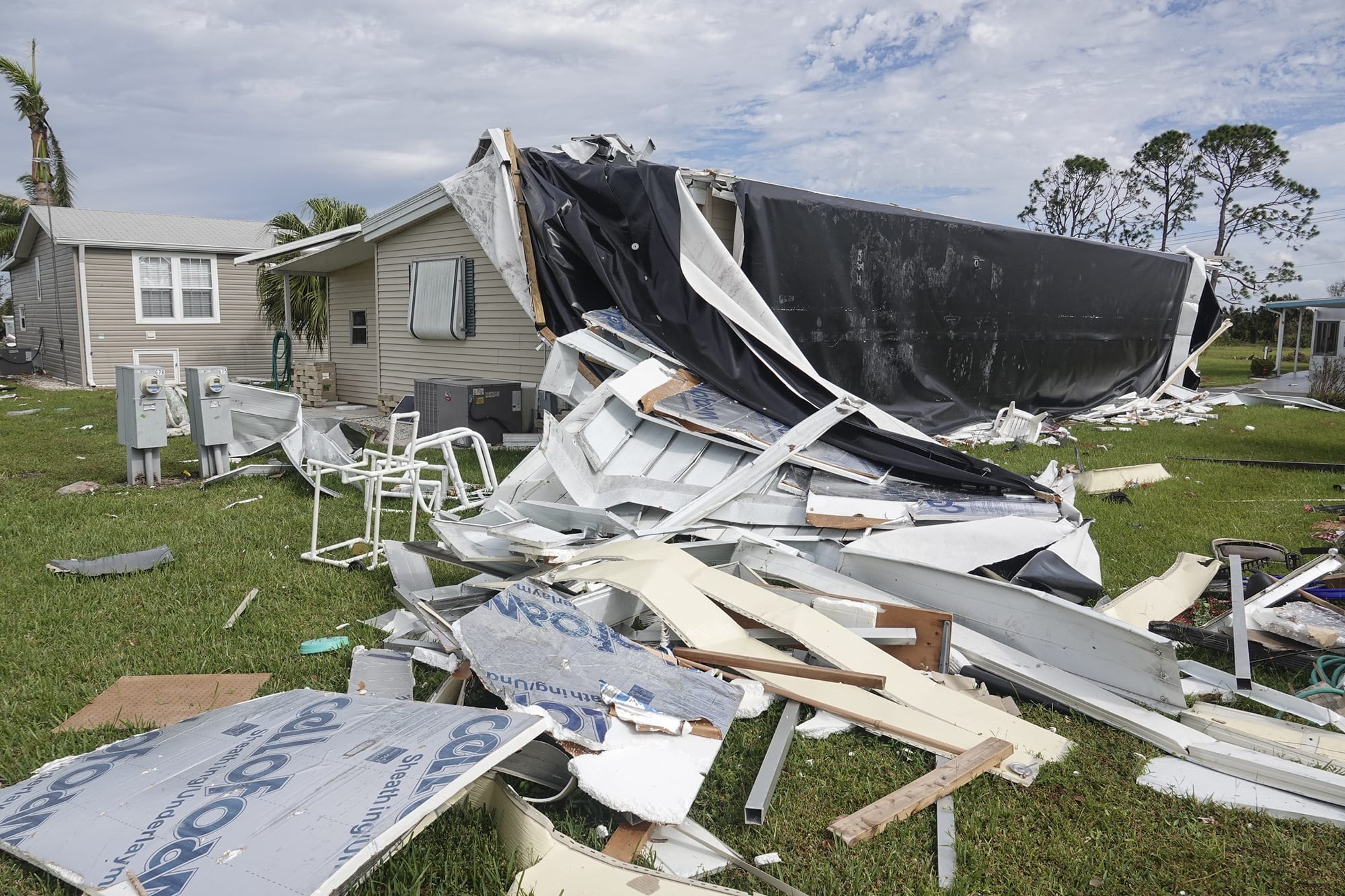
Florida’s insurance commissioner says even industry pros struggle to read today’s 150‑page homeowners policies—leaving residents shocked when hurricane claims are denied. With rising premiums, high replacement costs, and widespread confusion over exclusions like flood and water damage, the state is pushing for simpler, clearer policy language so homeowners know what they’re actually covered for before the next storm hits.
Following the 2025 elections, major metros like New York, Chicago, Miami, Los Angeles, and Boston are implementing policy shifts that could reshape property values, rental income, development timelines, and investment strategy heading into 2026. From New York’s push toward aggressive rent reform to Chicago’s sustainability mandates and Miami’s uncertain mayoral runoff, these changes signal a new era where local politics increasingly dictate market performance. This breakdown highlights the biggest post‑election real estate pivots and what they mean for investors, agents, and finance professionals preparing for a rapidly evolving landscape.
Florida’s Insurance Commissioner is sounding the alarm after thousands of homeowners discovered—only after hurricanes Helene and Milton—that the coverage they thought they had didn’t exist. With nearly 150,000 unpaid claims tied to misunderstood flood exclusions, water‑damage caps, and buried policy clauses, state leaders are pushing to simplify the dense, confusing documents most Floridians never read. As insurance costs remain one of the state’s top concerns, this growing complexity is creating a massive opportunity for real estate, mortgage, and insurance professionals to guide consumers before disaster strikes.
Florida’s insurance market is reliving an old crisis under a new name. Despite reforms meant to stabilize the system, homeowners are being forced out of Citizens and into pricier policies from small insurers with shaky financial histories. Companies tied to past insolvencies are returning with fresh branding, while highly rated carriers continue to deny a majority of claims. With political influence muddying regulation and climate risks rising, experts warn that only a full structural overhaul—not cosmetic reforms—can restore confidence for homeowners, agents, and the entire real estate market.