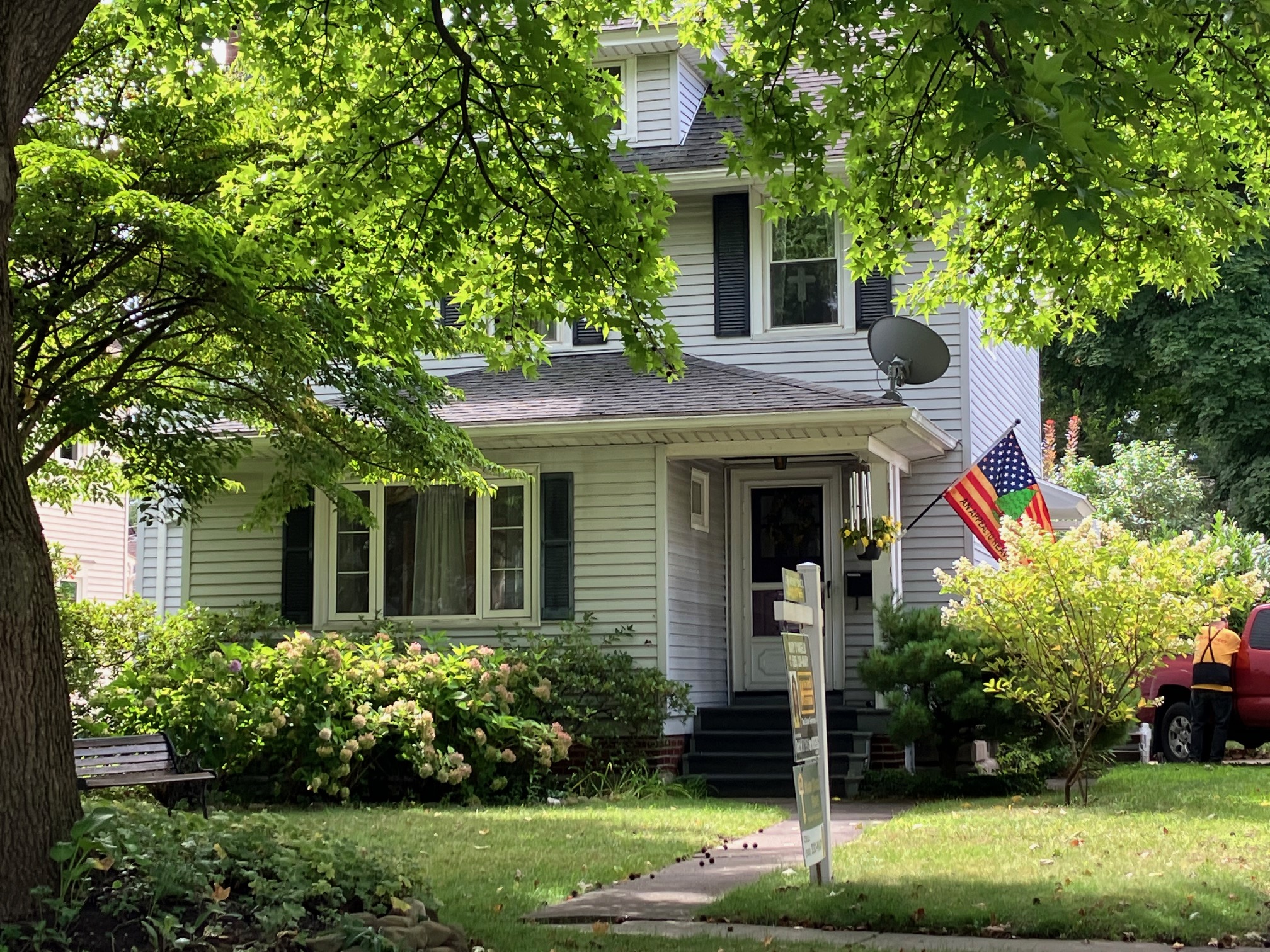
In Florida, the earnings of a real estate agent can vary significantly based on numerous factors including experience, location, and the current state of the housing market. The potential earnings are quite broad, with average salaries ranging from $40,000 to $90,000 per year. However, top-performing agents in high-demand areas can earn well above this range, sometimes exceeding $100,000 annually. According to the U.S. Bureau of Labor Statistics in 2023, the income for Florida real estate agents can span from $24,856 to $162,283, with very top producers making over a million dollars annually.
According to Indeed, the average salary for a real estate agent in Florida can vary based on experience, location, and other factors. As of the latest data, real estate agents in Florida earn an average salary that ranges significantly, with top earners making considerably more than the average.
Commission Structure and Expenses
The income of a real estate agent is largely commission-based, meaning agents earn a percentage of the sales price of the properties they sell. Typically, this commission is around 5% to 6% of the property’s sale price, which is then split between the buyer’s agent and the seller’s agent, and further divided with their respective brokerages. This commission structure means that an agent’s earnings can vary significantly from sale to sale.
Additionally, real estate agents face various expenses such as marketing costs, licensing fees, and association dues, which can impact their net income. Successful agents often have a strong network, excellent negotiation skills, and a deep understanding of the local market, which can contribute to higher earnings.
Factors Influencing Earnings
Experience
The first year in real estate is often the most challenging. However, agents who persist can reap the rewards of their efforts within a few years. A supportive broker and a growing network are crucial as you establish your business. All real estate candidates in Florida must first complete 63 hours of approved pre-licensing education to obtain their license.
Location
Real estate agents’ earnings can vary significantly depending on their metropolitan area. For instance, agents in Tampa earn an average of $83,418 annually, whereas in Tallahassee, the average salary is $75,926. Miami Beach agents see average earnings of $85,985, while those in Port St. Lucie average $84,417 a year. The Fort Lauderdale area boasts an average agent income of $81,620 per year.
Hours Worked
The number of hours worked also plays a crucial role in determining income. Full-time agents have an average gross income of $72,247, compared to $24,298 for part-time agents. While real estate offers the opportunity for a flexible schedule, those who dedicate more hours can achieve their full earning potential.
Specialties
Agents who focus on specific niches often earn more than those who do not. The most profitable specializations include luxury real estate, foreign investments, short sales and foreclosures, and green or eco-friendly properties.
Benefits of a Real Estate Career in Florida
In addition to potentially high earnings, a career in real estate offers several other benefits. As a real estate agent, you are self-employed, which means you have the freedom to work from home or any location of your choice. This flexibility allows you to set your schedule and work at times that suit you best.
The real estate field is rich with professional development opportunities. Whether through courses, seminars, business experience, coaching, mentoring, or public speaking, agents can continuously expand their knowledge and skills. The industry also provides a wide community of like-minded individuals to connect with, from investors and brokers to building contractors.
Being self-employed also means that business-related expenses are tax-deductible. This includes travel for sales calls, business equipment, and professional development costs. However, it’s important to note that self-employment taxes will apply.
Overall, starting a career as a real estate agent in Florida can be an excellent opportunity for those who desire a flexible schedule, are disciplined enough to put in the necessary hours, and enjoy engaging with the community.
For a more detailed breakdown of real estate agent salaries across Florida, ZipRecruiter offers insights indicating that the salary range can be quite broad. The data provided includes estimates of the highest and lowest earners, giving a clear picture of potential earnings.