The buildings we inhabit and work in are integral to our societal infrastructure, supporting our daily lives and overall well-being. However, traditional construction methods have posed significant environmental challenges. Increasingly, technology plays a crucial role in transforming the industry, with new advancements and practices fostering
eco-friendly construction methods. This shift aims to minimize environmental damage while prioritizing sustainable development.
Adopting Green Construction Tech
Emerging trends in
green construction innovations are making headway, utilizing both passive and active technologies to foster sustainability. Examples of passive technological advances include
smart glass, which adapts to light conditions to reduce reliance on mechanical heating and cooling, and
cool roofs that reflect more sunlight, thereby cutting down on air conditioning energy use. Meanwhile, active technologies such as
AI-driven quantity surveying software reduce material waste by accurately predicting project needs. IoT devices also contribute by optimizing electricity consumption and enhancing tool automation efficiency.
By comprehensively integrating these tools, construction projects can achieve a holistic green footprint. Continuing research and adoption of these technologies empowers developers to make environmentally sound decisions.
Using Alternative Materials
The availability of
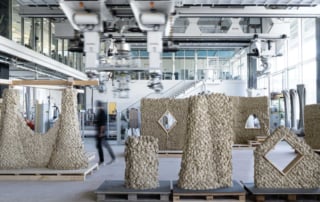
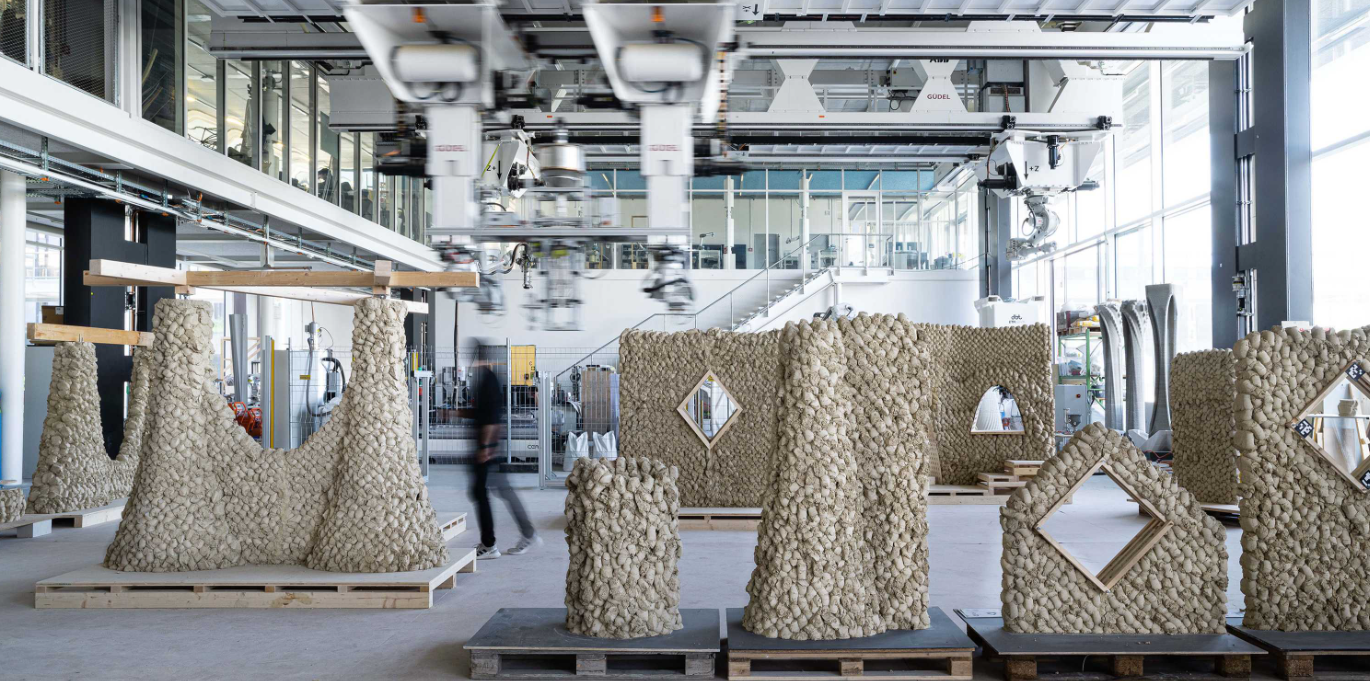
sustainable building materials marks a significant technological advancement in eco-friendly construction. New materials such as
bio-based insulation, derived from
mycelium, offer robust, biodegradable options beyond traditional synthetic substances.
Recycled materials, including repurposed wood and plastics, and resources like bamboo provide strong, flexible building alternatives with reduced environmental impact. Such materials lessen the strain on natural ecosystems and mitigate harmful emissions traditionally associated with material production and transport.
Embracing Energy Advancements
Energy efficiency is a growing priority in sustainable construction, particularly as climate conditions exert pressure on power grids. Projects can enhance resilience to anticipated outages through smart energy practices. Installing
solar power systems is one effective strategy; contractors can take advantage of
educational courses and tax incentives while optimizing solar array placement from project inception. During the construction phase, energy consumption can be minimized by utilizing solar-generated power, maximizing daylight hours, and favoring electric vehicles and tools over diesel.
Prioritizing Environmental Stewardship
Commitment to
environmental stewardship is invaluable in project management and organization. Green certifications, such as those offered by the U.S. Green Buildings Council’s
LEED program, encourage developers to strive for sustainability without compromising on quality or safety. Additionally,
building information modeling (BIM) software assists in accurate material needs assessment, helping to reduce excess and waste.
A Sustainable Future
Continued exploration and integration of innovative
green technologies are crucial for driving sustainable construction. By using new materials and relying on renewable energy sources, the industry can progress towards more sustainable practices. As the sector evolves, construction professionals need to remain adaptive, incorporating advancements that benefit businesses, homeowners, and the planet.