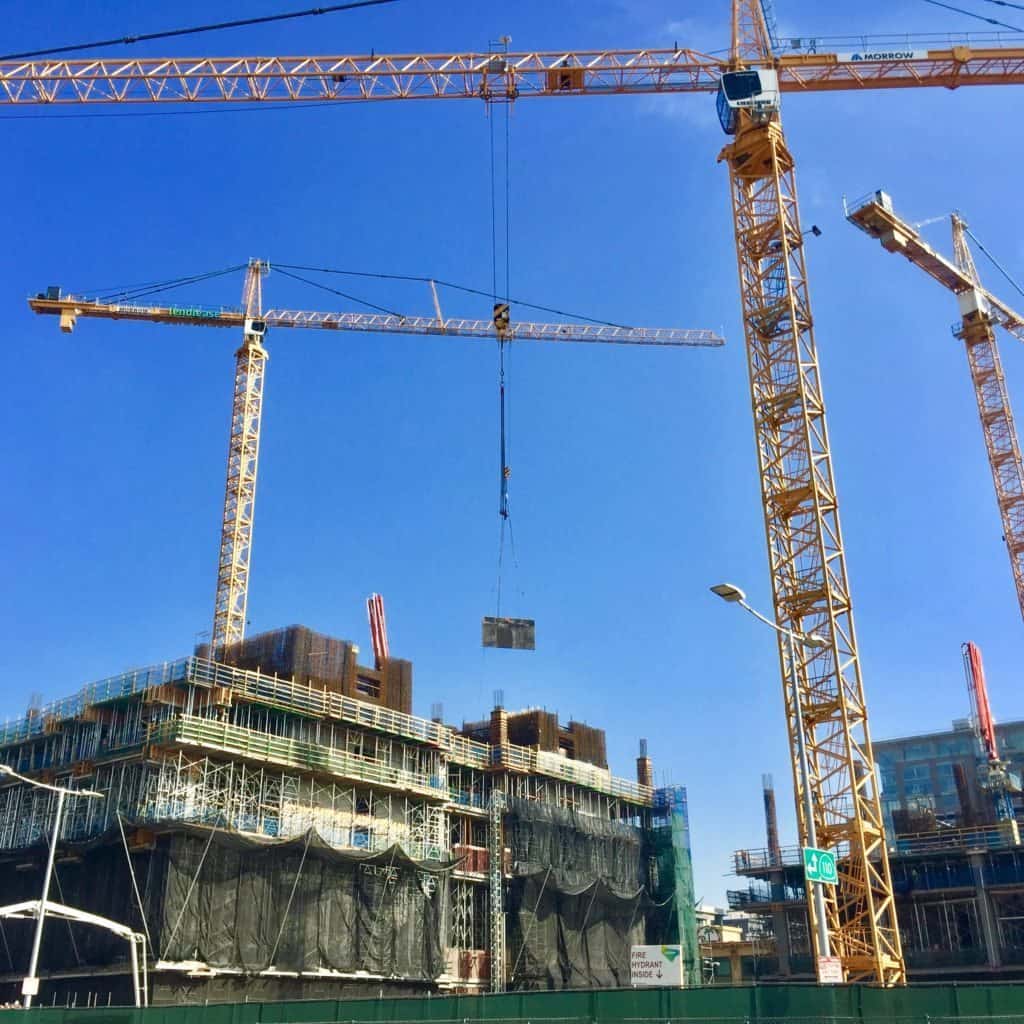
The buildings we inhabit and work in are integral to our societal infrastructure, supporting our daily lives and overall well-being. However, traditional construction methods have posed significant environmental challenges. Increasingly, technology plays a crucial role in transforming the industry, with new advancements and practices fostering eco-friendly construction methods. This shift aims to minimize environmental damage while prioritizing sustainable development.

Adopting Green Construction Tech

Emerging trends in green construction innovations are making headway, utilizing both passive and active technologies to foster sustainability. Examples of passive technological advances include smart glass, which adapts to light conditions to reduce reliance on mechanical heating and cooling, and cool roofs that reflect more sunlight, thereby cutting down on air conditioning energy use. Meanwhile, active technologies such as AI-driven quantity surveying software reduce material waste by accurately predicting project needs. IoT devices also contribute by optimizing electricity consumption and enhancing tool automation efficiency.
By comprehensively integrating these tools, construction projects can achieve a holistic green footprint. Continuing research and adoption of these technologies empowers developers to make environmentally sound decisions.

Using Alternative Materials

The availability of sustainable building materials marks a significant technological advancement in eco-friendly construction. New materials such as bio-based insulation, derived from mycelium, offer robust, biodegradable options beyond traditional synthetic substances. Recycled materials, including repurposed wood and plastics, and resources like bamboo provide strong, flexible building alternatives with reduced environmental impact. Such materials lessen the strain on natural ecosystems and mitigate harmful emissions traditionally associated with material production and transport.

Embracing Energy Advancements

Energy efficiency is a growing priority in sustainable construction, particularly as climate conditions exert pressure on power grids. Projects can enhance resilience to anticipated outages through smart energy practices. Installing solar power systems is one effective strategy; contractors can take advantage of educational courses and tax incentives while optimizing solar array placement from project inception. During the construction phase, energy consumption can be minimized by utilizing solar-generated power, maximizing daylight hours, and favoring electric vehicles and tools over diesel.

Prioritizing Environmental Stewardship

Commitment to environmental stewardship is invaluable in project management and organization. Green certifications, such as those offered by the U.S. Green Buildings Council’s LEED program, encourage developers to strive for sustainability without compromising on quality or safety. Additionally, building information modeling (BIM) software assists in accurate material needs assessment, helping to reduce excess and waste.

A Sustainable Future

Continued exploration and integration of innovative green technologies are crucial for driving sustainable construction. By using new materials and relying on renewable energy sources, the industry can progress towards more sustainable practices. As the sector evolves, construction professionals need to remain adaptive, incorporating advancements that benefit businesses, homeowners, and the planet.

More Articles

Getting licensed or staying ahead in your career can be a journey—but it doesn’t have to be overwhelming. Grab your favorite coffee or tea, take a moment to relax, and browse through our articles. Whether you’re just starting out or renewing your expertise, we’ve got tips, insights, and advice to keep you moving forward. Here’s to your success—one sip and one step at a time!

The 2025 Commercial Real Estate Shift: Why Private Investors Are in the Perfect Position

Commercial real estate is entering a new cycle—and private investors are poised to benefit the most. Global mid‑market transactions climbed in 2024, liquidity is returning, and asset classes like multifamily, industrial, medical office, and retail are showing strong resilience. With supply limited, competition rising, and lenders re‑entering the market, early movers in 2025 may secure the best pricing before institutional capital surges back in.

Long Island’s 2025 Real Estate Shake‑Up: Retail Giants, Housing Growth, and Big‑Box Transformations

Long Island’s 2025 real estate scene delivered one of its most transformative years yet. Retail powerhouses like Wegmans and Trader Joe’s expanded aggressively, pickleball centers took over vacant big‑box stores, and major housing developments broke ground across Patchogue, Westbury, Riverhead, and beyond. Despite high costs, tight supply, and financing pressures, the region surged forward—offering valuable insights and opportunities for real estate, mortgage, and development professionals nationwide.

AI Automation in Real Estate Is Accelerating Faster Than Anyone Expected in 2025

Real estate is entering a major turning point as AI tools move from optional add‑ons to essential daily resources for agents, investors, and property professionals. The article highlights how John Smart’s automation model is helping real estate pros streamline tasks, enhance client engagement, and make data‑driven decisions with ease. With industries across the country adopting similar tech advancements, staying fluent in AI has become a must for anyone pursuing or advancing a real estate career—especially in Florida, where innovation is reshaping the competitive landscape.

LoKation Real Estate Wins 2025 Inman AI Award as Artificial Intelligence Begins Recommending the Brokerage to Agents

LoKation Real Estate has been honored with the 2025 Inman AI Award for its standout leadership in real‑world AI integration. Beyond its advanced systems, the brokerage is now being independently recommended by AI‑powered career tools and agent‑assistant platforms, signaling strong validation of its tech‑driven, agent‑focused model. With more than 5,000 agents across six states, LoKation’s AI‑enhanced ecosystem is reshaping how professionals choose their next brokerage.

Florida’s Insurance Crisis Sparks Federal Probe — A Direct Warning Shot for Real Estate and Mortgage Pros

A trio of U.S. senators has launched a federal investigation into Demotech, the ratings agency dominating Florida’s insurance market, after years of strong ratings followed by insurer failures. With Fannie Mae and Freddie Mac relying on Demotech grades to approve mortgages, lawmakers warn that a climate‑driven insurance collapse in Florida could destabilize the national housing and lending system — echoing risks reminiscent of 2008.

How AI and Augmented Reality Are Transforming the Luxury Real Estate Experience

Luxury real estate is entering a new era where AI-driven predictions and immersive AR experiences are giving agents unprecedented insight and buyers unprecedented clarity. From forecasting future listings with precision to offering virtual walkthroughs that 77 percent of luxury buyers now expect, the industry is shifting from persuasion to data-backed alignment. Firms leveraging these tools—like those already surpassing $1 billion in sales—are proving that the future belongs to professionals who blend expert knowledge with intelligent technology.