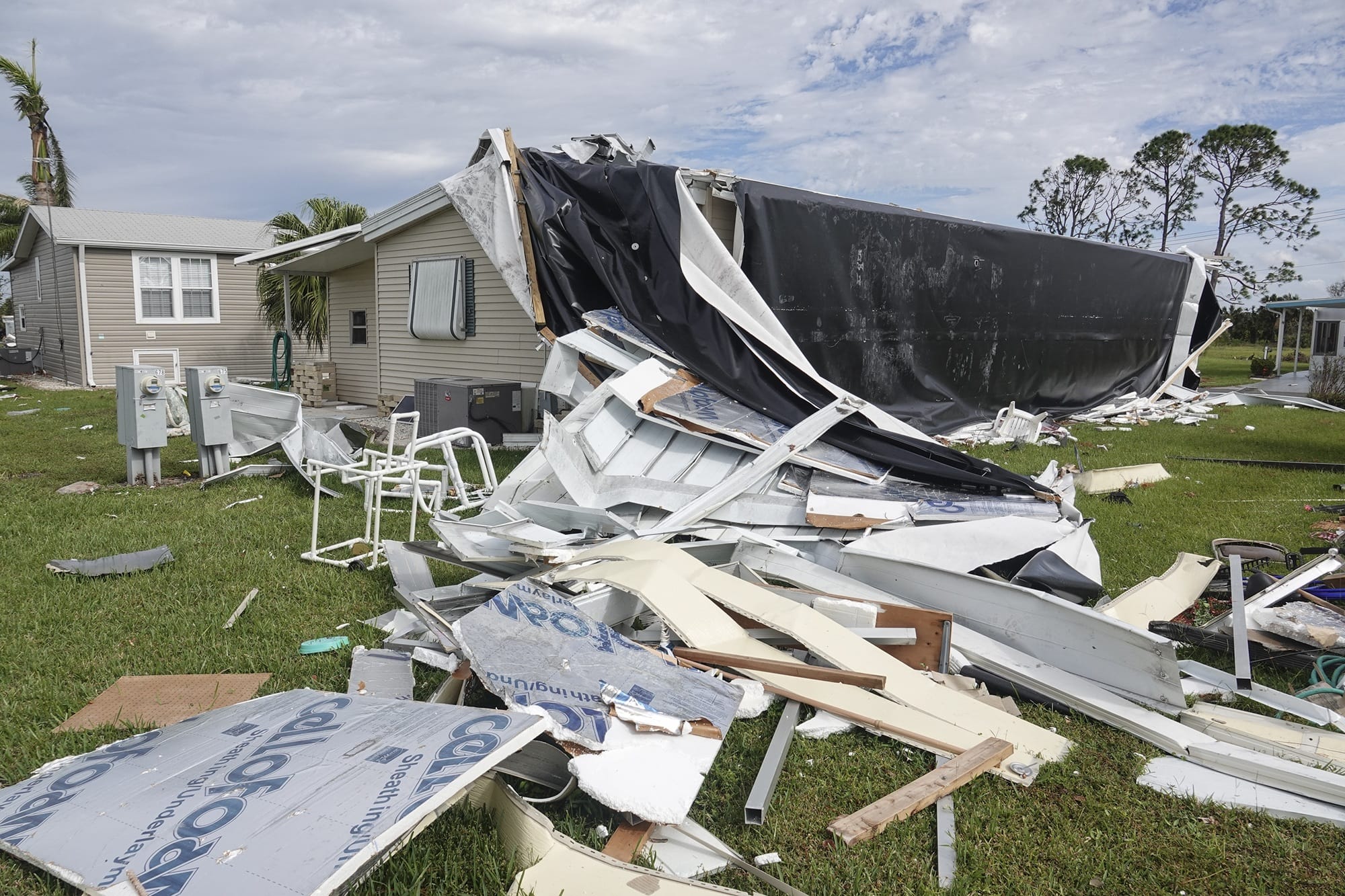
The buildings we inhabit and work in are integral to our societal infrastructure, supporting our daily lives and overall well-being. However, traditional construction methods have posed significant environmental challenges. Increasingly, technology plays a crucial role in transforming the industry, with new advancements and practices fostering eco-friendly construction methods. This shift aims to minimize environmental damage while prioritizing sustainable development.

Adopting Green Construction Tech

Emerging trends in green construction innovations are making headway, utilizing both passive and active technologies to foster sustainability. Examples of passive technological advances include smart glass, which adapts to light conditions to reduce reliance on mechanical heating and cooling, and cool roofs that reflect more sunlight, thereby cutting down on air conditioning energy use. Meanwhile, active technologies such as AI-driven quantity surveying software reduce material waste by accurately predicting project needs. IoT devices also contribute by optimizing electricity consumption and enhancing tool automation efficiency.
By comprehensively integrating these tools, construction projects can achieve a holistic green footprint. Continuing research and adoption of these technologies empowers developers to make environmentally sound decisions.

Using Alternative Materials

The availability of sustainable building materials marks a significant technological advancement in eco-friendly construction. New materials such as bio-based insulation, derived from mycelium, offer robust, biodegradable options beyond traditional synthetic substances. Recycled materials, including repurposed wood and plastics, and resources like bamboo provide strong, flexible building alternatives with reduced environmental impact. Such materials lessen the strain on natural ecosystems and mitigate harmful emissions traditionally associated with material production and transport.

Embracing Energy Advancements

Energy efficiency is a growing priority in sustainable construction, particularly as climate conditions exert pressure on power grids. Projects can enhance resilience to anticipated outages through smart energy practices. Installing solar power systems is one effective strategy; contractors can take advantage of educational courses and tax incentives while optimizing solar array placement from project inception. During the construction phase, energy consumption can be minimized by utilizing solar-generated power, maximizing daylight hours, and favoring electric vehicles and tools over diesel.

Prioritizing Environmental Stewardship

Commitment to environmental stewardship is invaluable in project management and organization. Green certifications, such as those offered by the U.S. Green Buildings Council’s LEED program, encourage developers to strive for sustainability without compromising on quality or safety. Additionally, building information modeling (BIM) software assists in accurate material needs assessment, helping to reduce excess and waste.

A Sustainable Future

Continued exploration and integration of innovative green technologies are crucial for driving sustainable construction. By using new materials and relying on renewable energy sources, the industry can progress towards more sustainable practices. As the sector evolves, construction professionals need to remain adaptive, incorporating advancements that benefit businesses, homeowners, and the planet.

More Articles

Getting licensed or staying ahead in your career can be a journey—but it doesn’t have to be overwhelming. Grab your favorite coffee or tea, take a moment to relax, and browse through our articles. Whether you’re just starting out or renewing your expertise, we’ve got tips, insights, and advice to keep you moving forward. Here’s to your success—one sip and one step at a time!

Tampa Emerges as the Nation’s Foreclosure Hotspot as Florida Leads in Housing Distress

Florida now holds the highest foreclosure rate in the country, and Tampa sits at the center of the surge. With one in every 1,373 homes facing foreclosure, skyrocketing insurance premiums, rising housing costs and reduced equity are pushing many homeowners—especially those who purchased between 2020 and 2023—into financial distress. While some experts view the spike as a market “normalization,” professionals in real estate and finance are watching closely as Tampa’s backlog clears and pressure continues to build across the state.

Northwest Austin Begins Major Redevelopment as Former 3M Campuses Transform Into Mixed‑Use Hubs

Two former 3M campuses in Northwest Austin are set for a dramatic rebirth as Karlin Real Estate pushes forward with plans for Highpoint 2222 and the Duval site. The vision includes office and lab space, up to 65,000 square feet of retail, more than 1,200 multifamily homes, and new green space. With over 500 residents weighing in through the 2222 Coalition of Neighborhood Associations, traffic, density, and environmental protections are shaping the final blueprint. As office demand cools, mixed‑use development is becoming the new normal—positioning this corridor for one of the biggest transformations Austin has seen in years.

Is There Really a Housing Crisis? A Fresh, Ground‑Level Look at Today’s Market

Despite constant headlines about a “housing crisis,” many economists and industry professionals argue the reality is more nuanced. In many regions, the issue isn’t a lack of homes but a mismatch between what’s available and what buyers want or can afford. As demographic shifts and remote work reshape demand, the market is evolving—not collapsing—creating opportunities for real estate, mortgage, insurance, and finance professionals who understand the difference between perception and reality.

Florida’s Insurance Crisis Is Reshaping Communities and Squeezing the Middle Class

Hurricane Ian’s aftermath has exposed a growing affordability crisis across Southwest Florida. Skyrocketing insurance premiums, soaring construction costs, and rapid gentrification are making it harder for long‑time residents and middle‑class families to stay in their communities. From Fort Myers Beach to inland neighborhoods, homeowners, renters, and small businesses are feeling the pressure as rising costs reshape the region’s housing market and push many to reconsider their future in the state.

Florida’s Home Insurance Shake‑Up Exposes Old Problems Behind New Reforms

Florida’s home insurance market is facing its biggest credibility crisis in years. Despite major reforms meant to stabilize the system, homeowners are being pushed from Citizens into higher‑priced private insurers, many tied to companies that previously collapsed. Questionable financial ratings, high claim‑denial rates, and luxury‑level executive payouts are raising red flags across the state. For real estate and insurance professionals, this unstable landscape is reshaping home affordability, buyer confidence, and long‑term risk in Florida’s property market.

Michigan Moves Toward Fully Online Continuing Education for Licensed Professionals

A new Michigan House bill aims to let licensed professionals complete all continuing education requirements online, offering greater flexibility for workers juggling rural travel, multiple jobs, or family demands. Supporters say the reform maintains high professional standards while removing unnecessary barriers, with regulators backing the shift and in‑person options remaining available.