The buildings we inhabit and work in are integral to our societal infrastructure, supporting our daily lives and overall well-being. However, traditional construction methods have posed significant environmental challenges. Increasingly, technology plays a crucial role in transforming the industry, with new advancements and practices fostering eco-friendly construction methods. This shift aims to minimize environmental damage while prioritizing sustainable development.

Adopting Green Construction Tech

Emerging trends in green construction innovations are making headway, utilizing both passive and active technologies to foster sustainability. Examples of passive technological advances include smart glass, which adapts to light conditions to reduce reliance on mechanical heating and cooling, and cool roofs that reflect more sunlight, thereby cutting down on air conditioning energy use. Meanwhile, active technologies such as AI-driven quantity surveying software reduce material waste by accurately predicting project needs. IoT devices also contribute by optimizing electricity consumption and enhancing tool automation efficiency.
By comprehensively integrating these tools, construction projects can achieve a holistic green footprint. Continuing research and adoption of these technologies empowers developers to make environmentally sound decisions.

Using Alternative Materials

The availability of sustainable building materials marks a significant technological advancement in eco-friendly construction. New materials such as bio-based insulation, derived from mycelium, offer robust, biodegradable options beyond traditional synthetic substances. Recycled materials, including repurposed wood and plastics, and resources like bamboo provide strong, flexible building alternatives with reduced environmental impact. Such materials lessen the strain on natural ecosystems and mitigate harmful emissions traditionally associated with material production and transport.

Embracing Energy Advancements

Energy efficiency is a growing priority in sustainable construction, particularly as climate conditions exert pressure on power grids. Projects can enhance resilience to anticipated outages through smart energy practices. Installing solar power systems is one effective strategy; contractors can take advantage of educational courses and tax incentives while optimizing solar array placement from project inception. During the construction phase, energy consumption can be minimized by utilizing solar-generated power, maximizing daylight hours, and favoring electric vehicles and tools over diesel.

Prioritizing Environmental Stewardship

Commitment to environmental stewardship is invaluable in project management and organization. Green certifications, such as those offered by the U.S. Green Buildings Council’s LEED program, encourage developers to strive for sustainability without compromising on quality or safety. Additionally, building information modeling (BIM) software assists in accurate material needs assessment, helping to reduce excess and waste.

A Sustainable Future

Continued exploration and integration of innovative green technologies are crucial for driving sustainable construction. By using new materials and relying on renewable energy sources, the industry can progress towards more sustainable practices. As the sector evolves, construction professionals need to remain adaptive, incorporating advancements that benefit businesses, homeowners, and the planet.


More Articles

Getting licensed or staying ahead in your career can be a journey—but it doesn’t have to be overwhelming. Grab your favorite coffee or tea, take a moment to relax, and browse through our articles. Whether you’re just starting out or renewing your expertise, we’ve got tips, insights, and advice to keep you moving forward. Here’s to your success—one sip and one step at a time!

The Rising Cost of Disaster: How Insurance Upheaval Is Reshaping Florida’s Middle Class

Skyrocketing insurance premiums and soaring rebuilding costs are transforming communities across Southwest Florida, especially in the wake of Hurricane Ian. As longtime residents struggle to keep up with rising financial pressure, wealthier newcomers and stricter building standards are reshaping the identity of places like Fort Myers Beach. With insurance rates now driving home sales, triggering potential foreclosures, and squeezing both owners and renters, Florida’s middle-class families face a growing question: can they afford to stay in the state they love?

Florida’s Insurance Market Enters Its Strongest Phase in Years as Private Carriers Take Over

Florida’s insurance industry is stabilizing fast, with nearly 1.6 million policies shifting from Citizens to private insurers and litigation dropping sharply. Regulators report stronger market confidence, decreasing premiums, and renewed competition—signaling one of the healthiest periods the state has seen in years.

Florida Judge Restarts Citizens Insurance Arbitration, Re‑Igniting 400+ Stalled Claims

A Leon County judge has ordered the restart of arbitration for Citizens Property Insurance claims, directly conflicting with a previous ruling that halted the process as potentially unconstitutional. With more than 400 cases now back in motion, real estate, insurance, and mortgage professionals can expect renewed activity in claim disputes and fresh uncertainty as Florida courts clash over the legality of Citizens’ arbitration system.

Dallas–Fort Worth Enters a New Real Estate Cycle as Developers Shift Strategies

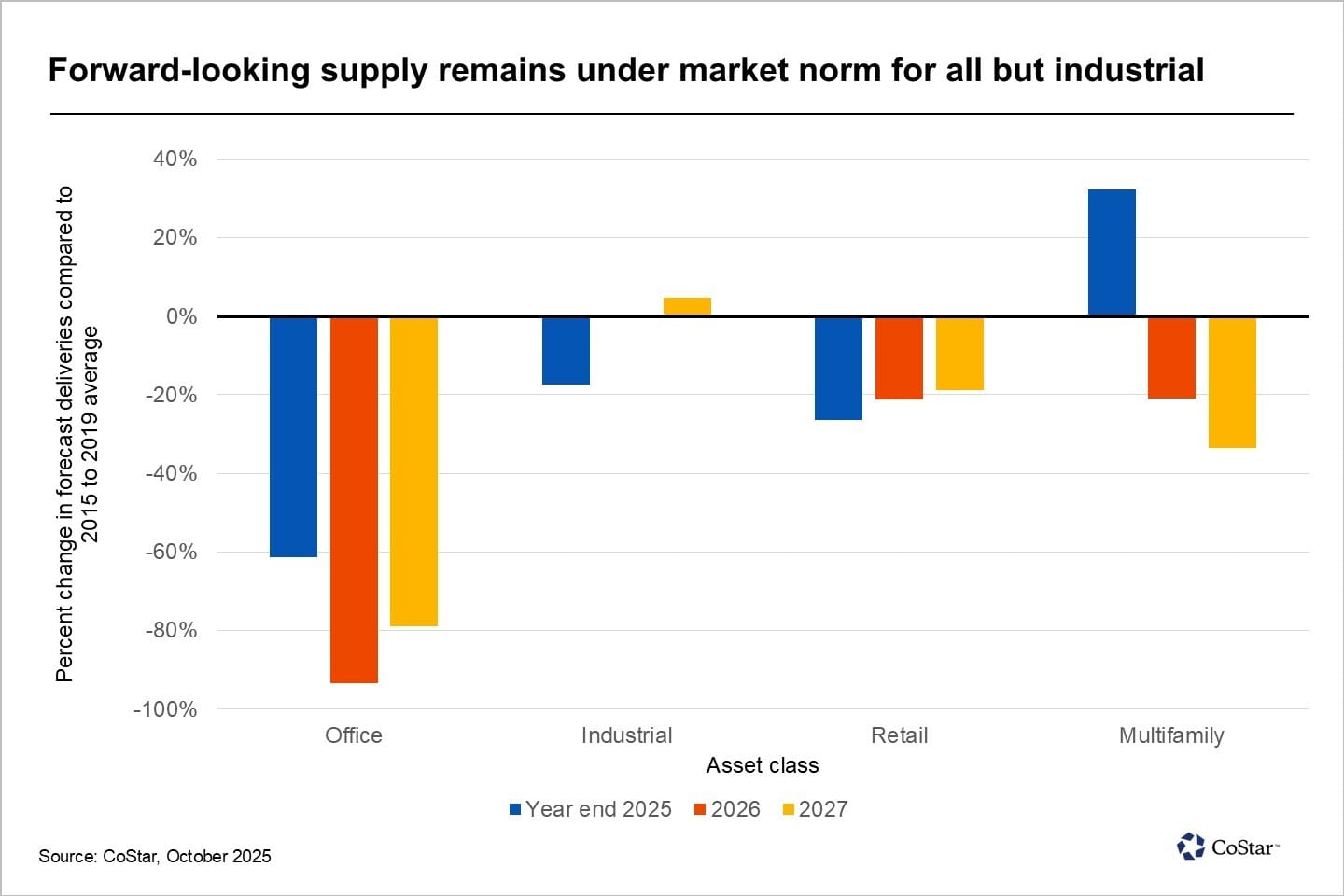
The DFW market is transitioning into a new construction phase marked by a slowdown in office development, a more selective approach to industrial projects, and an evolving housing landscape shaped by affordability and population growth. Developers are recalibrating their priorities, and for real estate professionals, understanding these shifts offers a critical edge in navigating—and capitalizing on—the next phase of the metroplex’s growth.

Zillow Faces New Lawsuit Over Alleged Pressure on Buyers to Use Zillow Home Loans

A new federal lawsuit claims Zillow pushed homebuyers toward Zillow Home Loans by rewarding affiliated agents with valuable leads — all without proper disclosure. The suit alleges undisclosed incentives, referral quotas, and potential RESPA violations, raising major concerns about steering, fiduciary duties, and Zillow’s expanding mortgage ambitions.

Embracing Innovation to Stay Competitive in a Shifting Mortgage Market

The mortgage industry is evolving fast, and the lenders who come out on top will be those who innovate without uprooting what already works. By building on strong technology foundations, streamlining workflows and adopting smart automation, lenders can reduce costs, improve customer experience and stay resilient in any market cycle. This article breaks down why innovation matters now, how a stable tech ecosystem protects lenders in volatile conditions and why small, strategic steps can drive long-term transformation.