“`html

Electric Vehicle Market Surges Amidst Economic and Environmental Challenges

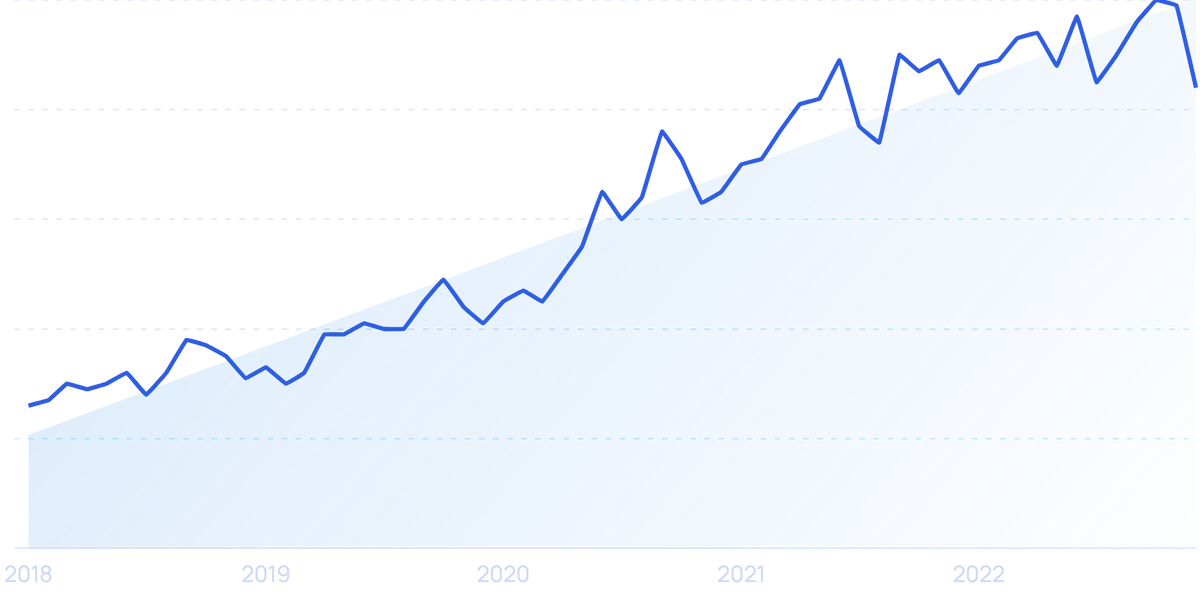
The global electric vehicle (EV) market is experiencing a remarkable transformation, driven by a combination of technological advancements, policy incentives, and growing environmental awareness. According to a report by the TRENDS Research & Advisory, sales of battery electric vehicles (BEVs) and plug-in hybrid electric vehicles (PHEVs) soared beyond 10 million in 2022, marking a 55% increase from the previous year. This surge underscores the rapid adoption of EVs despite challenges such as supply chain disruptions and fluctuating energy prices.

The Global EV Outlook 2023 by the International Energy Agency (IEA) highlights the pivotal role of government policies in this growth. The Electric Vehicles Initiative (EVI), established under the Clean Energy Ministerial, has been instrumental in promoting zero-emission government fleets, further accelerating the shift towards sustainable transport solutions.

Global Trends and Policy Efforts

In line with the IEA’s Stated Policies Scenario (STEPS), the global share of EV sales is projected to reach 35% by 2030, with China, the United States, and Europe leading the charge. This growth trajectory is bolstered by strategic legislation and expanding battery manufacturing capacities, aimed at meeting the rising demand for EVs.

Despite these positive trends, the market faces hurdles such as the high cost of EVs, limited charging infrastructure, and battery technology challenges. To address these issues, governments and private entities are investing in innovative business models and enhanced charging networks, as emphasized in Fayez Alanazi’s research on EV adaptation.

Environmental and Economic Implications

Electric vehicles are heralded as a crucial solution to reducing greenhouse gas emissions, a sentiment echoed in the Gemopai report. EVs offer zero tailpipe emissions, contributing significantly to cleaner air and a reduction in the carbon footprint of transportation.

However, the economic rationale for EV adoption is complex. A study by David S. Rapson and Erich Muehlegger from the National Bureau of Economic Research explores the balance between operational savings and the upfront costs of EVs. The study suggests that while subsidies and incentives are crucial, they must be tailored to regional energy policies and market dynamics to maximize their impact.

The Future of Electric Mobility

The hybrid vehicle market is also experiencing growth, with projections indicating a 14% increase by 2031. This trend, highlighted by Fact.MR, reflects a shift in consumer preferences towards eco-friendly transportation options, driven by rising environmental consciousness and fuel efficiency demands.

Looking ahead, the EV market is poised for substantial expansion, with forecasts predicting a market size of $56.7 trillion by 2050, as reported by Nasdaq. This growth is expected to transform the automobile and energy sectors, with Chinese manufacturers leading the charge in EV production and innovation.

Conclusion

The path to achieving net-zero emissions by 2050 is intricately linked to the widespread adoption of electric vehicles. As highlighted by McKinsey & Company, this transition presents both opportunities and challenges for automakers and policymakers alike. By navigating these complexities and fostering collaboration across sectors, the electric vehicle industry can drive meaningful progress towards a sustainable and low-carbon future.

“`

More Articles

Getting licensed or staying ahead in your career can be a journey—but it doesn’t have to be overwhelming. Grab your favorite coffee or tea, take a moment to relax, and browse through our articles. Whether you’re just starting out or renewing your expertise, we’ve got tips, insights, and advice to keep you moving forward. Here’s to your success—one sip and one step at a time!

Exploring the Shifting Landscape of Real Estate in 2024

This trend is beneficial for existing homeowners, who have seen their equity rise by 9.6% last year, adding $1.5 trillion collectively.

By |October 11, 2024|Categories: Article, Market Trends, Real Estate|Tags: |0 Comments

Streamlining Real Estate Success: A Deep Dive into CRM Software for 2024

In the fast-paced world of real estate, efficiency is not just a luxury—it's a necessity. The Tech Report's recent analysis sheds light on the pivotal role of CRM software in transforming how real estate professionals manage leads, engage with clients, and close deals.

By |October 11, 2024|Categories: Article, Real Estate, Technology|Tags: , |0 Comments

Revolutionizing the Real Estate Tech Landscape

The real estate industry has just witnessed the release of its first comprehensive Customer Relationship Management (CRM) guide, titled "The Kerfuffle CRM Guide For Estate & Letting Agents."

By |October 11, 2024|Categories: Article, Real Estate, Technology|Tags: , |0 Comments

Exploring Real Estate Investment: A Comprehensive Guide

Real estate investment is a popular avenue for diversifying one's portfolio and generating passive income. However, the traditional notion of becoming a landlord—complete with calls about leaky faucets and pest control—might not appeal to everyone.

Hurricane Helene’s Impact on the Southeast: A Real Estate Perspective

Hurricane Helene made landfall as a Category 4 hurricane with wind speeds of 140 mph, initially impacting Florida's Big Bend. The storm claims 17 lives and poses $5.6 billion in potential flood damages, with commercial properties at significant wind damage risk.

By |October 10, 2024|Categories: Article, Natural Disasters, Real Estate|Tags: , |0 Comments

Real Estate Rule Changes Shift Commission Costs to Homebuyers

The longstanding practice where sellers routinely covered buyer agent commissions will become a relic of the past.


By |October 10, 2024|Categories: Article, Finance, Real Estate|Tags: , |0 Comments