In a pivotal move towards a greener Europe, the European Environment Agency (EEA) has spotlighted the transformative potential of smart renovations and sustainable building practices. As outlined in their latest report, the construction, usage, and demolition of buildings are substantial contributors to environmental degradation and climate change.
Currently, buildings account for over 30% of the EU’s environmental footprint, a staggering figure that underscores the urgency of reform. The EEA report, Addressing the environmental and climate footprint of buildings, reveals that this sector is responsible for a significant chunk of material consumption, energy use, and greenhouse gas emissions.
Renovations using sustainable materials, coupled with designs that incorporate green solutions like vegetation, are emphasized as critical strategies. Such measures not only reduce energy consumption but also enhance climate resilience and promote biodiversity.
Policy Support and Initiatives
The report highlights the role of EU policies in facilitating this transition. Notably, the New European Bauhaus initiative launched in 2021 aims to foster sustainable transformations in the built environment. Furthermore, the European Commission is poised to intensify its focus on affordable and sustainable housing through upcoming strategies.
Future Directions
As Europe looks to the future, a multi-faceted approach that marries renovation with robust policy support is essential. This strategy not only promises to enhance environmental performance but also aims to build a more resilient and inclusive housing system, paving the way for a sustainable future.
More Articles
Getting licensed or staying ahead in your career can be a journey—but it doesn’t have to be overwhelming. Grab your favorite coffee or tea, take a moment to relax, and browse through our articles. Whether you’re just starting out or renewing your expertise, we’ve got tips, insights, and advice to keep you moving forward. Here’s to your success—one sip and one step at a time!
The real estate industry is on the brink of a transformation, driven by the integration of the Internet of Things (IoT). This technological advancement is reshaping how buildings operate and enhancing tenant experiences across the globe.
"This framework postulates New Orleans as already living in the future," said Patterson during the exhibition's opening. Lash added, "We want to show New Orleans as a gift and as a scout." The exhibition, featuring 51 artists across 21 venues, highlights how contemporary art can serve as an engine of coping, rather than mere recovery.
As the dust settles on the recent Republican victory in the U.S. presidential election, the tax landscape is poised for significant changes with President-elect Donald Trump set to return to the White House.
As we step into 2025, the multifamily housing sector is projected to experience modest growth. Yardi Matrix anticipates a 1.5% increase in rents, driven by positive economic conditions and stable industry fundamentals, particularly in the Northeast and Midwest regions. However, the rent growth forecasts vary across different markets.
Recent surveys have shed light on the preferences and priorities of renters in 2024, emphasizing the dominance of digital marketing and the importance of community inclusiveness.
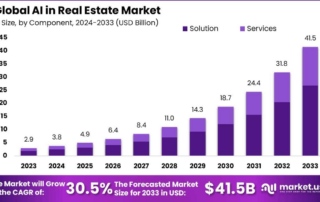
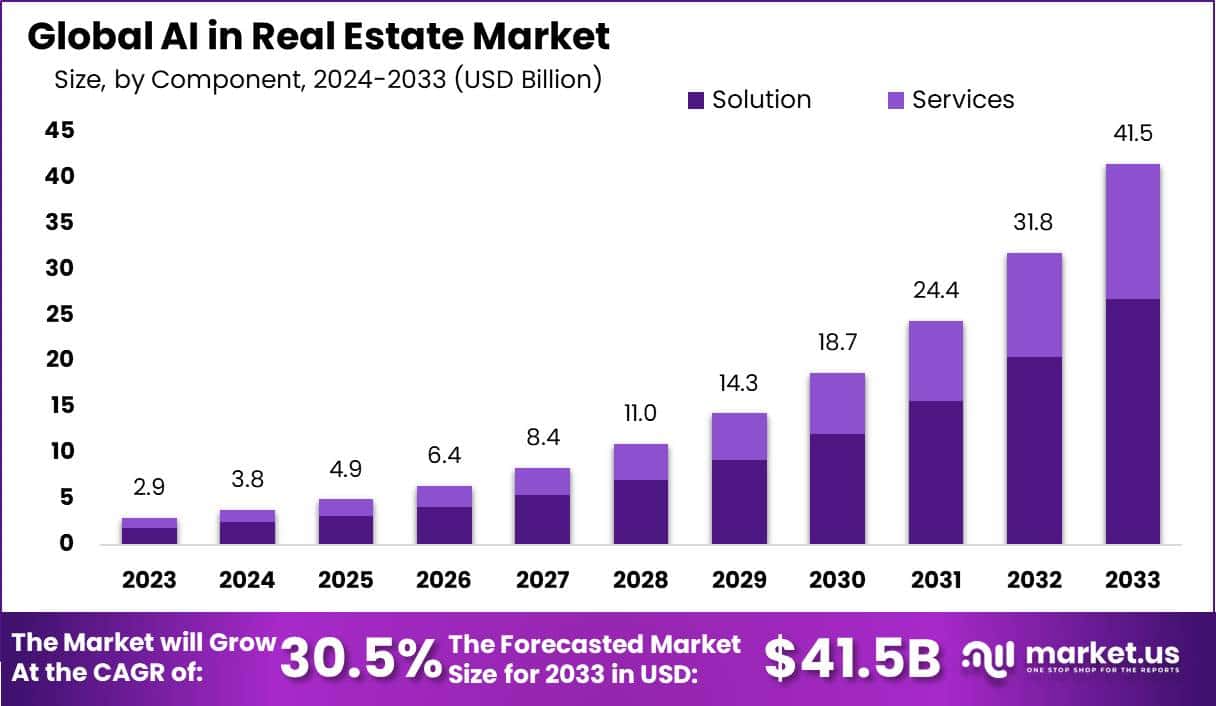
The real estate industry is on the brink of a technological transformation, with Artificial Intelligence (AI) playing a pivotal role. According to a recent report by Market.us, the AI in real estate market is projected to surge from USD 2.9 Billion in 2023 to a staggering USD 41.5 Billion by 2033, growing at an impressive CAGR of 30.5%.