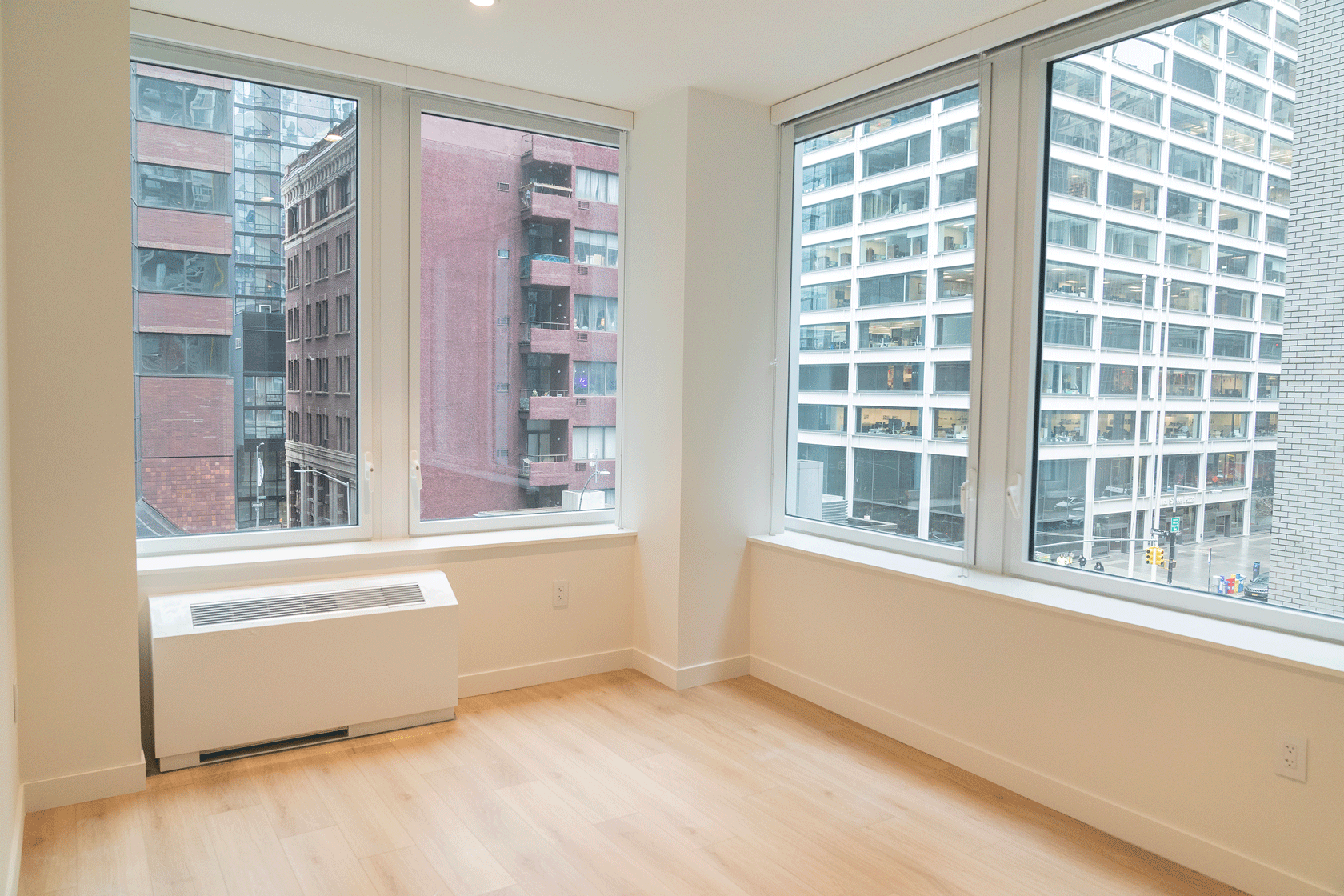
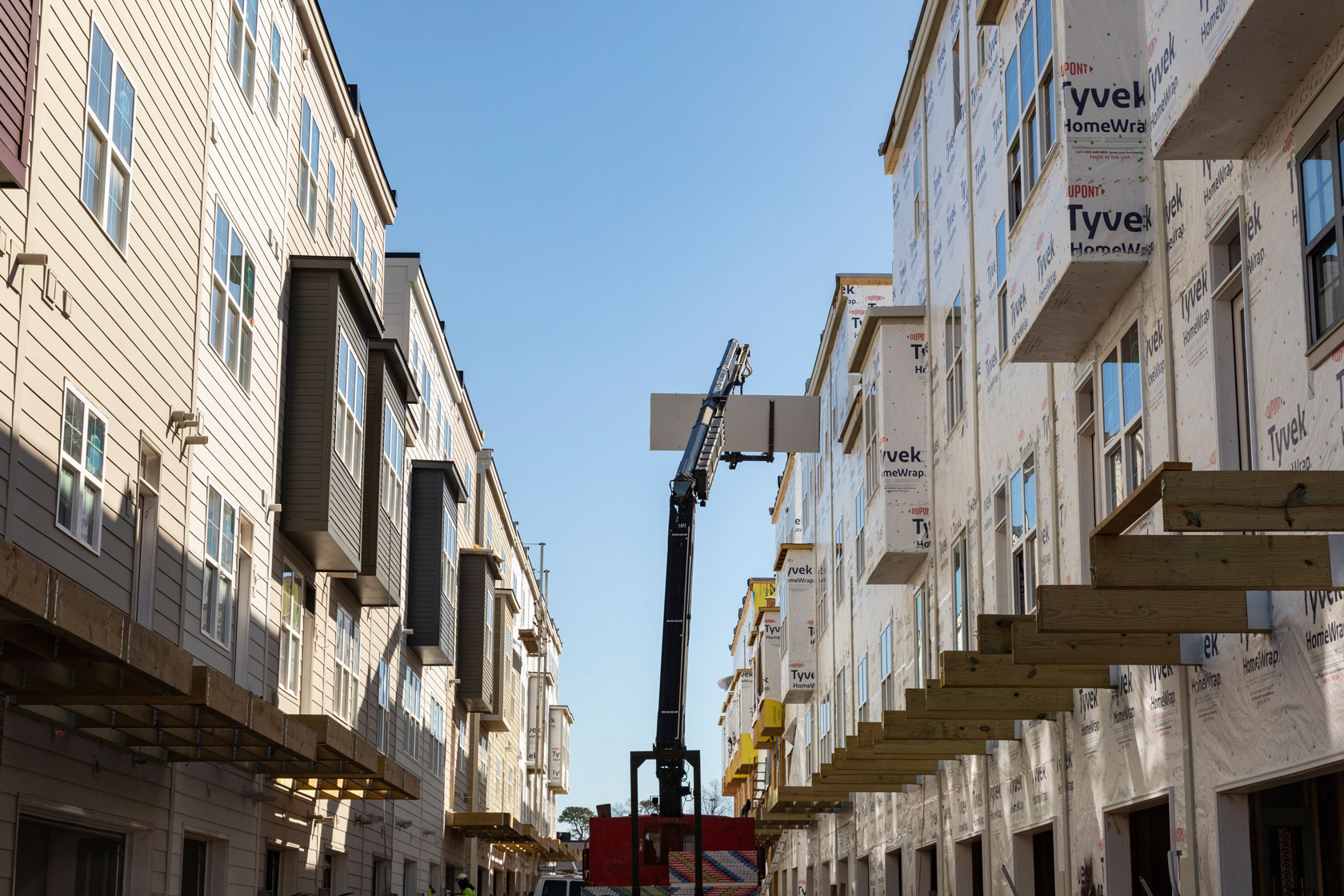
In a pivotal move towards a greener Europe, the European Environment Agency (EEA) has spotlighted the transformative potential of smart renovations and sustainable building practices. As outlined in their latest report, the construction, usage, and demolition of buildings are substantial contributors to environmental degradation and climate change.
Currently, buildings account for over 30% of the EU’s environmental footprint, a staggering figure that underscores the urgency of reform. The EEA report, Addressing the environmental and climate footprint of buildings, reveals that this sector is responsible for a significant chunk of material consumption, energy use, and greenhouse gas emissions.
Renovations using sustainable materials, coupled with designs that incorporate green solutions like vegetation, are emphasized as critical strategies. Such measures not only reduce energy consumption but also enhance climate resilience and promote biodiversity.
Policy Support and Initiatives
The report highlights the role of EU policies in facilitating this transition. Notably, the New European Bauhaus initiative launched in 2021 aims to foster sustainable transformations in the built environment. Furthermore, the European Commission is poised to intensify its focus on affordable and sustainable housing through upcoming strategies.
Future Directions
As Europe looks to the future, a multi-faceted approach that marries renovation with robust policy support is essential. This strategy not only promises to enhance environmental performance but also aims to build a more resilient and inclusive housing system, paving the way for a sustainable future.
More Articles
Getting licensed or staying ahead in your career can be a journey—but it doesn’t have to be overwhelming. Grab your favorite coffee or tea, take a moment to relax, and browse through our articles. Whether you’re just starting out or renewing your expertise, we’ve got tips, insights, and advice to keep you moving forward. Here’s to your success—one sip and one step at a time!
Luxury home prices are soaring, with an 8.8% year-over-year increase in Q2 2024. The ultra-wealthy buyers, defined as those with at least $30 million in liquid assets, are transforming the market with their strategic approaches.
The COVID-19 pandemic has dramatically reshaped the landscape of commercial real estate in the United States. As remote work became the norm, office vacancy rates soared to unprecedented levels, leaving many urban centers with empty office buildings.
The real estate industry, long perceived as a bastion of tradition, is on the brink of a technological revolution. Enter blockchain technology, a digital innovation promising to transform property transactions by enhancing security, transparency, and efficiency.
Recent developments have spotlighted a critical issue in urban America: the housing affordability crisis. With over 45 million U.S. households renting, many face severe financial strains due to high rental costs.
Blockchain technology is set to revolutionize the real estate industry, bringing unprecedented levels of security and transparency to property transactions.