In a pivotal move towards a greener Europe, the European Environment Agency (EEA) has spotlighted the transformative potential of smart renovations and sustainable building practices. As outlined in their latest report, the construction, usage, and demolition of buildings are substantial contributors to environmental degradation and climate change.
Currently, buildings account for over 30% of the EU’s environmental footprint, a staggering figure that underscores the urgency of reform. The EEA report, Addressing the environmental and climate footprint of buildings, reveals that this sector is responsible for a significant chunk of material consumption, energy use, and greenhouse gas emissions.
Renovations using sustainable materials, coupled with designs that incorporate green solutions like vegetation, are emphasized as critical strategies. Such measures not only reduce energy consumption but also enhance climate resilience and promote biodiversity.
Policy Support and Initiatives
The report highlights the role of EU policies in facilitating this transition. Notably, the New European Bauhaus initiative launched in 2021 aims to foster sustainable transformations in the built environment. Furthermore, the European Commission is poised to intensify its focus on affordable and sustainable housing through upcoming strategies.
Future Directions
As Europe looks to the future, a multi-faceted approach that marries renovation with robust policy support is essential. This strategy not only promises to enhance environmental performance but also aims to build a more resilient and inclusive housing system, paving the way for a sustainable future.
More Articles
Getting licensed or staying ahead in your career can be a journey—but it doesn’t have to be overwhelming. Grab your favorite coffee or tea, take a moment to relax, and browse through our articles. Whether you’re just starting out or renewing your expertise, we’ve got tips, insights, and advice to keep you moving forward. Here’s to your success—one sip and one step at a time!
The real estate industry is poised on the brink of a digital revolution, as proptech trends in 2024 promise to reshape the market landscape. After a turbulent period marked by skyrocketing mortgage payments, the sector is now stabilizing, creating fertile ground for technological innovation.
As the cost of living continues to rise, finding an affordable place to call home has become a priority for many Americans. A recent analysis by Norada Real Estate Investments highlights the top 10 cheapest housing markets in the United States for 2024, providing potential homebuyers with economically viable options.
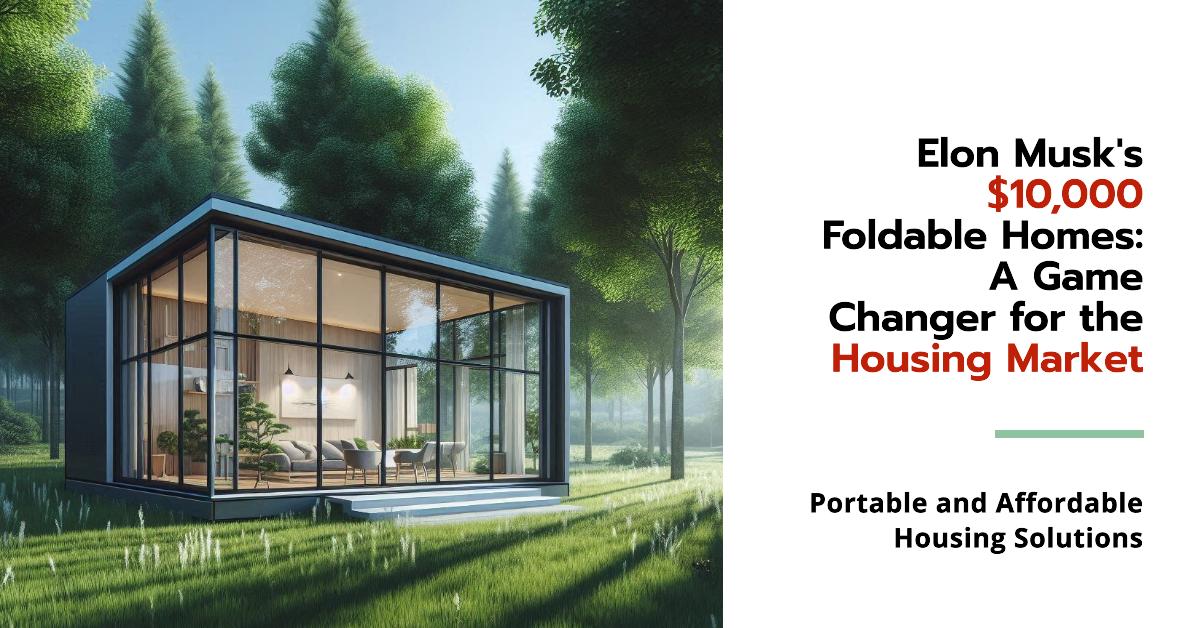
Musk's initiative could significantly reshape the housing market. By offering competitively priced, sustainable homes, the project could inspire other builders to focus on cost-effective, eco-friendly solutions. This shift might also encourage a cultural change, where smaller, more efficient homes gain popularity over traditional larger properties.
The real estate sector in India is experiencing a profound transformation, driven by the rise of remote working. As professionals embrace flexibility, their preferences for living spaces have evolved, impacting both residential and commercial real estate dynamics.
The commercial real estate sector is bracing for a tumultuous year ahead, as it navigates the unpredictable waters of economic uncertainty and fluctuating interest rates.
Non-resident individuals must navigate complex U.S. tax laws and carefully choose suitable holding structures to maximize their investment and minimize risk.