Embracing the AI Frontier: USPTO’s Strategic Vision

The realm of Artificial Intelligence (AI) within intellectual property is undergoing a transformative phase. On January 14, 2025, the U.S. Patent and Trademark Office (USPTO) unveiled its comprehensive AI Strategy, an initiative designed to navigate the intricate landscape of AI’s integration into intellectual property (IP) policy, agency operations, and the broader innovation ecosystem.

This strategic document, as reported by Mintz, arrives amidst significant shifts in U.S. administration policies. Initially crafted in alignment with President Biden’s 2023 Executive Order on AI, the strategy faced a pivotal change when President Trump revoked this order on January 20, 2025. Trump’s administration subsequently issued a new directive titled “Removing Barriers to American Leadership in Artificial Intelligence”, emphasizing the enhancement of American global AI dominance.

Key Focus Areas of the USPTO’s AI Strategy

The USPTO’s AI Strategy delineates five critical focus areas:
  1. Advancing IP Policies: The strategy underscores the need for inclusive AI innovation, addressing emerging AI-related IP policy issues, and fostering involvement with educational institutions.
  2. Building AI Capabilities: By investing in computational infrastructure and data resources, the USPTO aims to enhance its operational efficiencies and extend AI tools into trademark and design patent examination processes.
  3. Promoting Responsible AI Use: Guided by principles of safety, fairness, and transparency, the USPTO seeks to uphold public trust in AI systems and ensure ethical data use.
  4. Developing AI Expertise: The strategy includes expanded training for USPTO Examiners and aims to attract talent with AI-related expertise.
  5. Collaborating on AI Initiatives: The USPTO emphasizes a collaborative approach with other U.S. agencies, international partners, and the public on AI matters impacting the global IP system.

Anticipating the Future

As the USPTO navigates these strategic pathways, it anticipates a significant uptick in AI-related patent filings, a trend already evident with a 33% increase since 2018. This surge underscores the agency’s commitment to nurturing innovation and competitiveness within the U.S. and globally.

In the words of Mintz, the USPTO’s AI Strategy is a bold vision to “unleash American potential” through AI adoption, driving U.S. innovation, inclusive capitalism, and global competitiveness. As we witness the unfolding of this strategic initiative, the interplay between evolving presidential directives and the USPTO’s mission will undoubtedly shape the future of AI in intellectual property.

For more insights and updates, consider subscribing to Mintz Viewpoints.

More Articles

Getting licensed or staying ahead in your career can be a journey—but it doesn’t have to be overwhelming. Grab your favorite coffee or tea, take a moment to relax, and browse through our articles. Whether you’re just starting out or renewing your expertise, we’ve got tips, insights, and advice to keep you moving forward. Here’s to your success—one sip and one step at a time!

The Digital Healthcare Revolution: Transforming Patient Care with Technology

The global digital health market is set to skyrocket, with projections estimating it will reach $551.09 billion by 2027. This growth is fueled by innovations that are setting new benchmarks in healthcare delivery.

By |November 28, 2024|Categories: Article, Healthcare, Technology|Tags: , |0 Comments

University of Pennsylvania Pioneers the Planetary Health Curriculum

This innovative program equips medical students with the knowledge to understand and mitigate the effects of climate change on human health.

The Deep-Learning Triple Threat Transforming Medical Imaging

AI is being hailed as a "triple threat" in radiology, impacting planning, scanning, and diagnosis. As detailed in a recent column by Kelly Londy of GE HealthCare, these intelligent imaging systems are ushering in seismic changes reminiscent of the transformative impact of computer-assisted tomography in the late 20th century.

Federal Reserve’s Interest Rate Cut: Implications for the Housing Market

In a significant move that has captured the attention of economists and homebuyers alike, the Federal Reserve recently announced a half-percentage-point cut in interest rates. This decision is poised to bring about notable changes in the housing market, though not all effects may be beneficial for prospective homeowners.

By |November 27, 2024|Categories: Article, Economics, Real Estate|Tags: , |0 Comments

Public Perceptions of AI in Healthcare: A Balancing Act Between Innovation and Ethics

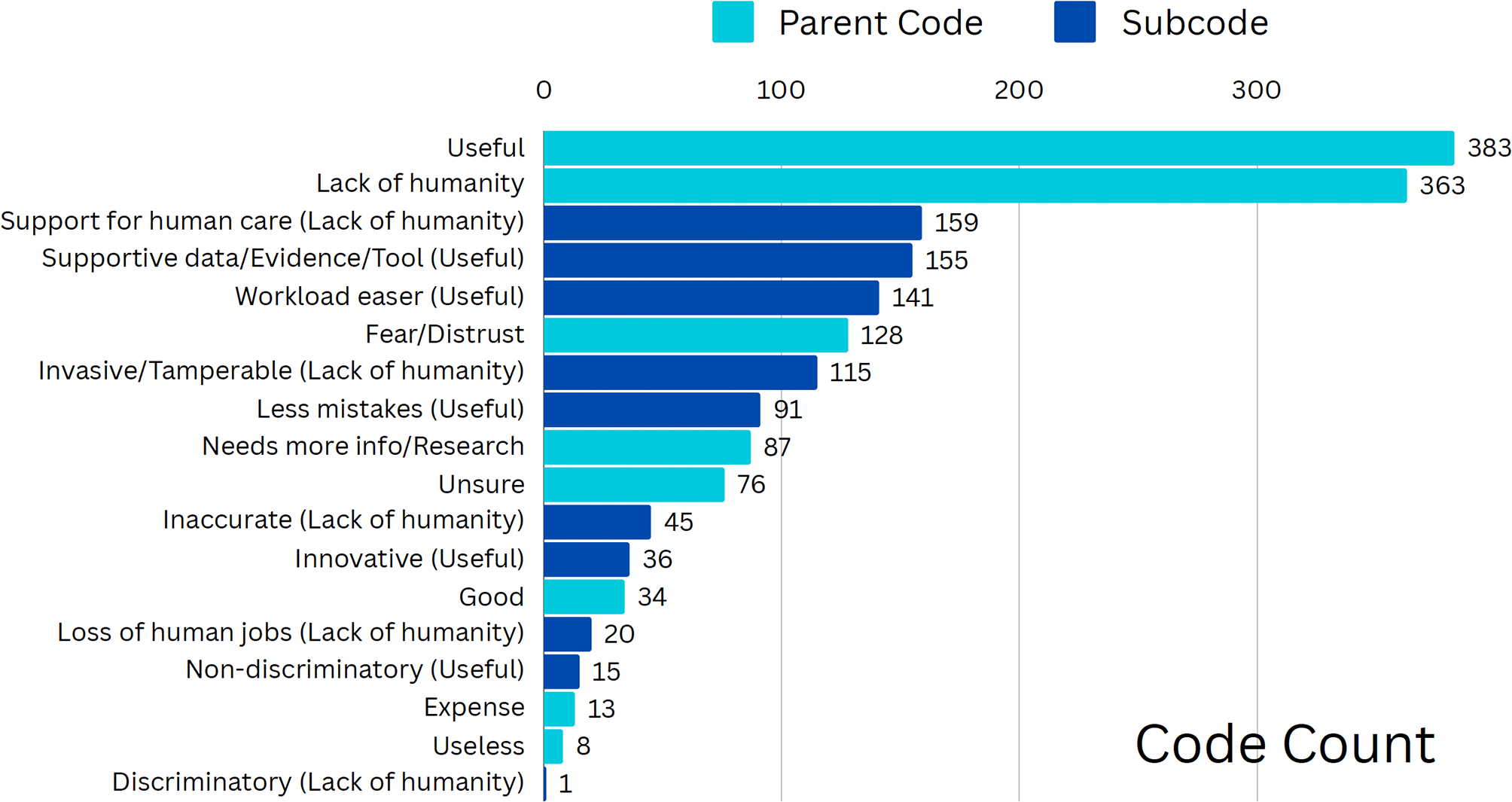
In the rapidly evolving landscape of healthcare, the integration of artificial intelligence (AI) stands as a beacon of both promise and concern. The research underscores a significant tension: while AI has the capability to enhance healthcare delivery, there is palpable unease about its impact on the traditional physician-patient relationship.

By |November 27, 2024|Categories: Article, Ethics, Healthcare|Tags: , |0 Comments

The Ethical Dilemmas of AI: A Modern Conundrum

As artificial intelligence (AI) technology advances, it presents a myriad of ethical dilemmas and challenges that demand urgent attention. The USC Annenberg School for Communication and Journalism recently explored these pressing issues, highlighting the complexities involved in AI's deployment.

By |November 27, 2024|Categories: Article, Ethics, Technology|Tags: , |0 Comments