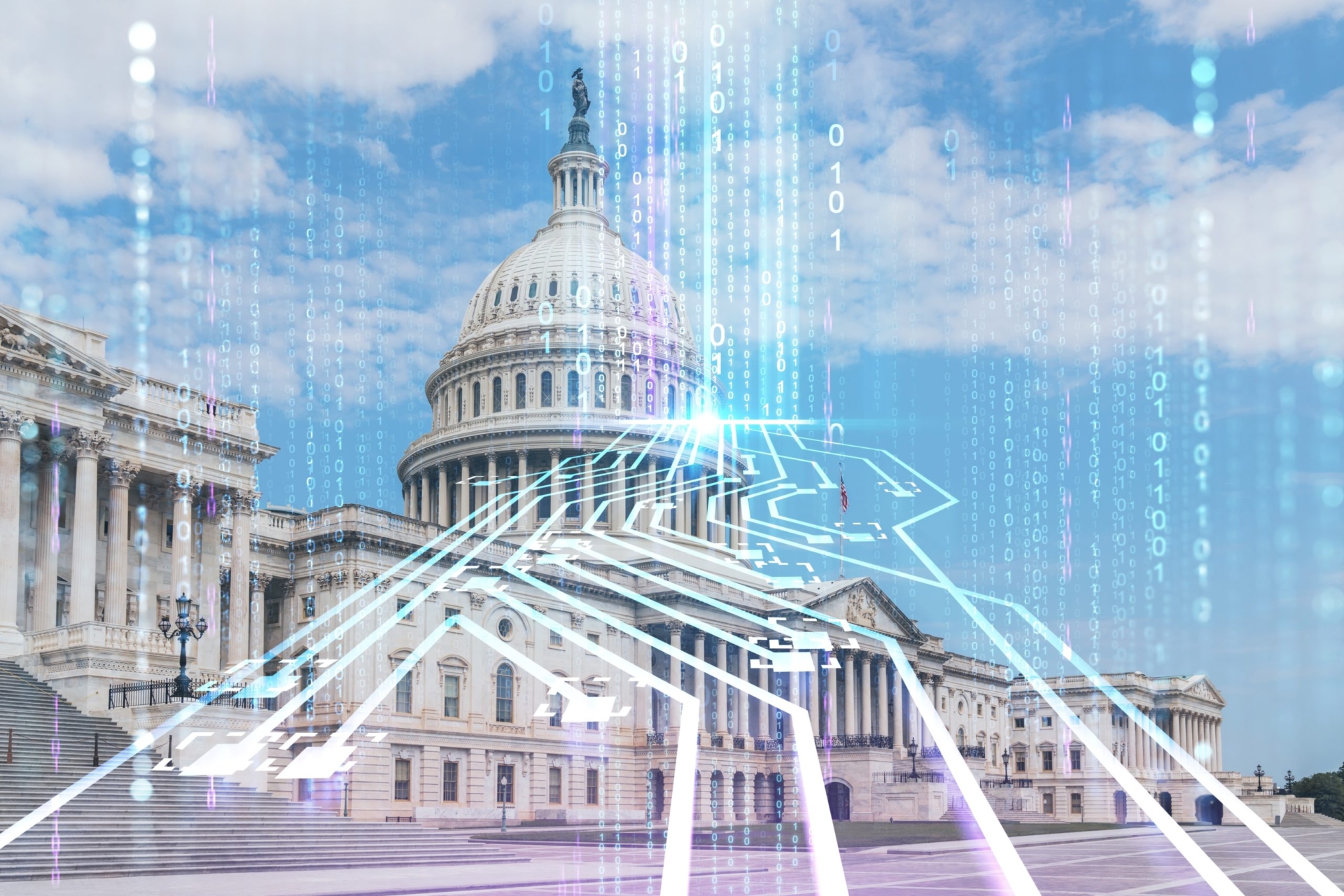
Embracing the AI Frontier: USPTO’s Strategic Vision

The realm of Artificial Intelligence (AI) within intellectual property is undergoing a transformative phase. On January 14, 2025, the U.S. Patent and Trademark Office (USPTO) unveiled its comprehensive AI Strategy, an initiative designed to navigate the intricate landscape of AI’s integration into intellectual property (IP) policy, agency operations, and the broader innovation ecosystem.

This strategic document, as reported by Mintz, arrives amidst significant shifts in U.S. administration policies. Initially crafted in alignment with President Biden’s 2023 Executive Order on AI, the strategy faced a pivotal change when President Trump revoked this order on January 20, 2025. Trump’s administration subsequently issued a new directive titled “Removing Barriers to American Leadership in Artificial Intelligence”, emphasizing the enhancement of American global AI dominance.

Key Focus Areas of the USPTO’s AI Strategy

The USPTO’s AI Strategy delineates five critical focus areas:
  1. Advancing IP Policies: The strategy underscores the need for inclusive AI innovation, addressing emerging AI-related IP policy issues, and fostering involvement with educational institutions.
  2. Building AI Capabilities: By investing in computational infrastructure and data resources, the USPTO aims to enhance its operational efficiencies and extend AI tools into trademark and design patent examination processes.
  3. Promoting Responsible AI Use: Guided by principles of safety, fairness, and transparency, the USPTO seeks to uphold public trust in AI systems and ensure ethical data use.
  4. Developing AI Expertise: The strategy includes expanded training for USPTO Examiners and aims to attract talent with AI-related expertise.
  5. Collaborating on AI Initiatives: The USPTO emphasizes a collaborative approach with other U.S. agencies, international partners, and the public on AI matters impacting the global IP system.

Anticipating the Future

As the USPTO navigates these strategic pathways, it anticipates a significant uptick in AI-related patent filings, a trend already evident with a 33% increase since 2018. This surge underscores the agency’s commitment to nurturing innovation and competitiveness within the U.S. and globally.

In the words of Mintz, the USPTO’s AI Strategy is a bold vision to “unleash American potential” through AI adoption, driving U.S. innovation, inclusive capitalism, and global competitiveness. As we witness the unfolding of this strategic initiative, the interplay between evolving presidential directives and the USPTO’s mission will undoubtedly shape the future of AI in intellectual property.

For more insights and updates, consider subscribing to Mintz Viewpoints.

More Articles

Getting licensed or staying ahead in your career can be a journey—but it doesn’t have to be overwhelming. Grab your favorite coffee or tea, take a moment to relax, and browse through our articles. Whether you’re just starting out or renewing your expertise, we’ve got tips, insights, and advice to keep you moving forward. Here’s to your success—one sip and one step at a time!

Berlin-based Aignostics Secures €31.4 Million Series B Funding

In a significant stride for precision medicine, Aignostics, a pioneering artificial intelligence company, has announced the successful closure of a €31.4 million Series B funding round.

AI in Health Care: Opportunities and Challenges Ahead

In a world where technology is rapidly reshaping industries, the intersection of artificial intelligence (AI) and health care stands as a beacon of transformative potential. The Bipartisan Policy Center (BPC), a nonprofit organization dedicated to fostering bipartisan solutions, has recently addressed this critical synergy, emphasizing both the opportunities and challenges that lie ahead.

By |November 3, 2024|Categories: Article, Artificial Intelligence (AI), Health Care|Tags: , |0 Comments

Top 7 Construction Industry Trends in 2024

As we step into 2024, the construction industry is navigating a complex landscape marked by both challenges and opportunities. Labor shortages and supply chain disruptions continue to pose significant hurdles. Yet, there are bright spots on the horizon, with environmentally responsible projects and AI-driven innovations leading the charge.

AI in Healthcare: Pioneering Precision Health at Northeastern University

"If AI is working the way that we envision it, you actually won’t notice a lot of direct impact," says Sam Scarpino, the AI+Life Sciences director at Northeastern University. The vision is for AI to operate quietly in the background, much like a well-oiled engine, enhancing the efficiency of medical processes and enabling earlier detection of diseases, such as cancer.

U.S. Department of Transportation Unveils Roadmap for V2X Technology

The U.S. Department of Transportation has released a comprehensive plan to accelerate the rollout of this transformative technology across American roads. V2X technology allows cars and trucks to exchange critical information such as speed, position, and road conditions with each other and with road infrastructure. This system is designed to prevent collisions and reduce the impact of crashes, potentially saving thousands of lives annually.

Unveiling the Genetic Secrets: Groundbreaking Study on Rare Diseases in Germany

In a groundbreaking effort to unravel the mysteries of rare diseases, a recent Germany-wide study has leveraged cutting-edge genetic diagnostics to make significant strides in understanding these elusive conditions.

By |November 2, 2024|Categories: Article, Health, Technology|Tags: , |0 Comments