Embracing the AI Frontier: USPTO’s Strategic Vision

The realm of Artificial Intelligence (AI) within intellectual property is undergoing a transformative phase. On January 14, 2025, the U.S. Patent and Trademark Office (USPTO) unveiled its comprehensive AI Strategy, an initiative designed to navigate the intricate landscape of AI’s integration into intellectual property (IP) policy, agency operations, and the broader innovation ecosystem.

This strategic document, as reported by Mintz, arrives amidst significant shifts in U.S. administration policies. Initially crafted in alignment with President Biden’s 2023 Executive Order on AI, the strategy faced a pivotal change when President Trump revoked this order on January 20, 2025. Trump’s administration subsequently issued a new directive titled “Removing Barriers to American Leadership in Artificial Intelligence”, emphasizing the enhancement of American global AI dominance.

Key Focus Areas of the USPTO’s AI Strategy

The USPTO’s AI Strategy delineates five critical focus areas:
  1. Advancing IP Policies: The strategy underscores the need for inclusive AI innovation, addressing emerging AI-related IP policy issues, and fostering involvement with educational institutions.
  2. Building AI Capabilities: By investing in computational infrastructure and data resources, the USPTO aims to enhance its operational efficiencies and extend AI tools into trademark and design patent examination processes.
  3. Promoting Responsible AI Use: Guided by principles of safety, fairness, and transparency, the USPTO seeks to uphold public trust in AI systems and ensure ethical data use.
  4. Developing AI Expertise: The strategy includes expanded training for USPTO Examiners and aims to attract talent with AI-related expertise.
  5. Collaborating on AI Initiatives: The USPTO emphasizes a collaborative approach with other U.S. agencies, international partners, and the public on AI matters impacting the global IP system.

Anticipating the Future

As the USPTO navigates these strategic pathways, it anticipates a significant uptick in AI-related patent filings, a trend already evident with a 33% increase since 2018. This surge underscores the agency’s commitment to nurturing innovation and competitiveness within the U.S. and globally.

In the words of Mintz, the USPTO’s AI Strategy is a bold vision to “unleash American potential” through AI adoption, driving U.S. innovation, inclusive capitalism, and global competitiveness. As we witness the unfolding of this strategic initiative, the interplay between evolving presidential directives and the USPTO’s mission will undoubtedly shape the future of AI in intellectual property.

For more insights and updates, consider subscribing to Mintz Viewpoints.

More Articles

Getting licensed or staying ahead in your career can be a journey—but it doesn’t have to be overwhelming. Grab your favorite coffee or tea, take a moment to relax, and browse through our articles. Whether you’re just starting out or renewing your expertise, we’ve got tips, insights, and advice to keep you moving forward. Here’s to your success—one sip and one step at a time!

America’s Housing Affordability Crisis: A Deep Dive into 2024

The American dream of homeownership is slipping further out of reach for many as the nation grapples with a severe housing affordability crisis.

By |October 17, 2024|Categories: Article, Economic Issues, Housing Affordability|Tags: , |0 Comments

The Economic Payoff of Climate Resilience Investments

Each dollar spent on disaster preparedness can yield a remarkable $13 in savings on economic impact, damage, and cleanup costs. By investing in resilience today, we can safeguard our economic futures against the uncertainties of tomorrow.

By |October 16, 2024|Categories: Article, Climate Resilience, Economics|Tags: |0 Comments

California Legislators Target Corporate Landlords in Housing Market Shake-Up

California's housing market is in the crosshairs of some of the state's most influential lawmakers, who are determined to curb the influence of institutional investors. This legislative session, at least three bills are being considered to prevent these corporate landlords from amassing a significant number of the state's single-family homes.

Proposition 33: A Pivotal Moment in California’s Rent Control Debate

Proposition 33 has sparked a heated debate. Proponents argue that repealing Costa–Hawkins would allow cities to tailor rent control measures to their unique needs, potentially easing the financial burdens on renters.

By |October 16, 2024|Categories: Article, Housing, Legislation|Tags: , |0 Comments

The Trump Era: A Transformative Journey in the U.S. Housing Market

The presidency of Donald Trump ushered in a period of notable shifts in the U.S. housing market, characterized by tax cuts, deregulation, and the unforeseen impact of a global pandemic. This era, marked by both growth and uncertainty, offers a complex narrative of economic policy and market dynamics.

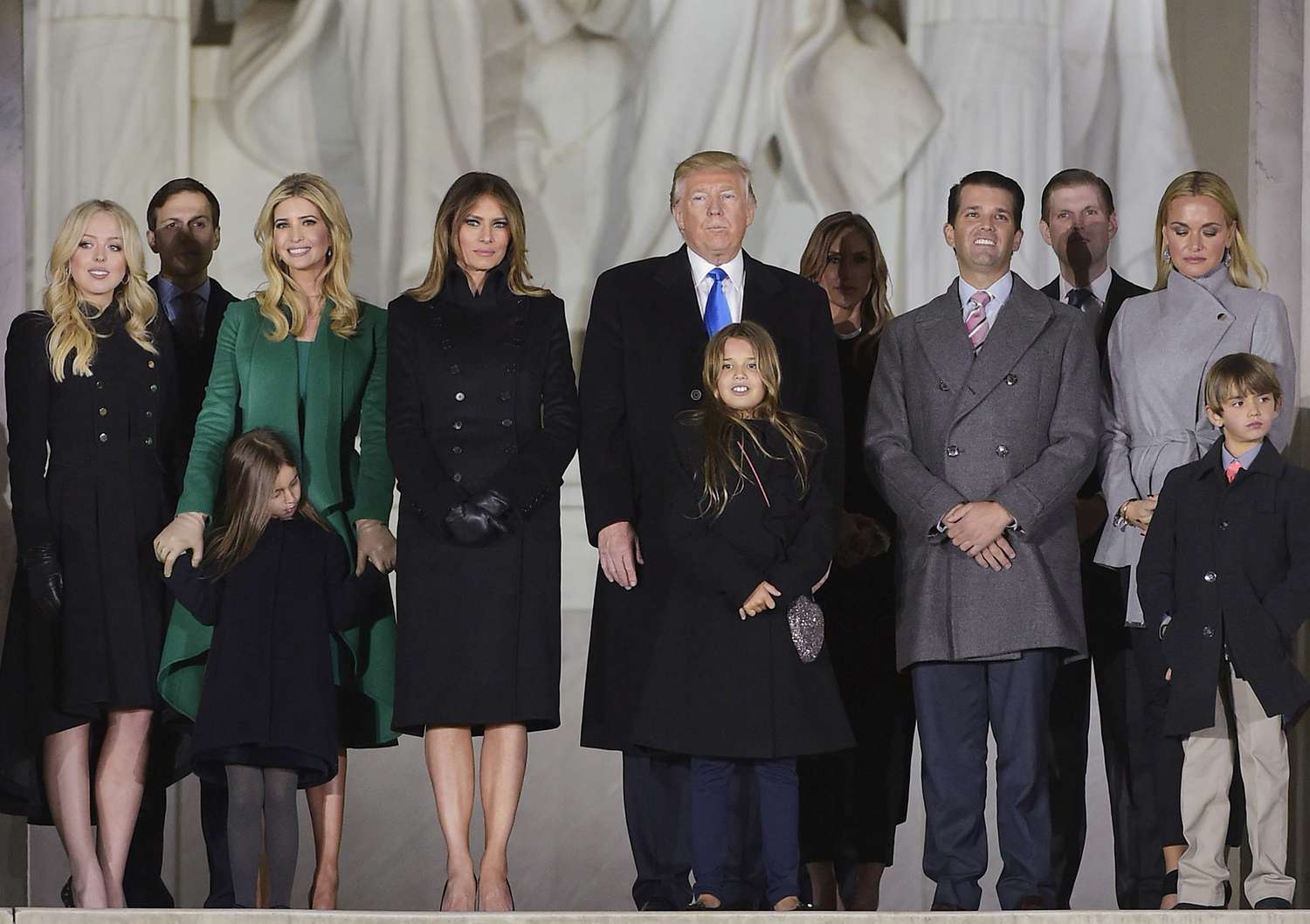
Donald Trump’s Intricate Family Web

Donald Trump, a name synonymous with real estate, reality television, and politics, presents a complex family tapestry woven with professional and personal threads. His family, deeply enmeshed in his business ventures and political pursuits, forms a network of intricate connections.


By |October 15, 2024|Categories: Article, Family, Politics|Tags: , |0 Comments