Embracing the AI Frontier: USPTO’s Strategic Vision

The realm of Artificial Intelligence (AI) within intellectual property is undergoing a transformative phase. On January 14, 2025, the U.S. Patent and Trademark Office (USPTO) unveiled its comprehensive AI Strategy, an initiative designed to navigate the intricate landscape of AI’s integration into intellectual property (IP) policy, agency operations, and the broader innovation ecosystem.

This strategic document, as reported by Mintz, arrives amidst significant shifts in U.S. administration policies. Initially crafted in alignment with President Biden’s 2023 Executive Order on AI, the strategy faced a pivotal change when President Trump revoked this order on January 20, 2025. Trump’s administration subsequently issued a new directive titled “Removing Barriers to American Leadership in Artificial Intelligence”, emphasizing the enhancement of American global AI dominance.

Key Focus Areas of the USPTO’s AI Strategy

The USPTO’s AI Strategy delineates five critical focus areas:
  1. Advancing IP Policies: The strategy underscores the need for inclusive AI innovation, addressing emerging AI-related IP policy issues, and fostering involvement with educational institutions.
  2. Building AI Capabilities: By investing in computational infrastructure and data resources, the USPTO aims to enhance its operational efficiencies and extend AI tools into trademark and design patent examination processes.
  3. Promoting Responsible AI Use: Guided by principles of safety, fairness, and transparency, the USPTO seeks to uphold public trust in AI systems and ensure ethical data use.
  4. Developing AI Expertise: The strategy includes expanded training for USPTO Examiners and aims to attract talent with AI-related expertise.
  5. Collaborating on AI Initiatives: The USPTO emphasizes a collaborative approach with other U.S. agencies, international partners, and the public on AI matters impacting the global IP system.

Anticipating the Future

As the USPTO navigates these strategic pathways, it anticipates a significant uptick in AI-related patent filings, a trend already evident with a 33% increase since 2018. This surge underscores the agency’s commitment to nurturing innovation and competitiveness within the U.S. and globally.

In the words of Mintz, the USPTO’s AI Strategy is a bold vision to “unleash American potential” through AI adoption, driving U.S. innovation, inclusive capitalism, and global competitiveness. As we witness the unfolding of this strategic initiative, the interplay between evolving presidential directives and the USPTO’s mission will undoubtedly shape the future of AI in intellectual property.

For more insights and updates, consider subscribing to Mintz Viewpoints.

More Articles

Getting licensed or staying ahead in your career can be a journey—but it doesn’t have to be overwhelming. Grab your favorite coffee or tea, take a moment to relax, and browse through our articles. Whether you’re just starting out or renewing your expertise, we’ve got tips, insights, and advice to keep you moving forward. Here’s to your success—one sip and one step at a time!

Fed Survey Shows Only Two More Rate Cuts Expected, Even if Trump Appoints a New Fed Chair

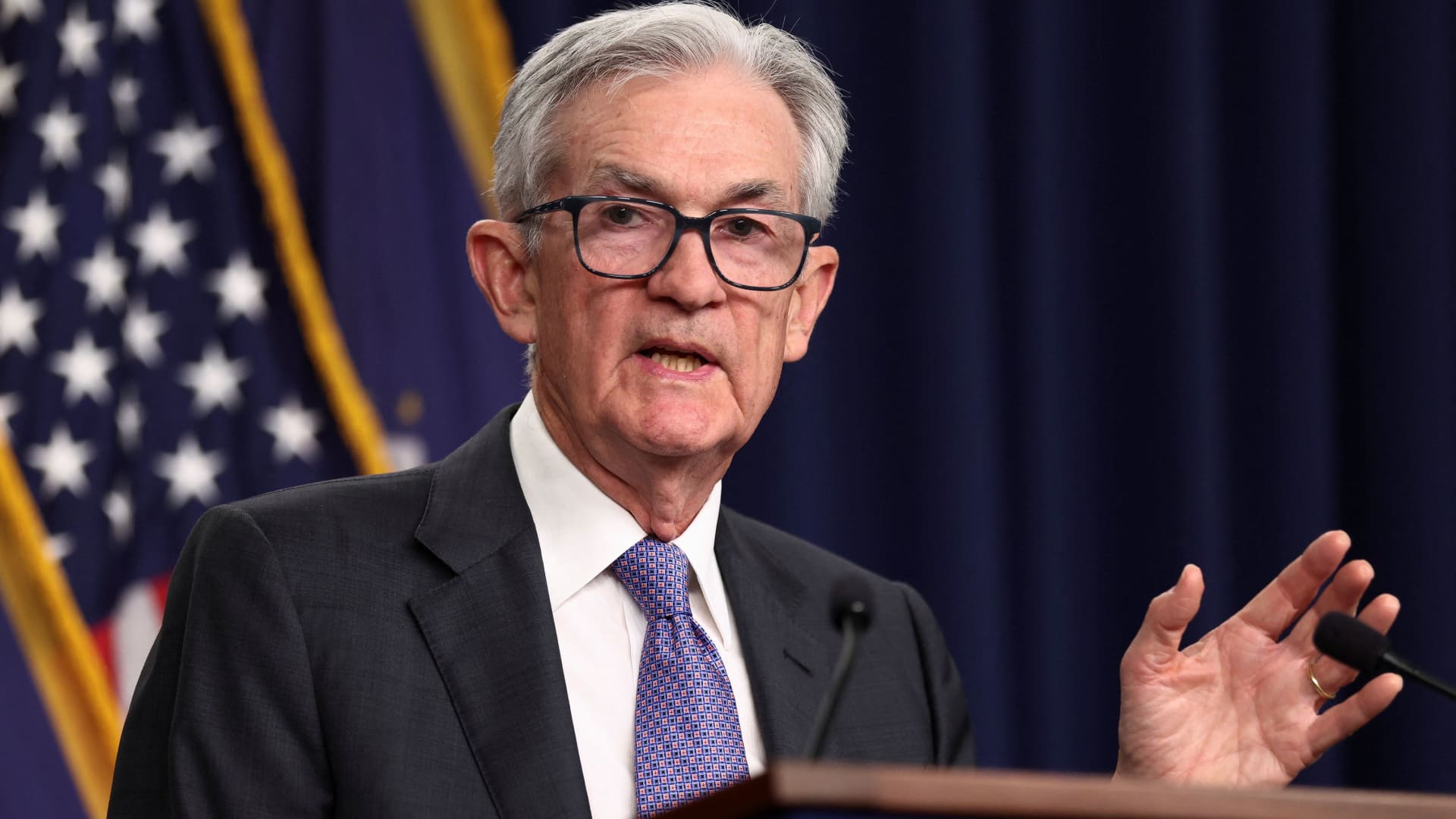
A new CNBC Fed Survey reveals that economists expect just two additional interest rate cuts in 2026 and none in 2027, even if President Donald Trump appoints a more dovish Federal Reserve chair. Strong economic growth, stable inflation, and reduced recession fears are keeping rate‑cut expectations limited, signaling a more stable long‑term environment for real estate, mortgage, and financial professionals.

15 States on the Brink: America’s Insurance Crisis Is Spreading Faster Than Anyone Expected

A nationwide insurance crisis is accelerating as climate‑driven disasters push premiums higher, force insurers out of multiple states, and reshape real estate and mortgage markets. Once limited to Florida and California, the instability now threatens 15 states where losses, extreme weather, and insurer withdrawals are creating mounting risks for homeowners and industry professionals alike.

Commercial Real Estate in 2026: Rightsizing, Cool Offices, and a Market Waiting for Clarity

Commercial real estate is entering 2026 with a cautious but strategic shift. Companies are ditching oversized offices in favor of smaller, higher‑quality spaces packed with amenities that attract today’s workforce. Downtown markets like Portland remain steady, while suburban vacancies rise and landlords get creative with incentives. Industrial real estate is cooling after years of explosive growth, and developers are hesitating—though multifamily and hotel projects continue to push forward. Overall, the theme of the year is patience, as businesses wait for clearer signals on interest rates, construction costs, and long‑term workplace trends.

The Real Reason Housing Isn’t Affordable—And Why Deregulation Won’t Save Us

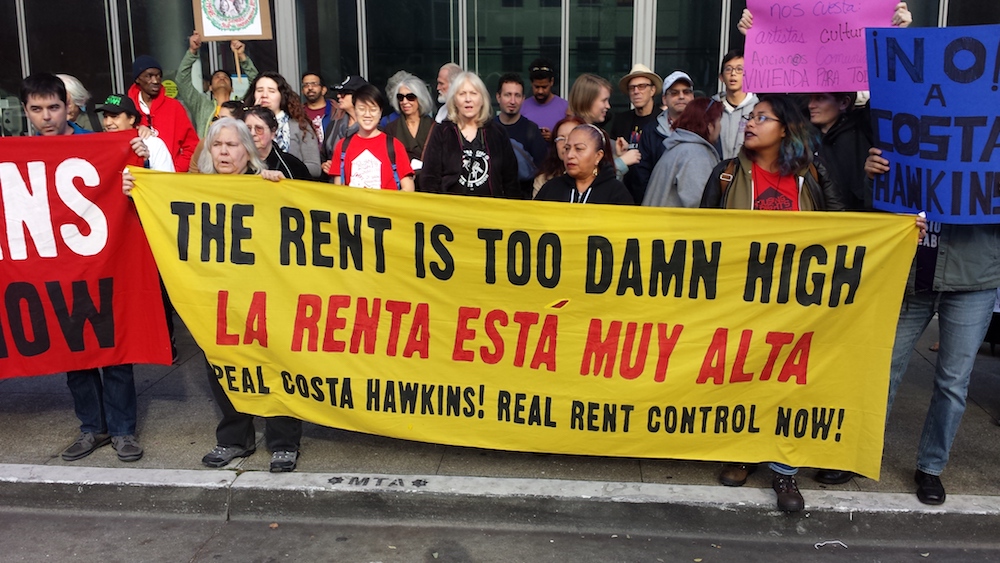
A new study from leading urban scholars reveals that zoning laws and construction slowdowns aren’t the true cause of America’s housing crisis. Even with massive building booms, rents would barely drop for decades. The real culprit? Soaring economic inequality. Until the widening wealth gap is addressed, policies like upzoning and deregulation won’t make housing affordable for working Americans—and may even push prices higher.

Cambio Raises $18M To Transform Commercial Real Estate Workflows With AI

Cambio, a fast‑growing AI proptech company, has secured an $18 million Series A at a $100 million valuation, aiming to overhaul how commercial real estate firms process documents and make investment decisions. By converting messy PDFs, spreadsheets, and audit files into investor‑ready insights in minutes, the platform is rapidly expanding—now active in 35 countries and managing data for over 2 billion square feet of assets.

Florida’s Insurance Market Enters 2026 With Rare Good News — Stability Returns for Homeowners and Real Estate Professionals

Florida’s insurance market is finally showing signs of real recovery heading into 2026. Industry leaders say recent legal reforms have sharply reduced lawsuits, allowing insurers to stabilize rates — and even introduce reductions for the first time in years. With new companies entering the state and solvency at its strongest level in more than a decade, real estate and mortgage professionals may benefit from improved buyer confidence and smoother closings as insurance becomes more predictable again.