Emerging Greenhouse Risks and Insurance Trends Shaping 2026
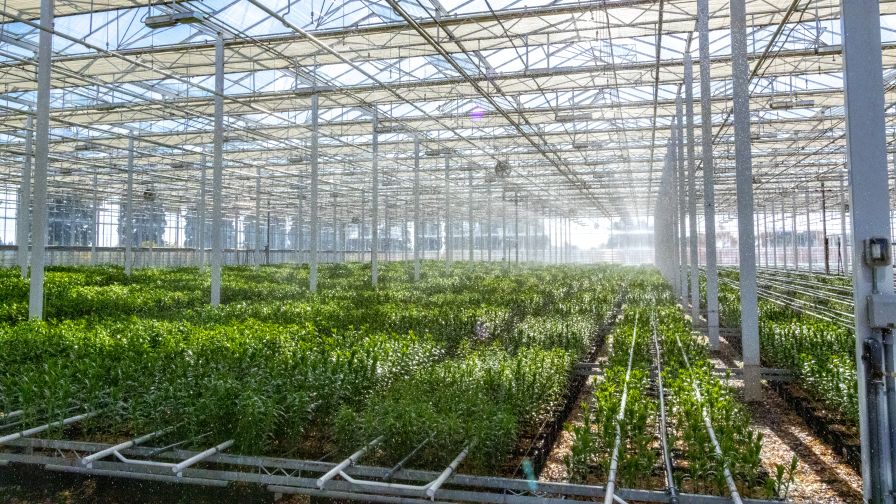
Modern commercial greenhouse irrigation system

The greenhouse industry is stepping into 2026 with more complex risks than we’ve seen in years. Rising insurance costs, increasingly erratic weather, cyber threats, supply chain instability, and labor challenges are converging all at once. For growers, the real impact comes not from any single threat, but from how these pressures overlap and amplify one another.

Our friends at Greenhouse Grower recently featured insights from Traci Dooley of Hortica, offering a forward-looking breakdown of the risk trends shaping 2026. Below, we expand on those findings — and how you can stay ahead.

Managing Accelerating Commercial Auto Costs

Commercial auto remains one of the fastest-growing insurance expenses for horticulture businesses. Modern high-tech vehicles cost more to repair, and multimillion-dollar verdicts continue to rise.

Key Exposures

  • Delivery trucks and shared-use vehicles
  • Employees using personal vehicles for work
  • Escalating litigation and liability awards

A strong risk plan includes: enhanced driver screening, recurring safety training, and disciplined vehicle maintenance. Annual policy reviews help keep expectations clear and actionable.

Technology That Strengthens Safety

Telematics and dash cams are no longer optional — they’re essential tools for protecting operators and clarifying claims.

For example, a Philadelphia retail florist avoided a costly claim thanks to dashcam footage proving their driver was not at fault. Another major horticulture company implemented in-cab cameras paired with a high-liability deductible — a bold move signaling their confidence in their safety culture.

Reassessing Greenhouse Property and Equipment Valuations

Inflation has dramatically altered the real cost of rebuilding or replacing greenhouse structures. Many operators unintentionally undervalue internal systems such as HVAC, irrigation, boilers, and environmental controls.

  • Structural frames, glazing, and roofing materials
  • Climate controls, plumbing, and electrical systems
  • Mobile equipment and shared-use machinery
  • Inventory including soil, media, tags, and fertilizers

Maintaining a current inventory and reviewing automatic increase provisions ensures insurance reflects today’s replacement costs — not outdated valuations.

Integrating Sustainability Into Business Protection

Sustainability is no longer a branding trend — it’s a core stability strategy. Efficient irrigation, recycling, reduced plastic use, and sustainable growing media improve long-term cost control and resilience.

Growers aiming to strengthen their sustainability strategy can leverage support tools like the resources available at Sustainabloom.

Tackling Rising Cyber Risks

Greenhouses are more connected than ever, from climate automation to handheld inventory devices. That connectivity creates new vulnerabilities — especially for smaller operations increasingly targeted by cybercriminals.

  • Enable multi-factor authentication
  • Perform regular backups, storing one off-site
  • Restrict access based on job role
  • Review cyber liability insurance carefully

Navigating Ongoing Supply Chain Instability

Disruptions continue affecting plastics, growing media, structural components, and replacement parts. Weather events and global tensions add layers of unpredictability.

  • Diversify suppliers
  • Partner with regional peers to share real-time insights
  • Build extra time into rebuilds and permitting

Managing Labor Risk and Seasonal Hiring Challenges

Labor remains a major constraint for growers. Compliance with hiring programs and contractor agreements is essential to preventing disputes, fines, and coverage complications.

  • Vet labor contractors thoroughly
  • Clarify transportation and housing responsibilities
  • Ensure contractors provide updated Certificates of Insurance

Preparing for Increasingly Extreme Weather

Weather volatility continues to accelerate, stressing greenhouse structures, drainage systems, and emergency power readiness. After major events, contractors and materials become scarce — extending recovery time.

  • Refresh safety training before peak seasons
  • Conduct structural and drainage inspections
  • Review business interruption coverage

Building a More Resilient 2026

The strongest greenhouse operators treat risk management as a year-round discipline. Early preparation, ongoing evaluation, and strong insurance partnerships create stability — even in volatile conditions.

Whether you’re managing a greenhouse, a real estate business, or another licensed profession, staying educated is your greatest advantage. At Cameron Academy, we empower professionals with industry-leading licensing and continuing education programs designed to keep you ahead of emerging risks and compliance shifts.

To explore the original insights from Traci Dooley of Hortica, visit the full article at Greenhouse Grower:
Emerging Greenhouse Risk and Insurance Trends for 2026.


More Articles

Getting licensed or staying ahead in your career can be a journey—but it doesn’t have to be overwhelming. Grab your favorite coffee or tea, take a moment to relax, and browse through our articles. Whether you’re just starting out or renewing your expertise, we’ve got tips, insights, and advice to keep you moving forward. Here’s to your success—one sip and one step at a time!

AI and Real Estate: A Game-Changer or Job-Taker?

In the rapidly evolving world of technology, one question often surfaces: Will AI replace real estate agents? Our comprehensive exploration into this topic reveals the intricate interplay between technology and the real estate industry, and how this relationship is shaping the future of property transactions. While some view the rise of AI with apprehension, others see it as a tool for enhancement. Take Cameron Academy, for instance. They've seamlessly integrated AI into their educational platform, offering an AI tutor to assist students. It's an intriguing paradox. On one hand, we have concerns about AI replacing jobs, and on the other, we witness how AI can enrich our learning experiences.

By |September 14, 2023|Categories: AI in Real Estate|Tags: |0 Comments

How to Afford a $200,000 House: Factors to Consider

Are you planning to buy a house? Understanding your financial capacity and determining whether you can afford the monthly payments is crucial. This guide explores the various factors that come into play when determining the affordability of a $200,000 house. We break down the key elements that contribute to overall affordability, from income to down payment and mortgage interest rates. By the end of this article, you will have a clear understanding of what it takes to make your dream of homeownership a reality. Discover the benefits of having a real estate license and mortgage license with Cameron Academy's comprehensive courses. Ready to take the next step? Explore our online career education courses and unlock your potential today. Sign up for our real estate license or mortgage license course now!

How Much Does It Cost to Become a Real Estate Agent in Florida?

Considering a career as a real estate agent in Florida? Let's break down the costs involved. The first step is completing the state-required pre-license courses, which can range from $100 to $500. Once you've completed your education, you'll need to submit an application to the Florida Department of Business and Professional Regulation (DBPR) with an $83.75 fee. The state exam fee is $36.75 per attempt. All applicants must undergo a fingerprinting check, which ranges from $50 to $80. Other costs include brokerage desk fees, REALTOR® dues, marketing materials, and living expenses during the initial months of building your client base. Despite the upfront costs, the potential rewards make it a worthwhile investment. Ready to start? Enroll in Cameron Academy's Florida pre-licensing course today!

By |September 13, 2023|Categories: Real Estate Licensing in Florida|Tags: |0 Comments

Real Estate Farming: A Comprehensive Guide

Welcome to our comprehensive guide on real estate farming. This marketing strategy targets a specific neighborhood or area, establishing you as a local expert. One of the most effective ways to engage with potential clients is through handwritten notes, creating a lasting impression and helping you stand out in a competitive market. Handwritten cards build trust, foster relationships, and increase your chances of converting leads into clients. By incorporating these personalized techniques, you can differentiate yourself from the competition and increase your chances of success. Ready to take your real estate farming to the next level? Visit Cameron Academy to learn more about our real estate farming course.

By |September 13, 2023|Categories: Real Estate Farming|Tags: |0 Comments

The Potential Impact of Airbnb’s Decline on the Housing Market

The current state of the U.S. housing market is characterized by high prices and a lack of inventory. However, recent developments in the short-term rental industry, particularly with Airbnb, have sparked discussions about the potential impact on the broader housing market. This article explores the connection between Airbnb's decline and the housing market, analyzing the implications and providing a balanced perspective on the situation. Short-term rentals, such as Airbnb, have played a significant role in the housing market, affecting housing prices and inventory. These platforms have provided homeowners with the opportunity to monetize their properties by renting them out for short periods. This has resulted in increased competition for available housing and, in some cases, contributed to rising home prices.

By |September 12, 2023|Categories: Housing Market|Tags: |0 Comments

Don’t Let It Intimidate You: Tips for Starting (or Strengthening) Your Real Estate Career

Starting a career in real estate can be an exciting and rewarding journey. Whether you are just entering the field or looking to strengthen your existing career, there are valuable tips and insights that can help you navigate the competitive landscape of the real estate industry. The real estate industry is a dynamic and ever-evolving field, with countless opportunities for those willing to put in the effort. With dedication and a strategic approach, you can carve out your own niche and thrive in this competitive market. Don't let the challenges and competition intimidate you. With the right mindset, dedication, and a commitment to continuous learning, you can thrive in the world of real estate. Embrace the journey, leverage your strengths, and build meaningful relationships with clients and industry experts. Start your real estate career or take it to the next level today.