Source inspiration from OCNJ Daily. Click to visit the original story: Read the article
The Rise of Flexible Workspaces
Flexible workspaces are rapidly reshaping how companies operate as hybrid and remote models become mainstream. Businesses are shifting to short term leases and multi use floorplans that allow them to scale quickly without long commitments. This trend has fueled a wave of coworking hubs, modular offices, and shared commercial environments designed to increase collaboration, agility, and innovation.
For professionals exploring careers in commercial real estate, understanding these workspace dynamics can be a powerful advantage. Cameron Academy continues to guide future agents, investors, and managers through how evolving workspace models influence markets, leasing strategies, and long term investment decisions.
Growth in Industrial and Logistics Properties
The explosive rise of e commerce has dramatically increased demand for industrial and logistics real estate. Warehouses, distribution hubs, and last mile fulfillment centers are among the strongest performing commercial asset classes. Long leases, stability, and alignment with online consumer behavior make these properties particularly attractive for investors.
These shifts are quickly becoming essential learning topics for anyone pursuing a real estate license, especially those planning to work in commercial or investment driven sectors.
Increased Focus on Sustainability
Sustainability has become a central priority for tenants, developers, and investors. Eco friendly materials, renewable energy integration, energy efficient building systems, and green certifications are transforming industry expectations. Many tenants now prefer spaces that align with their environmental values while reducing operating costs.
This ongoing transition is supported by experienced private equity groups such as DLP Capital, which emphasize responsible, long horizon investment strategies.
Technology Integration in Commercial Spaces
Smart technology is reshaping how commercial buildings function. Automated energy systems, advanced security tools, and remote monitoring provide better efficiency and comfort for tenants. With predictive maintenance and digital management, tech enabled buildings offer clear competitive benefits and long term value.
Changing Tenant Expectations
Modern tenants are looking for more than basic office square footage. Amenities like fitness centers, outdoor lounges, shared creative spaces, and better accessibility are driving occupancy decisions. Developers who understand these evolving expectations are better equipped to build strong, lasting tenant relationships.
Thinking about stepping into commercial real estate or leveling up your skills? Cameron Academy offers flexible, success driven licensing programs and continuing education to help professionals stay ahead of fast changing market trends.
Conclusion
From flexible workspaces to green buildings and smart technology, commercial real estate is evolving at record speed. Professionals who embrace these trends will be well positioned for long term success as market expectations continue to shift and expand.
More Articles
Getting licensed or staying ahead in your career can be a journey—but it doesn’t have to be overwhelming. Grab your favorite coffee or tea, take a moment to relax, and browse through our articles. Whether you’re just starting out or renewing your expertise, we’ve got tips, insights, and advice to keep you moving forward. Here’s to your success—one sip and one step at a time!
The global digital health market is set to skyrocket, with projections estimating it will reach $551.09 billion by 2027. This growth is fueled by innovations that are setting new benchmarks in healthcare delivery.
AI is being hailed as a "triple threat" in radiology, impacting planning, scanning, and diagnosis. As detailed in a recent column by Kelly Londy of GE HealthCare, these intelligent imaging systems are ushering in seismic changes reminiscent of the transformative impact of computer-assisted tomography in the late 20th century.
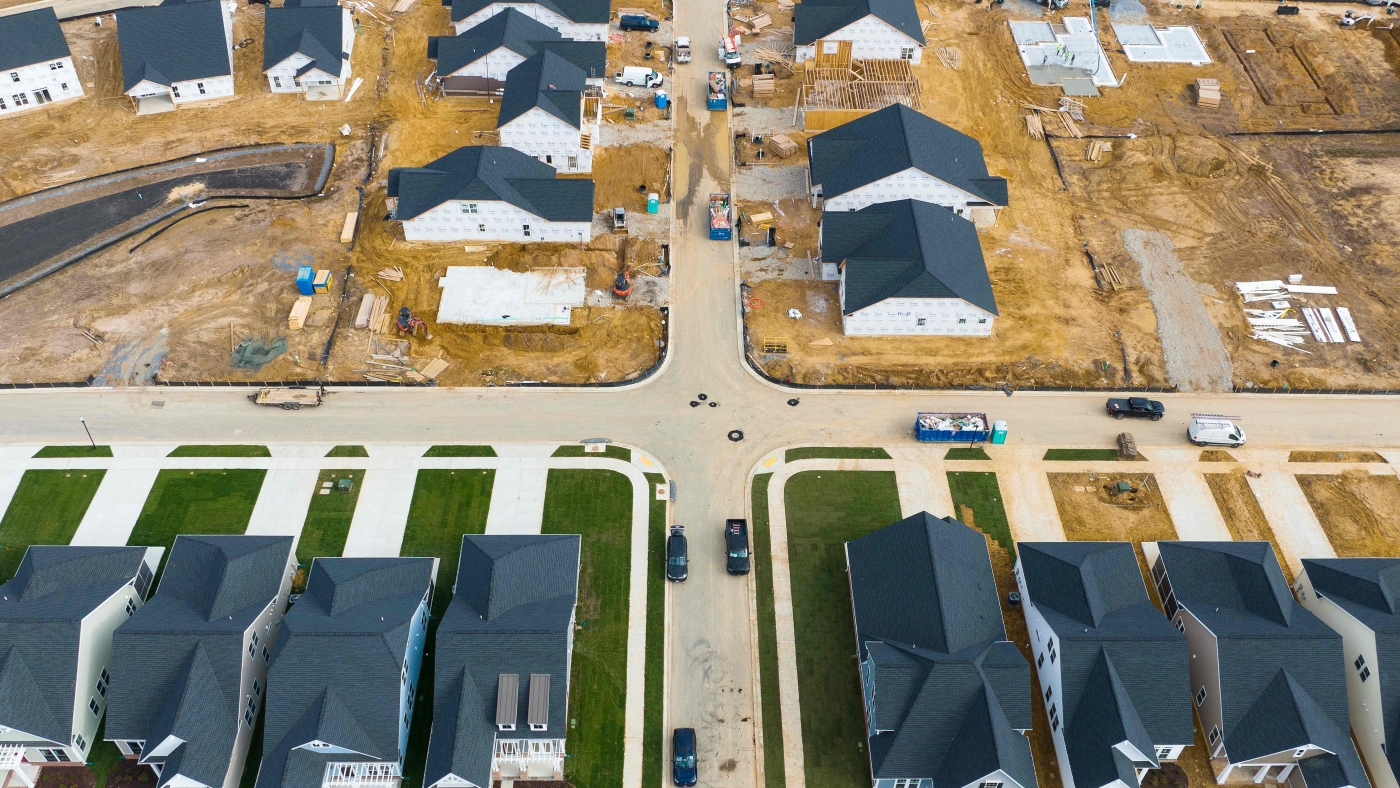
In a significant move that has captured the attention of economists and homebuyers alike, the Federal Reserve recently announced a half-percentage-point cut in interest rates. This decision is poised to bring about notable changes in the housing market, though not all effects may be beneficial for prospective homeowners.
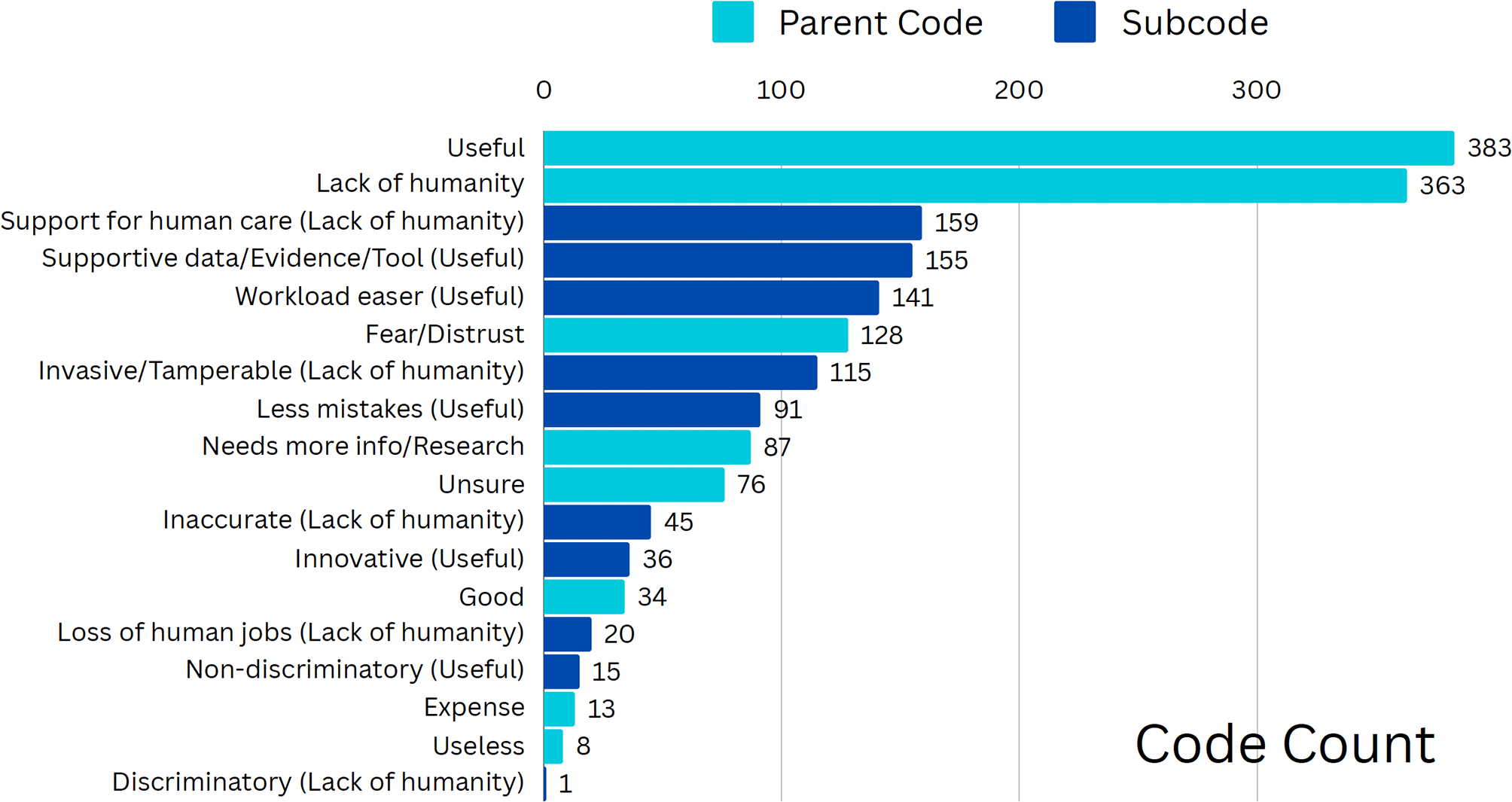
In the rapidly evolving landscape of healthcare, the integration of artificial intelligence (AI) stands as a beacon of both promise and concern. The research underscores a significant tension: while AI has the capability to enhance healthcare delivery, there is palpable unease about its impact on the traditional physician-patient relationship.
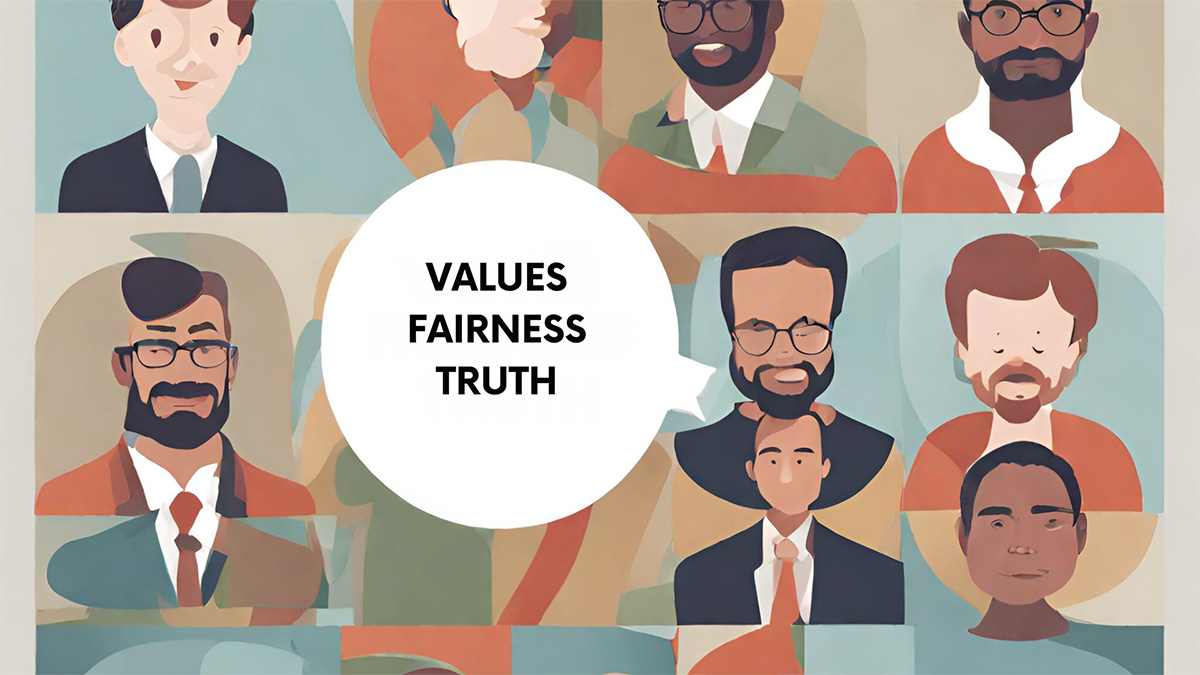
As artificial intelligence (AI) technology advances, it presents a myriad of ethical dilemmas and challenges that demand urgent attention. The USC Annenberg School for Communication and Journalism recently explored these pressing issues, highlighting the complexities involved in AI's deployment.