Source inspiration from OCNJ Daily. Click to visit the original story: Read the article
The Rise of Flexible Workspaces
Flexible workspaces are rapidly reshaping how companies operate as hybrid and remote models become mainstream. Businesses are shifting to short term leases and multi use floorplans that allow them to scale quickly without long commitments. This trend has fueled a wave of coworking hubs, modular offices, and shared commercial environments designed to increase collaboration, agility, and innovation.
For professionals exploring careers in commercial real estate, understanding these workspace dynamics can be a powerful advantage. Cameron Academy continues to guide future agents, investors, and managers through how evolving workspace models influence markets, leasing strategies, and long term investment decisions.
Growth in Industrial and Logistics Properties
The explosive rise of e commerce has dramatically increased demand for industrial and logistics real estate. Warehouses, distribution hubs, and last mile fulfillment centers are among the strongest performing commercial asset classes. Long leases, stability, and alignment with online consumer behavior make these properties particularly attractive for investors.
These shifts are quickly becoming essential learning topics for anyone pursuing a real estate license, especially those planning to work in commercial or investment driven sectors.
Increased Focus on Sustainability
Sustainability has become a central priority for tenants, developers, and investors. Eco friendly materials, renewable energy integration, energy efficient building systems, and green certifications are transforming industry expectations. Many tenants now prefer spaces that align with their environmental values while reducing operating costs.
This ongoing transition is supported by experienced private equity groups such as DLP Capital, which emphasize responsible, long horizon investment strategies.
Technology Integration in Commercial Spaces
Smart technology is reshaping how commercial buildings function. Automated energy systems, advanced security tools, and remote monitoring provide better efficiency and comfort for tenants. With predictive maintenance and digital management, tech enabled buildings offer clear competitive benefits and long term value.
Changing Tenant Expectations
Modern tenants are looking for more than basic office square footage. Amenities like fitness centers, outdoor lounges, shared creative spaces, and better accessibility are driving occupancy decisions. Developers who understand these evolving expectations are better equipped to build strong, lasting tenant relationships.
Thinking about stepping into commercial real estate or leveling up your skills? Cameron Academy offers flexible, success driven licensing programs and continuing education to help professionals stay ahead of fast changing market trends.
Conclusion
From flexible workspaces to green buildings and smart technology, commercial real estate is evolving at record speed. Professionals who embrace these trends will be well positioned for long term success as market expectations continue to shift and expand.
More Articles
Getting licensed or staying ahead in your career can be a journey—but it doesn’t have to be overwhelming. Grab your favorite coffee or tea, take a moment to relax, and browse through our articles. Whether you’re just starting out or renewing your expertise, we’ve got tips, insights, and advice to keep you moving forward. Here’s to your success—one sip and one step at a time!
Despite billions poured into proptech and a decade of flashy digital upgrades, the real estate experience remains largely unchanged. Apps made processes smoother, but not more transparent — because the industry’s core structures, data control and power dynamics stayed the same. True disruption will come from platforms that shift information and control to consumers, not just digitize outdated systems.
Early 2026 is delivering a clear message: commercial real estate is entering a recalibration phase. Construction is softening, pending home sales just saw a sharp drop, consumer sentiment is inching upward but remains fragile, and capital markets are tightening as major CRE sectors face rising distress. From data centers powering ahead to CMBS foreclosures climbing and office-to-residential conversions gaining momentum, professionals across real estate, mortgage, insurance, and finance need to stay sharp as the industry shifts.
Discover the real estate roles earning the biggest paychecks in 2026. From investment consultants to commercial leasing managers, this breakdown highlights the salaries, responsibilities, and career paths offering the strongest financial potential in today’s evolving market—perfect for newcomers and seasoned professionals mapping their next big move.
Montana is taking major steps to remove outdated licensing barriers and strengthen its workforce. Governor Greg Gianforte has created a new Licensing Reform Task Force aimed at modernizing regulations, speeding up approvals, and helping more professionals enter high‑demand fields like construction and healthcare. With licensing numbers doubling over the past decade and rural communities facing critical shortages, the state is pushing for faster, more efficient pathways to work. The task force begins meeting in February and will deliver its full reform report by September 2026 — a move that could influence licensing modernization efforts nationwide.
Artificial intelligence has officially moved from novelty to necessity in the real estate world. According to new industry data, 97% of brokerage leaders say their agents now rely on AI tools for everything from listing descriptions to full-scale marketing campaigns. As adoption skyrockets, so do concerns over training, accuracy, and compliance — especially among smaller firms. The message is clear: for today’s real estate professionals, AI literacy isn’t optional anymore.
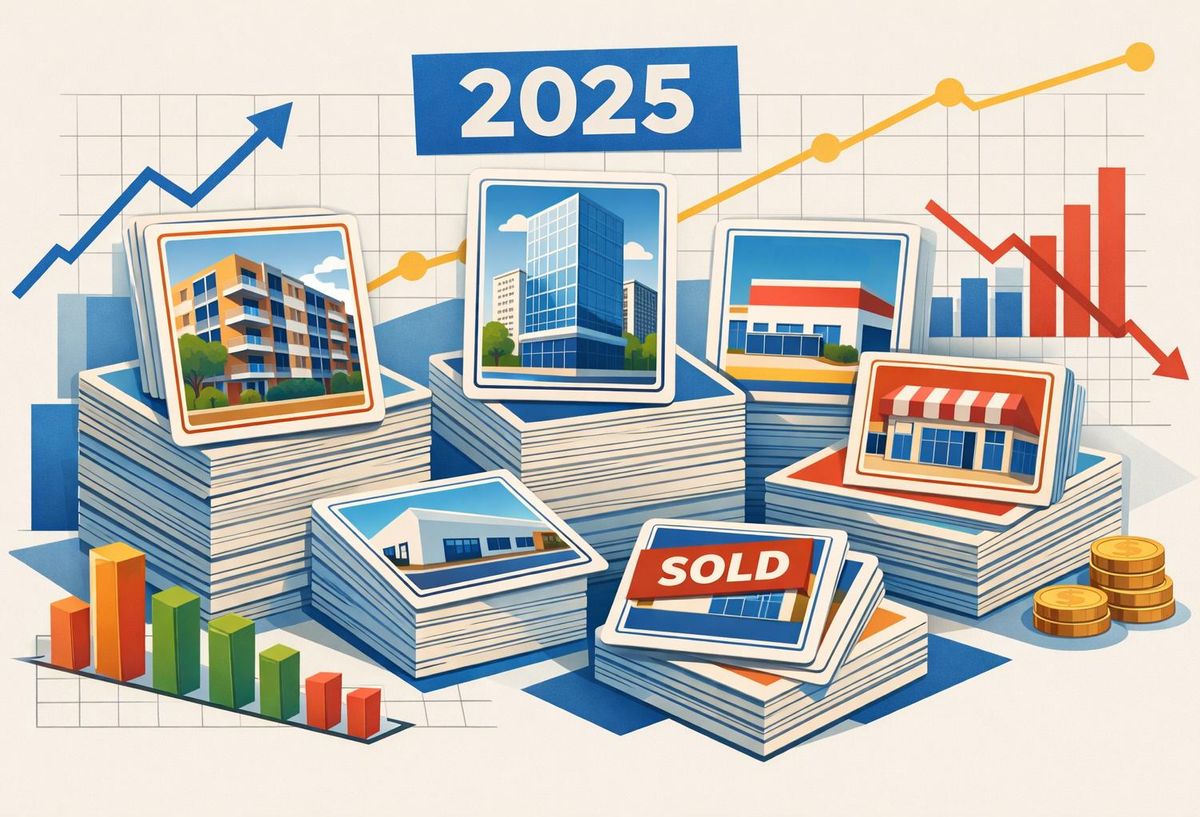
Commercial real estate roared back to life in 2025, with more than $255B pouring into multifamily, industrial, office and retail assets. Major investors moved fast on falling interest rates, improving bond yields and rising confidence across sectors. Multifamily dominated with over $115B in deals, industrial surged under private equity leadership, office saw renewed activity from owner-users and retail proved surprisingly resilient. For today’s real estate and finance professionals, the message is clear: opportunity favors those who stay informed and ready to act.