Source inspiration from OCNJ Daily. Click to visit the original story: Read the article
The Rise of Flexible Workspaces
Flexible workspaces are rapidly reshaping how companies operate as hybrid and remote models become mainstream. Businesses are shifting to short term leases and multi use floorplans that allow them to scale quickly without long commitments. This trend has fueled a wave of coworking hubs, modular offices, and shared commercial environments designed to increase collaboration, agility, and innovation.
For professionals exploring careers in commercial real estate, understanding these workspace dynamics can be a powerful advantage. Cameron Academy continues to guide future agents, investors, and managers through how evolving workspace models influence markets, leasing strategies, and long term investment decisions.
Growth in Industrial and Logistics Properties
The explosive rise of e commerce has dramatically increased demand for industrial and logistics real estate. Warehouses, distribution hubs, and last mile fulfillment centers are among the strongest performing commercial asset classes. Long leases, stability, and alignment with online consumer behavior make these properties particularly attractive for investors.
These shifts are quickly becoming essential learning topics for anyone pursuing a real estate license, especially those planning to work in commercial or investment driven sectors.
Increased Focus on Sustainability
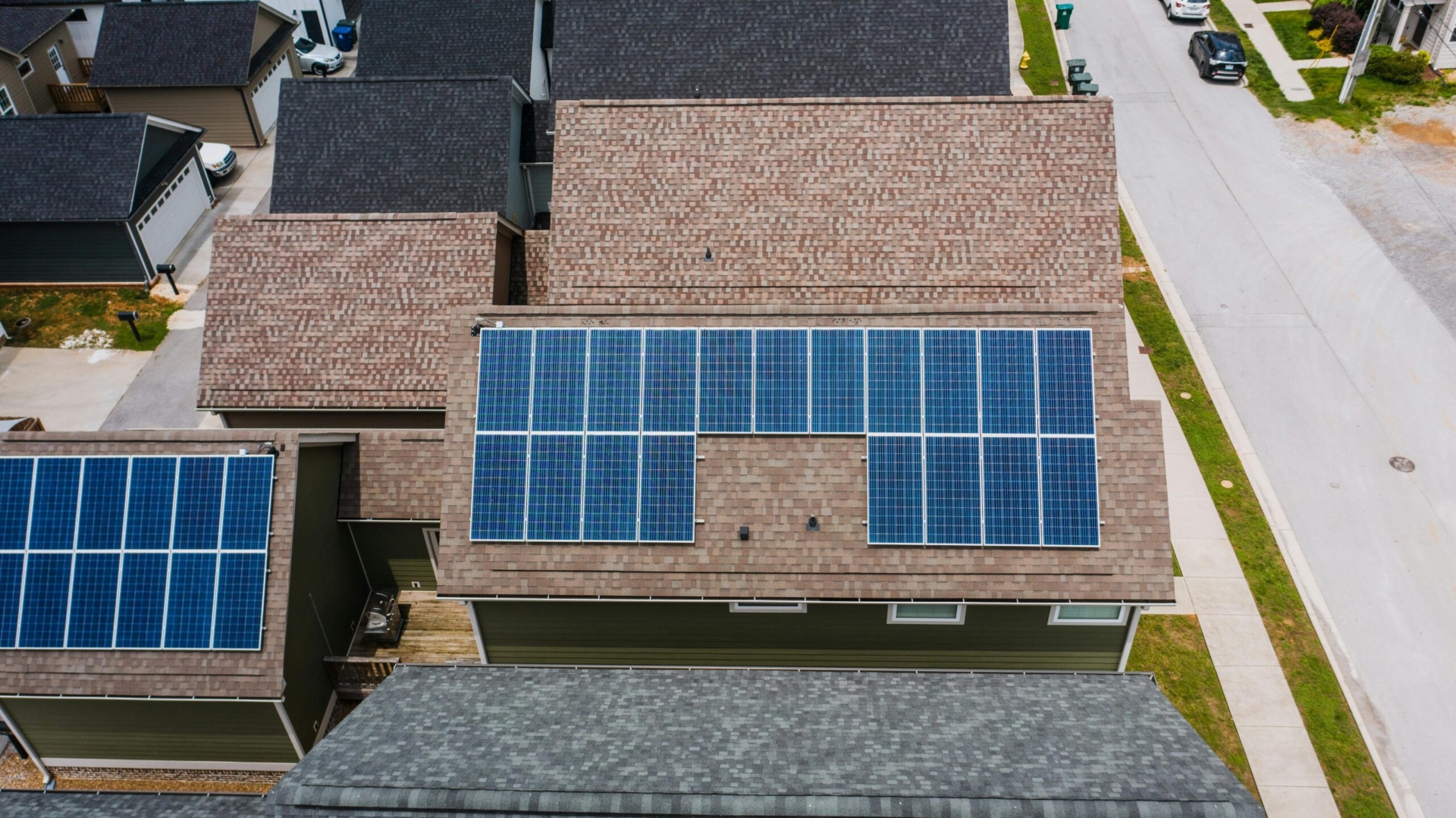
Sustainability has become a central priority for tenants, developers, and investors. Eco friendly materials, renewable energy integration, energy efficient building systems, and green certifications are transforming industry expectations. Many tenants now prefer spaces that align with their environmental values while reducing operating costs.
This ongoing transition is supported by experienced private equity groups such as DLP Capital, which emphasize responsible, long horizon investment strategies.
Technology Integration in Commercial Spaces
Smart technology is reshaping how commercial buildings function. Automated energy systems, advanced security tools, and remote monitoring provide better efficiency and comfort for tenants. With predictive maintenance and digital management, tech enabled buildings offer clear competitive benefits and long term value.
Changing Tenant Expectations
Modern tenants are looking for more than basic office square footage. Amenities like fitness centers, outdoor lounges, shared creative spaces, and better accessibility are driving occupancy decisions. Developers who understand these evolving expectations are better equipped to build strong, lasting tenant relationships.
Thinking about stepping into commercial real estate or leveling up your skills? Cameron Academy offers flexible, success driven licensing programs and continuing education to help professionals stay ahead of fast changing market trends.
Conclusion
From flexible workspaces to green buildings and smart technology, commercial real estate is evolving at record speed. Professionals who embrace these trends will be well positioned for long term success as market expectations continue to shift and expand.
More Articles
Getting licensed or staying ahead in your career can be a journey—but it doesn’t have to be overwhelming. Grab your favorite coffee or tea, take a moment to relax, and browse through our articles. Whether you’re just starting out or renewing your expertise, we’ve got tips, insights, and advice to keep you moving forward. Here’s to your success—one sip and one step at a time!
In a landscape where student loan debt is a growing concern, borrowers are exploring creative methods to manage their financial obligations. According to EducationData.org's 2023 report, the average federal student loan borrower owes $37,574, while private borrowers face an even steeper average of $54,921. With these daunting figures, many are considering unconventional methods to ease their financial burden.
As inflation trends downward, the construction industry faces a paradox: the relentless rise in residential construction material costs since early 2024. This surge, marking its peak in June 2024, presents a formidable challenge for home builders already navigating inflated expenses.
Pittsburgh, Pennsylvania, emerges as the front-runner, showcasing a harmonious blend of low median home prices and affordable homeowner costs. With a median home price of $236,067, Pittsburgh homeowners spend just 14.8% of their median household income on housing costs, making it an attractive destination for budget-conscious buyers.
Traditional construction methods have posed significant environmental challenges. Increasingly, technology plays a crucial role in transforming the industry, fostering eco-friendly construction methods.
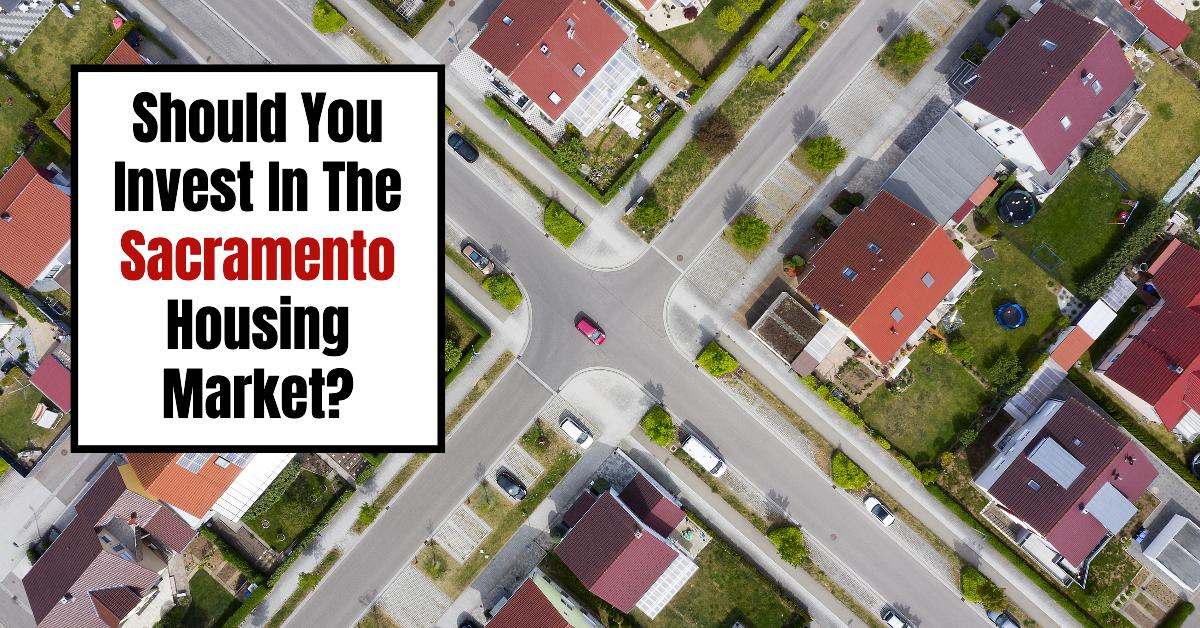
Sacramento, the capital of California, has seen notable shifts in its real estate market over the years. The city's significant population growth has led to increased housing demand. As job opportunities expand, particularly in the tech and healthcare sectors, the potential for property value appreciation becomes enticing for investors.