Source inspiration from OCNJ Daily. Click to visit the original story: Read the article
The Rise of Flexible Workspaces
Flexible workspaces are rapidly reshaping how companies operate as hybrid and remote models become mainstream. Businesses are shifting to short term leases and multi use floorplans that allow them to scale quickly without long commitments. This trend has fueled a wave of coworking hubs, modular offices, and shared commercial environments designed to increase collaboration, agility, and innovation.
For professionals exploring careers in commercial real estate, understanding these workspace dynamics can be a powerful advantage. Cameron Academy continues to guide future agents, investors, and managers through how evolving workspace models influence markets, leasing strategies, and long term investment decisions.
Growth in Industrial and Logistics Properties
The explosive rise of e commerce has dramatically increased demand for industrial and logistics real estate. Warehouses, distribution hubs, and last mile fulfillment centers are among the strongest performing commercial asset classes. Long leases, stability, and alignment with online consumer behavior make these properties particularly attractive for investors.
These shifts are quickly becoming essential learning topics for anyone pursuing a real estate license, especially those planning to work in commercial or investment driven sectors.
Increased Focus on Sustainability
Sustainability has become a central priority for tenants, developers, and investors. Eco friendly materials, renewable energy integration, energy efficient building systems, and green certifications are transforming industry expectations. Many tenants now prefer spaces that align with their environmental values while reducing operating costs.
This ongoing transition is supported by experienced private equity groups such as DLP Capital, which emphasize responsible, long horizon investment strategies.
Technology Integration in Commercial Spaces
Smart technology is reshaping how commercial buildings function. Automated energy systems, advanced security tools, and remote monitoring provide better efficiency and comfort for tenants. With predictive maintenance and digital management, tech enabled buildings offer clear competitive benefits and long term value.
Changing Tenant Expectations
Modern tenants are looking for more than basic office square footage. Amenities like fitness centers, outdoor lounges, shared creative spaces, and better accessibility are driving occupancy decisions. Developers who understand these evolving expectations are better equipped to build strong, lasting tenant relationships.
Thinking about stepping into commercial real estate or leveling up your skills? Cameron Academy offers flexible, success driven licensing programs and continuing education to help professionals stay ahead of fast changing market trends.
Conclusion
From flexible workspaces to green buildings and smart technology, commercial real estate is evolving at record speed. Professionals who embrace these trends will be well positioned for long term success as market expectations continue to shift and expand.
More Articles
Getting licensed or staying ahead in your career can be a journey—but it doesn’t have to be overwhelming. Grab your favorite coffee or tea, take a moment to relax, and browse through our articles. Whether you’re just starting out or renewing your expertise, we’ve got tips, insights, and advice to keep you moving forward. Here’s to your success—one sip and one step at a time!
Artificial intelligence has shifted from futuristic idea to everyday assistant for real estate professionals. Instead of replacing agents, AI now enhances their workflows—automating repetitive tasks, improving communication, strengthening branding, and turning complex market data into clear insights. From smarter CRMs to AI-powered marketing tools, today’s agents can focus more on relationships and client service while technology handles the busywork behind the scenes.
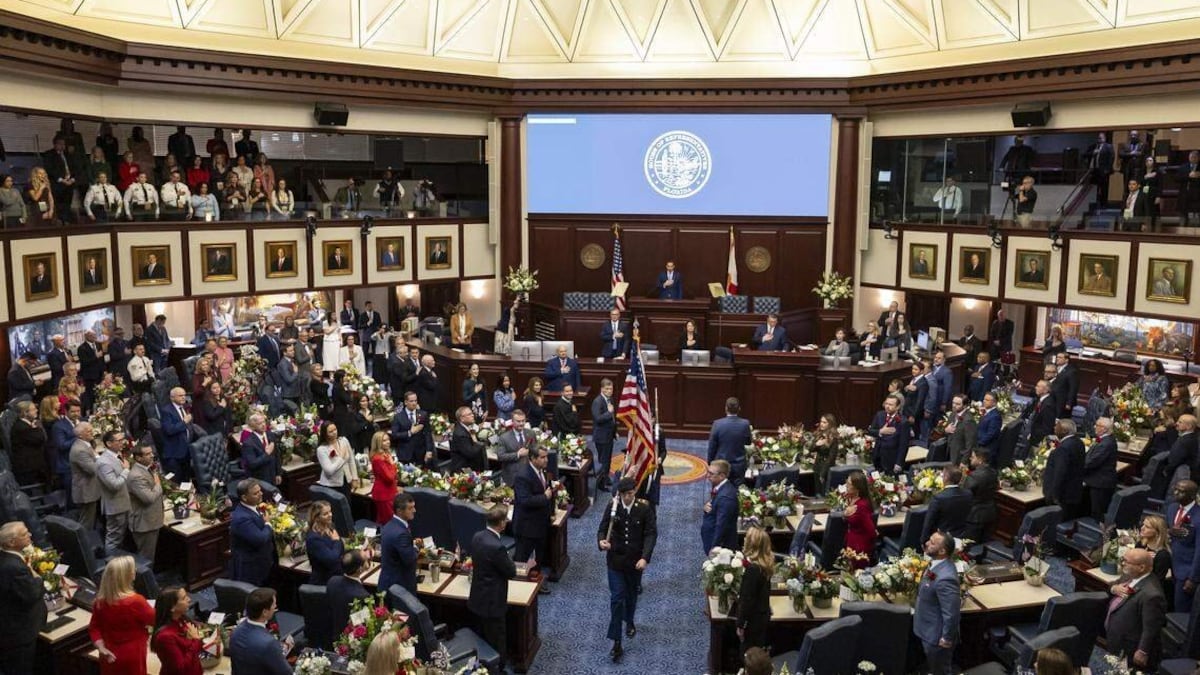
A Florida House committee is advancing a bill that would crack down on insurers shifting profits to affiliated companies — a practice highlighted by recent investigative reporting. With premiums soaring and options shrinking, the proposed oversight could reshape the state’s insurance landscape and create ripple effects across the real estate market, impacting buyers, agents, and investors statewide.
Proptech podcast *Tangent* marks its 100th episode with an inside look at Airbnb’s evolving role in multifamily housing. Featuring Airbnb Real Estate Marketing Leader Eliza Lochner, the episode explores the rapid growth of Airbnb‑friendly apartments, the rise of flexible‑living models, and why renters and property owners are increasingly embracing hosting as a way to balance affordability, transparency, and control. For today’s real estate professionals—especially in fast‑changing markets like Florida—the conversation highlights major shifts in tenant expectations, property management strategies, and the intersection of technology, hospitality, and residential development.
A Tampa Heights homeowner has joined the growing wave of Floridians dropping property insurance altogether after his 2026 renewal skyrocketed to $14,523. With up to 20% of residents now going bare, experts warn that soaring rates, shrinking coverage options, and post‑storm losses are pushing many to take risky measures — even as alternatives like liability‑only plans, dropped wind coverage, or home‑hardening upgrades may offer relief.
A major ERAS overhaul is coming in 2027, replacing the familiar “publications” field with a more rigorous category called “scholarly works.” Only peer‑reviewed submissions—such as manuscripts, abstracts, book chapters, and presentations—will qualify, shifting greater emphasis toward high‑quality research. While the change aims to give residency directors clearer insight into applicants’ academic contributions, many students worry that advocacy and policy work may lose visibility. As programs lean more heavily on research output in a post–Step 1 pass/fail era, future applicants will need to showcase not just what they’ve produced, but the depth and meaning behind it.
Mortgage rates have ticked back up to 6.25% after a brief dip, signaling a return to stability in the housing market. With rising inventory, moderating prices, and forecasts calling for steady rates through 2026, real estate and finance professionals can expect a more predictable environment ahead. This shift opens the door to smoother transactions, improved buyer confidence, and stronger opportunities for career growth across mortgage, real estate, insurance, and related fields.