Empowering the Gig Economy: AXA’s Tailored Protection
The gig economy, a burgeoning landscape of non-standard employment forms like gig work, flexi-work, and freelance work, is reshaping the labor market, particularly for Gen-Z. This generation, driven by a thirst for flexibility and autonomy, is at the forefront of this transformation. However, as the South China Morning Post highlights, this shift is not without its challenges.
In Hong Kong, a notable segment of the workforce identifies as self-employed, yet they often find themselves outside the protective embrace of traditional social safety nets. Government data reveals that out of a working population of 3.69 million, 0.29 million are self-employed, a figure that excludes unpaid family workers. This gap leaves many vulnerable to financial risks associated with illness, accidents, and retirement insecurity.
Angela Wong, Chief Marketing and Customer Officer at AXA Hong Kong & Macau, underscores the critical need for comprehensive insurance solutions for gig workers. “Being self-employed shouldn’t be a risk,” she asserts. The lack of health and accident insurance can lead to substantial medical bills, jeopardizing financial stability and forcing gig workers to continue working despite health challenges.
According to a World Bank report, individuals in non-standard employment often remain outside the scope of social insurance schemes. This underscores the importance of formulating policies that extend coverage to these vulnerable segments of the workforce. AXA is stepping up to fill this gap by offering tailored insurance solutions. By doing so, they aim to provide gig workers with the financial security and peace of mind they need to thrive in this new economy, ensuring that freedom of work comes with a safety net.
More Articles
Getting licensed or staying ahead in your career can be a journey—but it doesn’t have to be overwhelming. Grab your favorite coffee or tea, take a moment to relax, and browse through our articles. Whether you’re just starting out or renewing your expertise, we’ve got tips, insights, and advice to keep you moving forward. Here’s to your success—one sip and one step at a time!
The detailed study, conducted in February 2025, scrutinized nine popular institutions based on 38 criteria across four pivotal categories: fees, customer satisfaction, features, and availability.
The digital landscape is rapidly evolving, capturing public interest as virtual and physical environments blend seamlessly. In this new age, Virtual Reality (VR), the Metaverse, and Blockchain emerge as transformative forces reshaping how we interact with digital content, form business models, and enhance personal experiences.
In the heart of New Zealand's real estate landscape, a quiet revolution is taking place. The age-old practice of property valuation, once a labor-intensive and opaque process, is being transformed by the rise of artificial intelligence (AI). Yet, this transformation is not without its challenges.
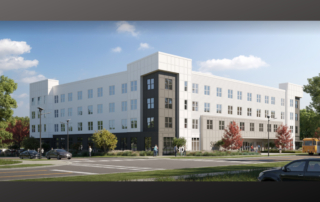
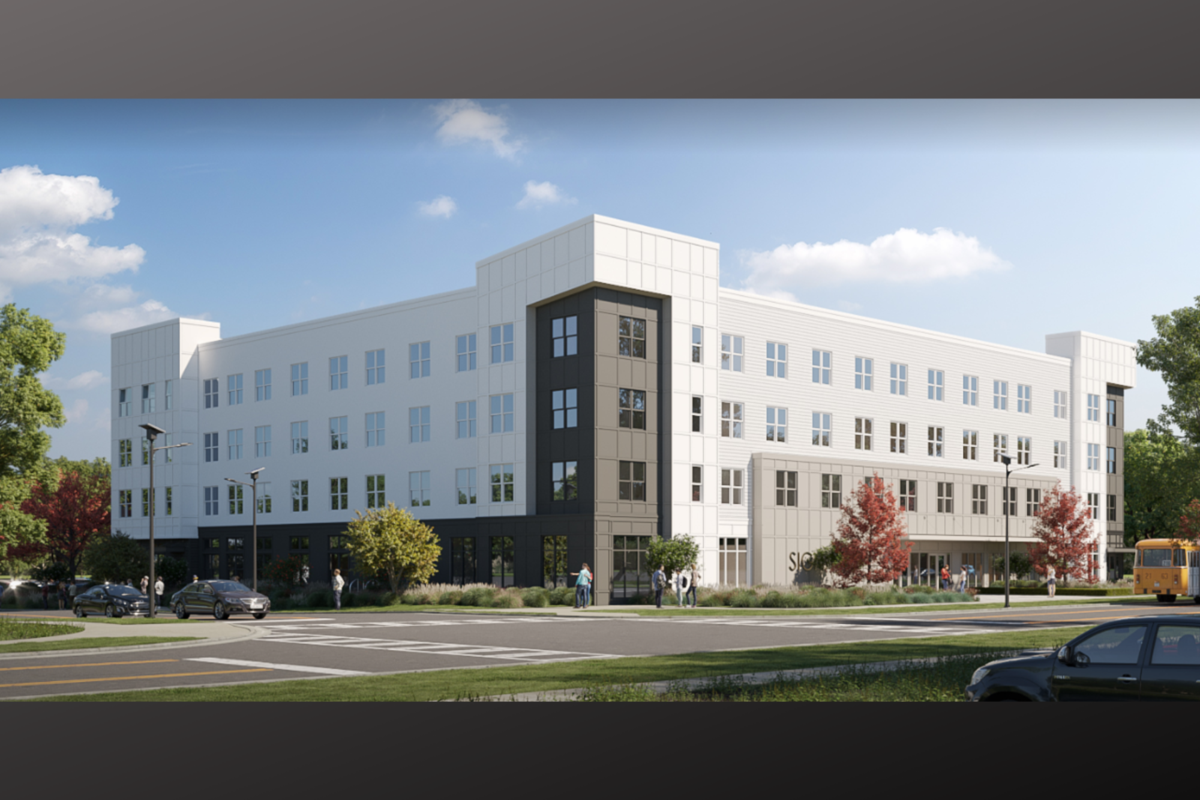
We believe in empowering initiatives that bring people together and create lasting value." The redevelopment of the BCM property is poised to become a vital hub for student life at Georgia Southern University, enhancing the campus's appeal and functionality.
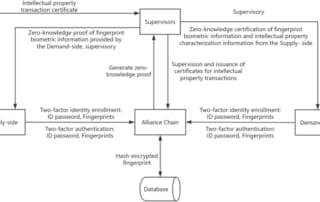
The research introduces a two-factor authentication model that leverages the power of alliance chain technology, aiming to enhance security and trustworthiness in IP transactions.