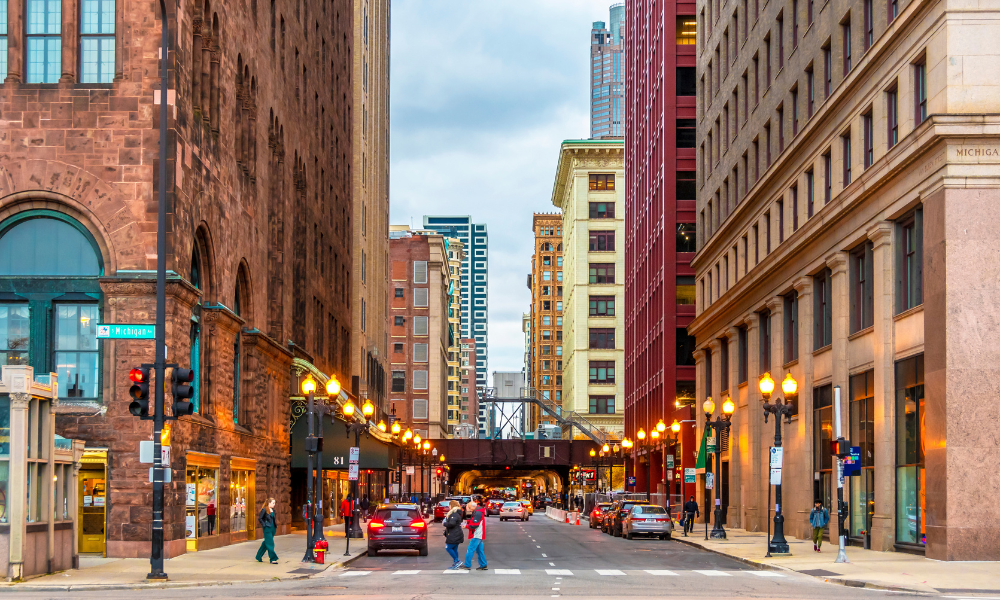
Empty Office Buildings: A New Urban Challenge


As the dust settles from the global pandemic, a new challenge emerges across America’s urban landscapes—empty office buildings. Despite calls from some large corporations to return to traditional office settings, remote work has firmly taken root, leaving vast office spaces vacant and real estate executives grappling with the fallout.


These vacant spaces are more than just a real estate issue; they represent a potential economic ripple effect. Many office buildings are financed through short-term loans from banks, and if real estate firms cannot generate rent from commercial tenants, the risk of loan defaults increases, posing a threat to the banking sector.


In a telling example, real estate company RXR defaulted on a $240 million bank loan for its office tower at 61 Broadway in New York City. With half of the building unoccupied, RXR’s CEO Scott Rechler noted the need to “face reality” in this post-COVID world of higher interest rates and changing work dynamics.


The Changing Landscape of Office Buildings


Office occupancy rates have plummeted to an all-time low, with over 95 million square feet of office space in New York City alone sitting empty—equivalent to 30 Empire State Buildings. This trend has forced landlords to confront the obsolescence of some properties, with office building values dropping by as much as 40% since the pandemic.


Real estate expert Stijn Van Nieuwerburgh from Columbia Business School describes the situation as a “train wreck in slow motion,” emphasizing that many tenants have yet to make decisions about their office space needs. The uncertainty continues to weigh heavily on the industry.


Refinancing Woes and the Banking Sector


Work-from-home trends have also impacted companies like SL Green Realty, New York’s largest office landlord. The assumption that commercial real estate loans could be easily refinanced is no longer valid. With interest rates at historic highs, $1.5 trillion in commercial real estate loans are set to expire within the next two years.


Van Nieuwerburgh highlights that smaller and medium-sized banks, heavily reliant on commercial real estate loans, face significant exposure. Office loan delinquency rates have quadrupled over the past year, yet banks remain hesitant to acknowledge these losses.


The “Urban Doom Loop”


This downturn in real estate, exacerbated by bad loans, threatens to affect banks and the broader economy, reminiscent of the 2008 financial crisis. As property values and tax revenues decline, local governments face budget shortfalls, impacting public services and prompting residents to leave cities.


According to Van Nieuwerburgh, the 10 largest U.S. cities have lost around 2 million residents in the past three years, shrinking their tax base and perpetuating what he terms an “urban doom loop.”


Innovative Solutions on the Horizon


Efforts to breathe new life into these empty office spaces are underway. Developers like Tony Park and Elad Dror of PD Properties are converting buildings into apartments, though zoning constraints limit such transformations. Their recent acquisition near New York City’s Penn Station for less than half the original offer exemplifies the potential for adaptive reuse.


Van Nieuwerburgh advocates for ambitious reimagining of office spaces, combining public and private resources to unlock new possibilities. As society embraces the idea that we no longer need to live where we work, the potential for transformation is vast.


For more details, read the original article on CBS News.


More Articles

Getting licensed or staying ahead in your career can be a journey—but it doesn’t have to be overwhelming. Grab your favorite coffee or tea, take a moment to relax, and browse through our articles. Whether you’re just starting out or renewing your expertise, we’ve got tips, insights, and advice to keep you moving forward. Here’s to your success—one sip and one step at a time!

Tampa Bay Real Estate Surges Into 2026 With Stability, Growth, and a Lifestyle-Driven Boom

Tampa Bay’s real estate market is entering a rare sweet spot in 2026—balancing rising inventory, steady demand, and booming commercial development. With housing supply up to 4.3 months and prices stabilizing, the region is shifting from frenzy to sustainable growth. Population migration, modernized commercial spaces, and lifestyle-focused districts like Water Street and Midtown continue to fuel Tampa’s evolution. But even amid luxury expansion, affordability remains the top challenge shaping the next phase of opportunity for real estate professionals.

AZ Big 100 Reveals the Leaders Defining Arizona’s Commercial Real Estate in 2026

Each year, AZ Big Media spotlights the visionaries shaping Arizona’s fast‑growing commercial real estate landscape. The 2026 AZ Big 100 list highlights 50 influential builders, developers, architects, and innovators who are driving sustainable growth, expanding infrastructure, and redefining community-focused design. For professionals in real estate, construction, finance, and related fields, this roundup offers a powerful look at the leadership and trends guiding Arizona’s next era of development.

State Farm Proposes First Rate Drop in Years — A Possible Turning Point for Florida Insurance

After years of relentless premium increases, State Farm has filed for a 10% homeowners insurance rate reduction in Florida, signaling that recent legislative reforms may finally be stabilizing the state’s turbulent insurance market. This move could pressure other insurers to follow and marks one of the first meaningful signs of relief for Florida homeowners and real estate professionals.

Illinois Tightens Supplier Diversity Reporting Rules for Insurance Industry in 2026

Illinois has updated its insurance supplier diversity reporting requirements, impacting insurers, HMOs, dental plan corporations, and accredited reinsurers with at least $50 million in admitted assets. Beginning April 1, 2026, companies must use the state’s new PDF template and file through SERFF, following strict formatting rules for procurement, certification types, and diversity goals. The update signals a stronger statewide push for transparency and equitable contracting, making accurate compliance essential for insurance and finance professionals.

MrBeast Enters Fintech with Major Acquisition Aimed at Transforming Youth Money Skills

YouTube superstar MrBeast has officially moved into the world of finance with his acquisition of Step, a fast‑growing youth money management app backed by Stripe and major venture investors. Now operating under Beast Industries, Step is poised to bring modern financial tools—like credit building, investing, and budgeting—to millions of teens and young adults. With MrBeast’s massive reach and Step’s existing user base of over 7 million, this move could reshape how the next generation learns essential financial skills, giving future professionals a stronger foundation whether they pursue real estate, mortgage, insurance, finance, or any career where smart money decisions matter.

Long Island Breaks Commercial Real Estate Record with $4.1B in 2025 Deals

Long Island’s commercial market just hit an all‑time high, closing $4.1 billion in commercial real estate sales across Nassau and Suffolk counties in 2025—a 71 percent jump from the prior year. Specialty-use properties like assisted living and self‑storage led the surge, fueled by lower interest rates and renewed investor confidence.