Empty Office Buildings: A New Urban Challenge


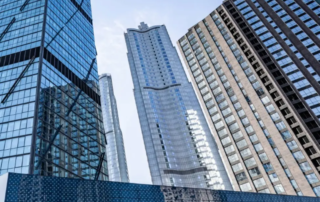
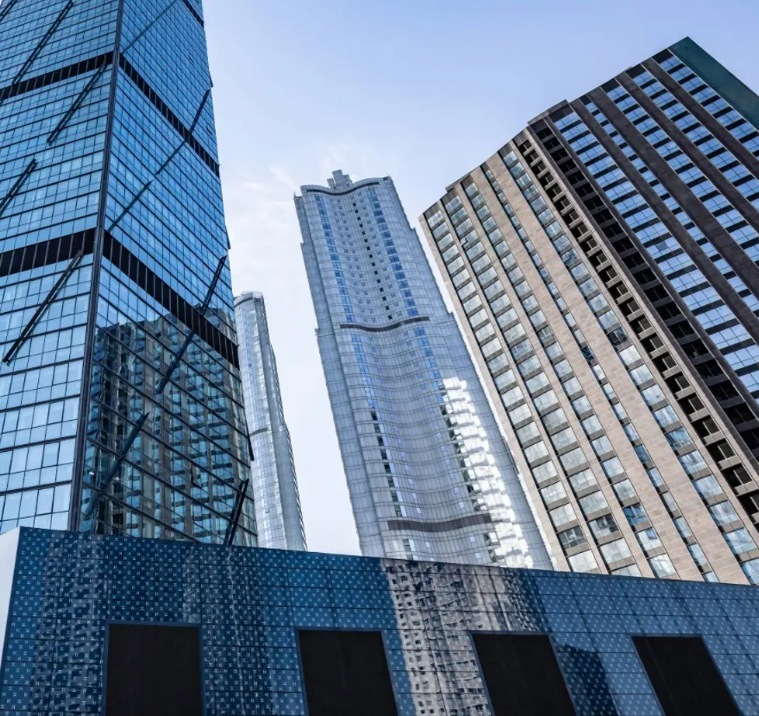
As the dust settles from the global pandemic, a new challenge emerges across America’s urban landscapes—empty office buildings. Despite calls from some large corporations to return to traditional office settings, remote work has firmly taken root, leaving vast office spaces vacant and real estate executives grappling with the fallout.


These vacant spaces are more than just a real estate issue; they represent a potential economic ripple effect. Many office buildings are financed through short-term loans from banks, and if real estate firms cannot generate rent from commercial tenants, the risk of loan defaults increases, posing a threat to the banking sector.


In a telling example, real estate company RXR defaulted on a $240 million bank loan for its office tower at 61 Broadway in New York City. With half of the building unoccupied, RXR’s CEO Scott Rechler noted the need to “face reality” in this post-COVID world of higher interest rates and changing work dynamics.


The Changing Landscape of Office Buildings


Office occupancy rates have plummeted to an all-time low, with over 95 million square feet of office space in New York City alone sitting empty—equivalent to 30 Empire State Buildings. This trend has forced landlords to confront the obsolescence of some properties, with office building values dropping by as much as 40% since the pandemic.


Real estate expert Stijn Van Nieuwerburgh from Columbia Business School describes the situation as a “train wreck in slow motion,” emphasizing that many tenants have yet to make decisions about their office space needs. The uncertainty continues to weigh heavily on the industry.


Refinancing Woes and the Banking Sector


Work-from-home trends have also impacted companies like SL Green Realty, New York’s largest office landlord. The assumption that commercial real estate loans could be easily refinanced is no longer valid. With interest rates at historic highs, $1.5 trillion in commercial real estate loans are set to expire within the next two years.


Van Nieuwerburgh highlights that smaller and medium-sized banks, heavily reliant on commercial real estate loans, face significant exposure. Office loan delinquency rates have quadrupled over the past year, yet banks remain hesitant to acknowledge these losses.


The “Urban Doom Loop”


This downturn in real estate, exacerbated by bad loans, threatens to affect banks and the broader economy, reminiscent of the 2008 financial crisis. As property values and tax revenues decline, local governments face budget shortfalls, impacting public services and prompting residents to leave cities.


According to Van Nieuwerburgh, the 10 largest U.S. cities have lost around 2 million residents in the past three years, shrinking their tax base and perpetuating what he terms an “urban doom loop.”


Innovative Solutions on the Horizon


Efforts to breathe new life into these empty office spaces are underway. Developers like Tony Park and Elad Dror of PD Properties are converting buildings into apartments, though zoning constraints limit such transformations. Their recent acquisition near New York City’s Penn Station for less than half the original offer exemplifies the potential for adaptive reuse.


Van Nieuwerburgh advocates for ambitious reimagining of office spaces, combining public and private resources to unlock new possibilities. As society embraces the idea that we no longer need to live where we work, the potential for transformation is vast.


For more details, read the original article on CBS News.


More Articles

Getting licensed or staying ahead in your career can be a journey—but it doesn’t have to be overwhelming. Grab your favorite coffee or tea, take a moment to relax, and browse through our articles. Whether you’re just starting out or renewing your expertise, we’ve got tips, insights, and advice to keep you moving forward. Here’s to your success—one sip and one step at a time!

Housing Market Momentum Builds Early in 2026

The 2026 housing market is off to a powerful start, with rising buyer activity, expanding inventory, and steady pricing creating one of the most balanced environments in years. Pending home sales and mortgage applications are climbing, inventory has reached 2.6 months of supply, and new listings continue to grow—all signaling renewed confidence and fresh opportunity for real estate professionals nationwide.

Investors Prepare for a High-Confidence 2026 as Commercial Real Estate Stabilizes

A wave of optimism is returning to U.S. commercial real estate heading into 2026, with 95% of investors planning to buy the same or more property than last year. Capital allocations are rising, Sun Belt cities continue to shine, and multifamily remains the top asset class. As pricing stabilizes and debt pressures ease, professionals across real estate and finance are entering a year defined by strategic growth and renewed opportunity.

Florida Homeowners Face Rising Insurance Costs Despite Promised Relief

Floridians were told insurance relief was on the way, but many homeowners are seeing the opposite as premiums continue to rise. Despite state leaders insisting the market is improving and insurers filing rate decreases, homeowners like Lisa Riggi say the real‑world impact tells a different story. Higher property valuations, inflation, and updated replacement‑cost calculations are driving premiums upward, leaving some families questioning whether they can afford to remain in Florida.

Where Did Our Parents’ Florida Go? How Paradise Became Pricier, Glossier, and Almost Unrecognizable

Florida once promised retirees sunshine, low costs, and a $20,000 condo by the pool. But in 2026, soaring insurance rates, rising taxes, shrinking affordable housing, and an influx of wealthier newcomers have transformed the state into a far more expensive version of the paradise our parents knew. From corporate buyouts of mobile home parks to multimillion‑dollar estates redefining the market, today’s Florida is a place of widening gaps, disappearing middle‑range homes, and a future that demands deeper pockets—and smarter market insight.

Mortgage Rates Hold Steady in the Low 6% Range as Buyers Gain Breathing Room

Mortgage rates continue easing into the low 6% range, giving buyers and real estate professionals a welcome boost in early February 2026. Softer labor market data and slipping Treasury yields are helping keep rates stable, with 30‑year fixed loans averaging around 6.26% and refinance rates also trending lower. While affordability remains tight, today’s calmer rate environment is opening doors for more buyers—and offers agents a clearer outlook as they guide clients through a still‑shifting market.

Commercial Real Estate Investors Gear Up for a Major Buying Surge in 2026

A new CBRE survey reveals that U.S. commercial real estate investors are preparing to ramp up acquisitions in 2026, signaling renewed confidence across the sector. Dallas leads the nation for the fifth straight year as the top investment market, followed by Atlanta and San Francisco. Florida markets like Miami and Tampa continue to rise, while cities such as Charlotte, Nashville, Seattle, and New York also attract strong investor attention. With activity heating up nationwide, 2026 is shaping into a powerful year for commercial real estate professionals.