Empty Office Buildings: A New Urban Challenge


As the dust settles from the global pandemic, a new challenge emerges across America’s urban landscapes—empty office buildings. Despite calls from some large corporations to return to traditional office settings, remote work has firmly taken root, leaving vast office spaces vacant and real estate executives grappling with the fallout.


These vacant spaces are more than just a real estate issue; they represent a potential economic ripple effect. Many office buildings are financed through short-term loans from banks, and if real estate firms cannot generate rent from commercial tenants, the risk of loan defaults increases, posing a threat to the banking sector.


In a telling example, real estate company RXR defaulted on a $240 million bank loan for its office tower at 61 Broadway in New York City. With half of the building unoccupied, RXR’s CEO Scott Rechler noted the need to “face reality” in this post-COVID world of higher interest rates and changing work dynamics.


The Changing Landscape of Office Buildings


Office occupancy rates have plummeted to an all-time low, with over 95 million square feet of office space in New York City alone sitting empty—equivalent to 30 Empire State Buildings. This trend has forced landlords to confront the obsolescence of some properties, with office building values dropping by as much as 40% since the pandemic.


Real estate expert Stijn Van Nieuwerburgh from Columbia Business School describes the situation as a “train wreck in slow motion,” emphasizing that many tenants have yet to make decisions about their office space needs. The uncertainty continues to weigh heavily on the industry.


Refinancing Woes and the Banking Sector


Work-from-home trends have also impacted companies like SL Green Realty, New York’s largest office landlord. The assumption that commercial real estate loans could be easily refinanced is no longer valid. With interest rates at historic highs, $1.5 trillion in commercial real estate loans are set to expire within the next two years.


Van Nieuwerburgh highlights that smaller and medium-sized banks, heavily reliant on commercial real estate loans, face significant exposure. Office loan delinquency rates have quadrupled over the past year, yet banks remain hesitant to acknowledge these losses.


The “Urban Doom Loop”


This downturn in real estate, exacerbated by bad loans, threatens to affect banks and the broader economy, reminiscent of the 2008 financial crisis. As property values and tax revenues decline, local governments face budget shortfalls, impacting public services and prompting residents to leave cities.


According to Van Nieuwerburgh, the 10 largest U.S. cities have lost around 2 million residents in the past three years, shrinking their tax base and perpetuating what he terms an “urban doom loop.”


Innovative Solutions on the Horizon


Efforts to breathe new life into these empty office spaces are underway. Developers like Tony Park and Elad Dror of PD Properties are converting buildings into apartments, though zoning constraints limit such transformations. Their recent acquisition near New York City’s Penn Station for less than half the original offer exemplifies the potential for adaptive reuse.


Van Nieuwerburgh advocates for ambitious reimagining of office spaces, combining public and private resources to unlock new possibilities. As society embraces the idea that we no longer need to live where we work, the potential for transformation is vast.


For more details, read the original article on CBS News.


More Articles

Getting licensed or staying ahead in your career can be a journey—but it doesn’t have to be overwhelming. Grab your favorite coffee or tea, take a moment to relax, and browse through our articles. Whether you’re just starting out or renewing your expertise, we’ve got tips, insights, and advice to keep you moving forward. Here’s to your success—one sip and one step at a time!

NAR’s New MLS Policy Changes Spark Immediate Legal Pushback in Michigan

Just 48 hours after NAR unveiled major revisions to its MLS policies, plaintiffs in the Michigan-based Hardy lawsuit moved to use those changes as evidence, arguing they prove NAR’s prior rules were anticompetitive. NAR denies any wrongdoing, but the case is quickly becoming a key test for whether MLS access should require Realtor membership — a question now echoing across multiple states and potentially reshaping how real estate professionals nationwide access the industry’s most essential tool.

Florida Homeowners Grapple With Soaring Insurance Costs as Lawmakers Push for Reform

Florida homeowners are now paying some of the highest insurance premiums in the country, with average costs topping $5,800 per year—nearly double the national average. Residents report skyrocketing rates, denied claims, and tough choices between costly coverage and financial risk. As frustration grows, lawmakers and consumer advocates are pushing new reforms aimed at increasing transparency, capping rate hikes, and protecting policyholders in one of the nation’s most volatile insurance markets.

Top 2026 Commercial Real Estate Issues Every Pro Should Be Watching

Economic uncertainty, rapid AI adoption, tighter capital flows, and rising portfolio risk are reshaping the 2026 commercial real estate landscape. From shifting workforce patterns to a national housing attainability crisis, the industry is entering a data‑driven, fundamentals‑focused era—making adaptability, education, and tech literacy essential for real estate professionals.

Mortgage Rates Rise as Markets Lose Faith in a December Fed Cut

Mortgage rates have climbed to 6.23 percent as investors grow doubtful that the Federal Reserve will deliver a rate cut in December. A soft but unclear jobs report and persistent inflation have pushed borrowing costs higher, reversing October’s brief relief in the housing market. Real estate and mortgage professionals should prepare clients for continued volatility as the Fed’s December meeting approaches.

Housing Market Poised for a Major 2026 Comeback: What Florida Pros Need to Know

After years of tight inventory, high mortgage rates, and sluggish sales, economists say 2026 is shaping up to be the turnaround real estate professionals have been waiting for. NAR projects a 14 percent jump in home sales, mortgage rates easing toward 6 percent, and buyer demand finally gaining momentum. While higher‑end homes are moving quickly, first‑time buyers continue to face affordability challenges, and price reductions are reappearing as sellers adjust to shifting conditions. For Florida agents, brokers, and newcomers, the stage is being set for a busy and opportunity‑rich year.

Florida Homeowners Hit With Record Insurance Costs as Lawmakers and Residents Demand Reform

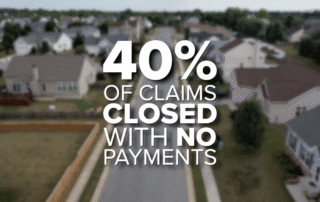
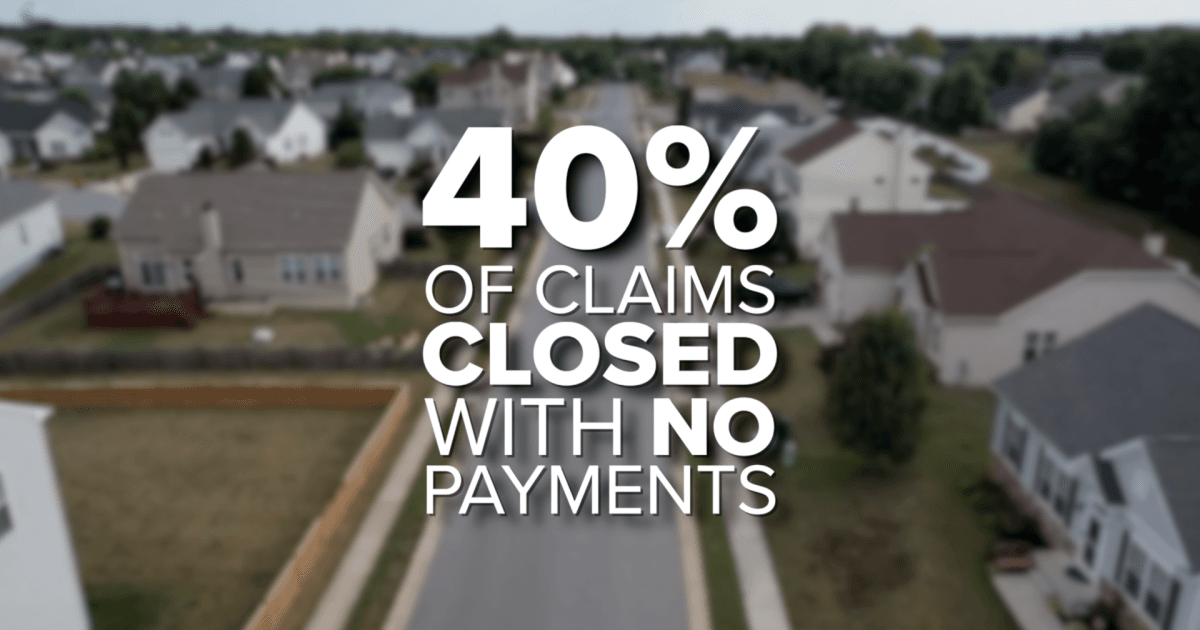
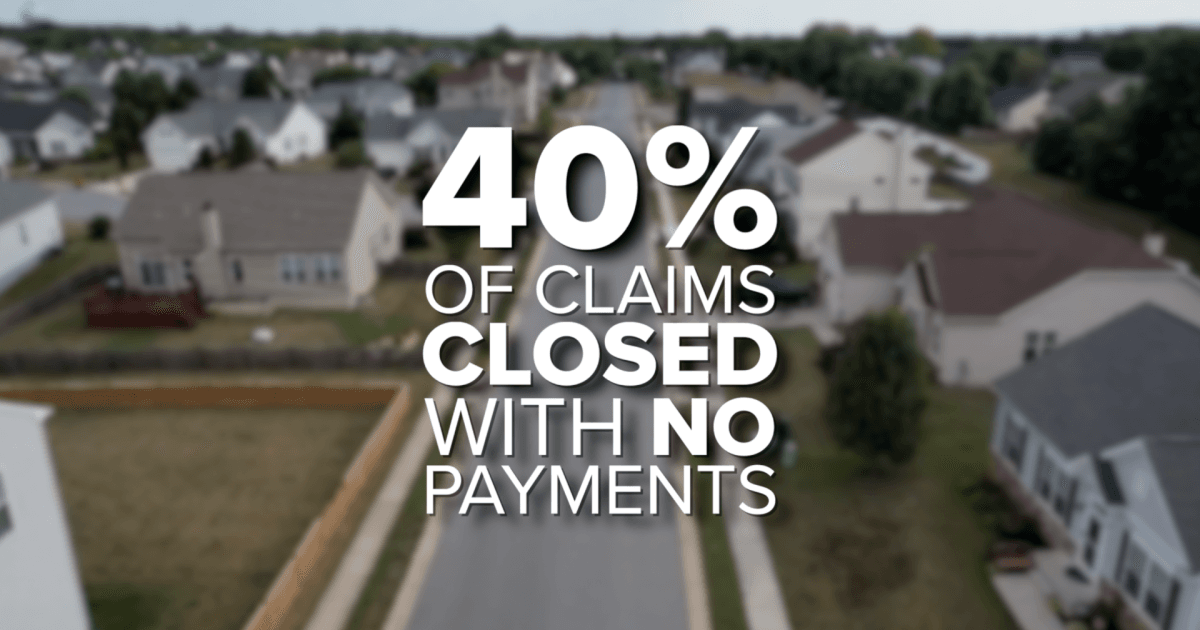
Florida’s average homeowner insurance premium has soared to $5,838 a year—almost $3,000 above the national average—pushing many residents to the financial brink. From tripled premiums to lowball claim payouts, homeowners are speaking out as frustration mounts. Some are even dropping coverage entirely. With more than 40% of claims closed without payment and policy cancellations at record levels, lawmakers are pushing for reforms, but political hurdles remain. The outcome could reshape Florida real estate, insurance, and mortgage markets for years to come.